.png)
Architecture firms don't lose profit on bad projects. They lose it on good ones.

For principals of architecture, engineering, and construction (AEC) firms, selling your business is more than a financial transaction—it's the culmination of your life’s work. The greatest fear isn’t getting a low price; it’s watching a new owner dismantle the reputation, culture, and quality standards you spent decades building. You worry that your name, still associated with the firm, will be tarnished by someone who doesn't share your vision.
This anxiety is rooted in a common misunderstanding of what legacy truly is. In the AEC world, your legacy isn't the name on the door; it's a business that delivers excellence without your daily intervention. To protect what you've built, you must first build a firm that can thrive without you. This is the foundation of a successful exit strategy that secures both your financial future and your professional reputation.
Table of Contents
• Redefining Legacy: Why Your Firm Must Outgrow You
• Three Strategic Pillars to Protect Your AEC Legacy
• Choosing the Right Transition Path for Continuity
Redefining Legacy: Why Your Firm Must Outgrow You
Many AEC owners believe their personal involvement is their firm's greatest asset. They are the lead designer, the primary client contact, and the final decision-maker. While this approach builds a strong portfolio, it creates a dangerous trap: Owner Dependency. If your firm cannot win projects, manage clients, and deliver high-quality results without you, you haven't built a sellable business. You've built a high-stakes job that no one can buy.
A true legacy is the institutionalized ability of your firm to deliver on its promises, independent of its founder. It's a system of technical standards, client trust, and team culture that operates seamlessly. This operational autonomy is what a strategic buyer is looking for. They aren't buying your personal talent; they are buying a well-oiled machine capable of generating predictable results. (Architectural firm)
The AEC Reputation Risk
Your firm's lifeblood is its project portfolio and the client relationships that fuel it. The fear that a buyer will "cut corners" to maximize profit is valid. A new owner might prioritize short-term gains over the long-term trust you’ve cultivated, potentially damaging your name in the industry for years to come. This is why shifting your perspective is critical. Instead of hoping a buyer will protect your legacy, you must build a firm where the systems themselves are the legacy.
Value Drivers That Secure Your Future
The most effective way to protect your firm’s culture and standards is to make them key value drivers. High-quality buyers are attracted to businesses with low risk and high predictability. When your technical processes are documented, your leadership team is empowered, and your client relationships are spread across multiple team members, you present an asset that is far more valuable and secure. Improving your firm's long-term value isn't just about the sale price; it's the ultimate form of legacy protection.
Three Strategic Pillars to Protect Your AEC Legacy
To transform your firm from a personal practice into a transferable asset, focus on three strategic pillars. These pillars systematically reduce owner dependency, minimize risk for a potential buyer, and embed your "DNA" into the company’s operational framework.
Pillar 1: Institutionalize Your Technical Standards.
Your unique approach to design, engineering, or construction must evolve from "your way" to "the firm's way." This means documenting key processes, creating standardized project delivery workflows, and training your team to execute consistently.
Pillar 2: Diversify Leadership and Client Contact.
If you are the only person your key clients trust, your firm’s value walks out the door with you. Systematically transfer relationships to other capable leaders in your firm. Empower them to manage projects and make decisions, ensuring clients trust the team, not just the principal.
Pillar 3: Optimize Performance and Revenue.
A profitable and efficient firm is a strong firm. It gives you the leverage to be selective and wait for the right buyer—one who appreciates the quality you've established and is willing to pay for it. Financial health is a direct indicator of operational strength.
Building a Business That Runs Without You
Detaching yourself from daily operations can feel daunting, but it’s a necessary step toward freedom. Start by identifying the top three decisions that only you currently make. Can you create a framework or set of principles that would allow a trusted team member to make those decisions 80% as well as you would? Begin delegating that authority. Each step you take in reducing owner dependency not only makes your life easier today but also dramatically increases the pool of potential buyers who will value your legacy tomorrow. (Firm Valuation and Profitability)
Standardizing the 'AEC Excellence' Framework
Create a "Playbook" that outlines your firm’s approach to everything from initial client meetings to final project closeouts. This document becomes a critical asset during a transition, assuring the new owner that the "secret sauce" of your success will remain. It's a tangible guide that demonstrates how excellence is achieved. Using a structured methodology like The Value Builder System™ can help you identify hidden operational weaknesses and systematically strengthen your firm’s structure, making it more resilient and sellable.
Choosing the Right Transition Path for Continuity
Once your firm is built to last, you can focus on finding the right successor. The path you choose—whether an internal transition to employees or an external sale to a strategic buyer—will have a massive impact on your legacy. While an internal sale can be a great way to reward loyal team members, it often yields a lower financial return. An external sale may bring a higher price, but it requires rigorous vetting to ensure cultural alignment.
Look beyond the purchase price. A buyer’s track record with previous acquisitions is one of the best predictors of how they will treat your team and your clients. The "Earn-Out" period, where a portion of the sale price is tied to the firm's future performance, can also serve as a legacy protection tool. It incentivizes the new owner to maintain stability and ensure a smooth handoff of key AEC accounts. Ultimately, preparing your firm for exit is your final act of leadership: setting up the next generation to carry the torch successfully.
Vetting the Buyer's Intentions
During negotiations, don’t be afraid to ask tough questions that reveal a buyer's true intentions. A serious buyer who values your legacy will have thoughtful answers. Consider asking:
• What is your strategic plan for our key employees during the first year post-acquisition?
• How do you plan to maintain, and invest in, the project quality standards that our clients expect?
• Can you provide an example of a previous acquisition and describe how you integrated their team and protected their company culture?
Your Next Chapter: Financial and Personal Freedom
The goal of this entire process is to achieve a successful exit that provides you with the resources and peace of mind to enjoy your next chapter. When you know the firm you built is in good hands and your reputation is secure, you gain true freedom. It’s the freedom to travel, to mentor, or to start something new, unburdened by worries about the future of your life's work. The first step is understanding how ready your firm is today. Taking the Value Builder Assessment can provide a clear, objective look at your firm's current strengths and weaknesses, giving you a roadmap for securing your legacy.
Protecting your legacy is not a passive hope; it is an active, strategic process. By building a business that can outgrow you, you create an enduring asset that honors your work and provides you with the freedom you've earned.
[Discover how to build a firm that thrives without you—Request a Strategic Planning Session today.](https://www.significantbusinessresults.com/coaching#aec)
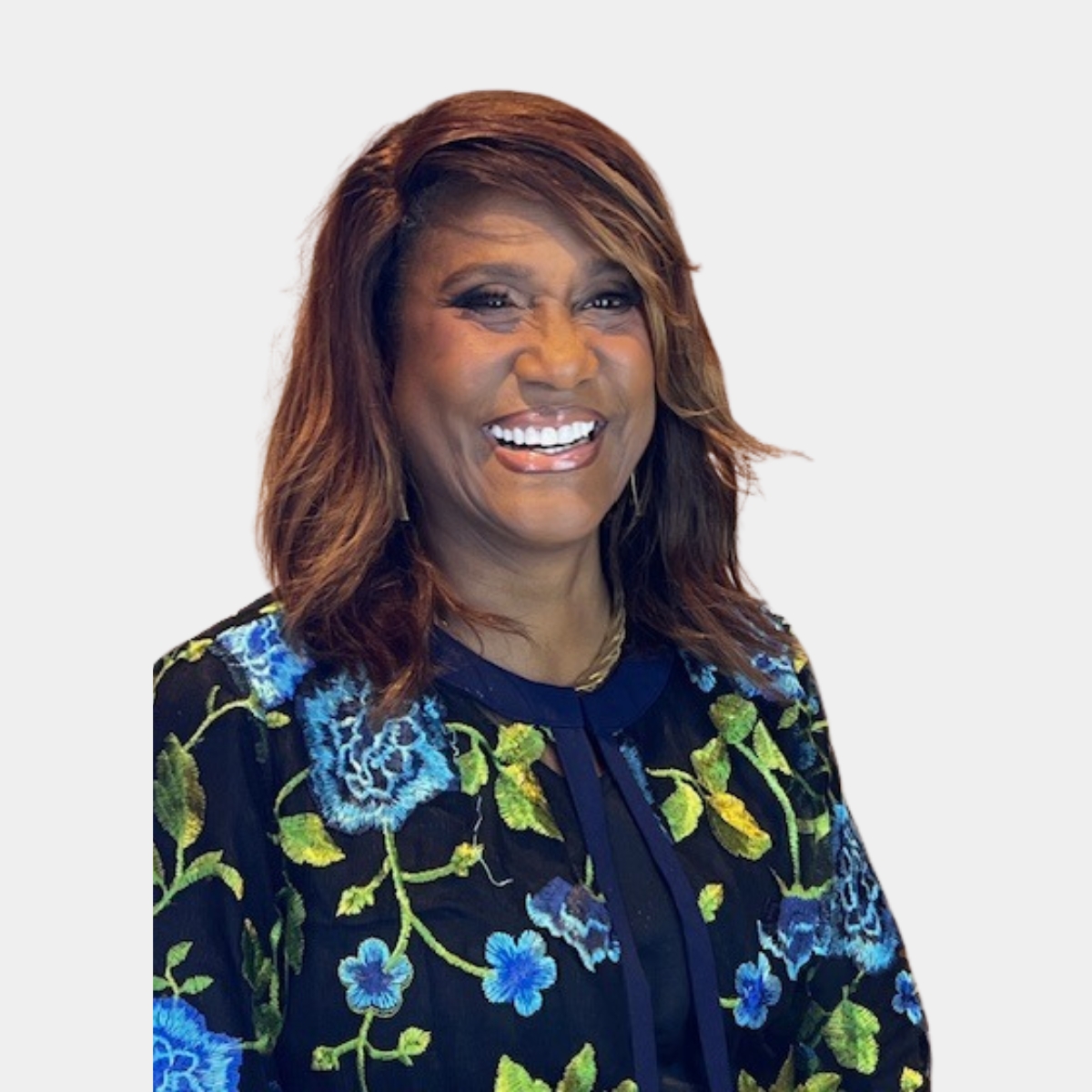
Article by
Franne McNeal
Franne McNeal, President, Significant Business Results LLC has helped 885+ small business owners collectively create 15,000 jobs and nearly $11 billion in revenue. We help architecture, engineering, and construction industry business owners with $1M-$20M in annual revenue, improve revenue, performance and long-term value. We help owners build a business that runs without them & create financial & personal freedom. Our clients focus their energy for action to achieve significant business results.