.png)
Construction business succession planning: Building a firm that outlasts your leadership

Table of Contents
• Beyond the Hard Hat: Why Construction Succession Fails Without Operational Independence
• Building a Sellable Asset: Applying the 8 Drivers of Company Value
• Executing the Transition: Shifting from Principal to Strategic Advisor
Beyond the Hard Hat: Why Construction Succession Fails Without Operational Independence
For many principals in the architecture, engineering, and construction (AEC) industries, construction business succession planning feels like a distant, abstract task—something to address years from now. The reality is that effective succession planning is not a legal event; it is the strategic process of building a firm that can thrive without your daily intervention. It is the critical shift from being the primary doer to becoming a strategic guide.
Firms with revenues between $1 million and $20 million often fall into the "Owner Trap." In this scenario, the owner is the central hub for project delivery, client relationships, and critical decisions. While this hands-on approach builds the business, it simultaneously erodes its long-term value. A company that relies on one person's skills and relationships is not a sellable asset; it is a high-stress job. (Succession planning)
This dependency creates significant risks. Potential buyers, whether internal successors or external firms, will devalue a business that cannot function without its founder. Furthermore, leadership instability can jeopardize crucial relationships with surety bond providers and banks, who rely on operational consistency to underwrite risk.
Identifying and Removing Bottlenecks
The first step toward building a transferable asset is to honestly assess your own role. Audit your daily tasks and identify where your personal involvement creates a single point of failure. If a key client would leave or a project would stall because you took a month-long vacation, you have identified a critical bottleneck. The goal is to transform the business from a reflection of your personal expertise into a system-driven operation.
This transformation requires moving from "tribal knowledge"—where processes exist only in the minds of key individuals—to documented Standard Operating Procedures (SOPs). When your project management, bidding, and client communication processes are clearly defined, they become teachable, repeatable, and scalable. This not only creates immediate operational efficiency but also demonstrates to a future owner that the firm’s success is built into its DNA, not tied to a single individual. For a deeper look at this process, explore how to start reducing owner dependency in your firm.
Building a Sellable Asset: Applying the 8 Drivers of Company Value
To systematically increase your firm's value and readiness for a transition, you need a proven framework. The Value Builder System™ provides a comprehensive methodology based on 8 Key Drivers that influence what a buyer is willing to pay for your business. By focusing on these non-financial metrics, you can benchmark your exit readiness and build a company that is attractive to acquirers.
Several drivers are particularly critical for AEC firms: (construction industry succession planning)
The Hub & Spoke
This directly addresses the Owner Trap. A business that requires you to be the center of every decision is difficult to sell. Strengthening your management team and empowering them to operate autonomously is essential for proving the company can run without you.
Recurring Revenue
The project-based nature of construction can create unpredictable cash flow. Buyers pay a premium for stability. Implementing maintenance contracts, long-term service agreements, or phased retainer-based consulting can create a predictable revenue stream that significantly enhances your firm's valuation.
Monopoly Control
How well are you differentiated from competitors? If you compete solely on price, your margins and value suffer. Developing a unique specialization, a proprietary process, or an unparalleled reputation in a niche market allows you to command higher prices and creates a defensible market position.
Optimizing Your Firm's Structure and Performance
Beyond these drivers, it is vital to de-risk your operations. The "Switzerland Structure" driver measures your dependency on any single employee, customer, or supplier. If more than 15% of your revenue comes from one client, or if one superstar project manager holds all the key relationships, your firm is vulnerable. Diversifying your client base and cross-training your team builds a more resilient and valuable company.
Improving your performance across these 8 drivers directly correlates with receiving higher multiple offers upon exit. The first step is understanding where you stand today. By getting your Value Builder Score, you can get an objective assessment of your company's sellability and identify the most critical areas for improvement. For a detailed breakdown of each metric, you can also download the 8 Key Drivers of Company Value Ebook.
Executing the Transition: Shifting from Principal to Strategic Advisor
With a valuable, system-driven firm in place, the final phase of succession planning is executing the leadership transition. This involves making a critical choice between an internal transition—selling to employees or family—and an external sale to a strategic competitor or private equity firm. Each path has distinct advantages and requires a different preparation strategy.
Regardless of the path you choose, the transition is a multi-year process, not an overnight event. A practical 24-to-36-month roadmap is essential for methodically stepping back from daily operations. This timeline should include milestones for delegating responsibilities, transferring client relationships, and empowering your successor(s) to lead.
Your ultimate goal is to evolve your role from the hands-on Principal to a high-level Chairman or Strategic Advisor. This allows you to protect your legacy and maintain influence without carrying the burden of operational management, giving you the personal and financial freedom you have worked to achieve.
Grooming the Next Generation of AEC Leaders
A successful transition hinges on the readiness of your successors. Technical expertise in architecture, engineering, or construction does not automatically translate into strategic business leadership. The next generation needs to be intentionally developed to handle finance, business development, and team management.
This is where targeted development becomes crucial. Executive Leadership Coaching can bridge the gap between technical skill and executive capability, preparing your future leaders to take the helm with confidence. The transition is not just about your exit; it's about ensuring the firm you built continues to thrive long after you've stepped away.
To gauge your firm's readiness, perform a simple "Stress Test": could the business operate for 30 days without you answering a single email or phone call? If the answer is no, it is time to begin the strategic work of building a company that will outlast your leadership.
[Take the first step toward freedom: Get your Value Builder Score today.](https://www.significantbusinessresults.com/assessments#value-builder-score)
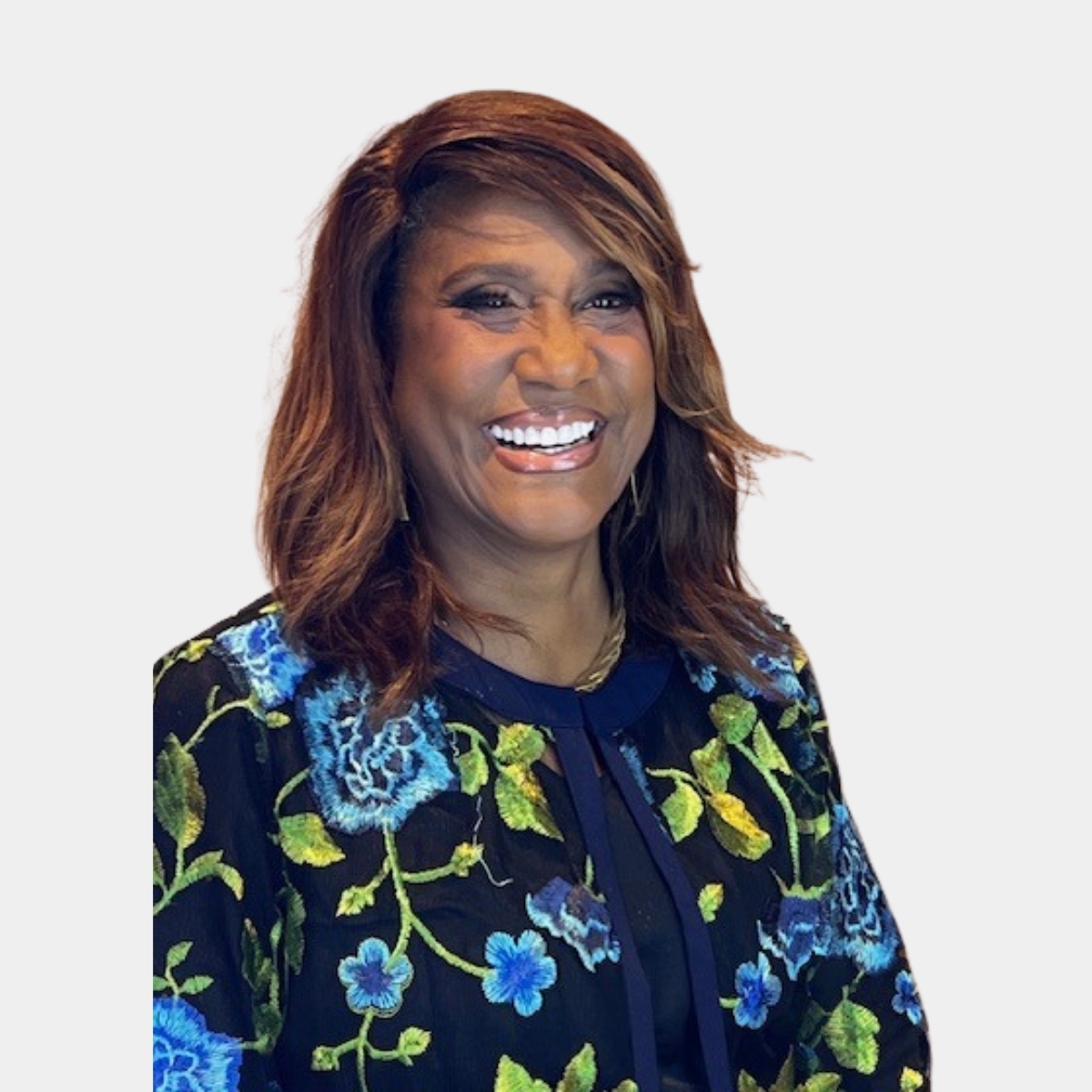
Article by
Franne McNeal
Franne McNeal, President, Significant Business Results LLC has helped 885+ small business owners collectively create 15,000 jobs and nearly $11 billion in revenue. We help architecture, engineering, and construction industry business owners with $1M-$20M in annual revenue, improve revenue, performance and long-term value. We help owners build a business that runs without them & create financial & personal freedom. Our clients focus their energy for action to achieve significant business results.