.png)
Construction firm owners: Where does most of your profit go?

For many construction firm owners, the end of a high-revenue year can be frustrating. The profit and loss statement shows impressive numbers, but your personal financial freedom feels distant. You’re working harder than ever, managing bigger projects and larger teams, yet the profit seems to evaporate between the top line and your bank account. If you’re wondering why millions in revenue aren’t translating into the wealth and independence you expected, the answer likely isn’t found in your overhead costs or project margins.
The real culprits are often invisible—strategic risks that silently drain your firm’s value and profitability. These "profit leaks" stem from how your business operates, not just how much it spends. They are the hidden costs of owner dependency and high-risk revenue that keep you trapped in the daily grind, unable to build a truly valuable asset.
Table of Contents
• Beyond Overhead: The Invisible Costs of High-Risk Revenue
• How to Mitigate Client Concentration Risk in 4 Steps
• Transitioning from Owner-Led to Value-Driven Operations
Beyond Overhead: The Invisible Costs of High-Risk Revenue
In the architecture, engineering, and construction (AEC) industry, not all revenue is created equal. Some income, while boosting your P&L, actively lowers your firm’s overall value. We call this "High-Risk Revenue." It’s the income that makes you dependent on a single client, a single project type, or your personal involvement to secure and deliver work. Chasing volume over sustainable, high-quality projects is a common trap that leads to significant leadership challenges and diminishing returns.
These challenges create hidden profit leaks. Think of it as a pyramid. At the top are the visible symptoms, like a lack of documented systems. But the foundation of the problem is deeper. The middle layer is Client Concentration, and the base—the most significant risk—is Owner Dependency. When the business can’t function without you, every bottleneck, delay, and client demand costs you money and, more importantly, erodes your company's potential sale price. (Construction management)
Actionable Tip: Take an hour to calculate your actual profit per client for the last year. Factor in not just direct costs, but also the time you and your key team members spent managing the relationship. You may be surprised to find your most "lucrative" clients are actually your least profitable.
The Trap of the "Big Client"
Landing a major client feels like a huge win, but over-reliance on one or two key accounts is one of the fastest ways to lose control of your profit. When a single client represents more than 15% of your total revenue, they hold immense power over your cash flow, your schedule, and your margins. This is the risk of client concentration.
This often leads to the "bully effect." A large client knows you can’t afford to lose them, so they may demand lower margins, extended payment terms, and an unreasonable amount of your personal time. You find yourself making concessions you wouldn't for smaller clients, all while your profit margin shrinks. This single point of failure makes your business fragile and less attractive to potential buyers.
Why Your Presence Is Costing You Money
The second, and more fundamental, profit leak is your own indispensability. If you are the primary salesperson, project manager, and chief problem-solver, you are the central bottleneck in your own company. Every decision that waits for your approval slows down operations and costs money. This direct link between owner dependency and lower profit margins is a critical concept many AEC leaders overlook. The more a business relies on its owner, the less valuable it becomes.
A business that cannot run without you isn't a sellable asset; it's a high-stress job. To understand and quantify these risks within your firm, you can measure them. The Value Builder Score is a powerful assessment that evaluates your business across eight key drivers of company value, revealing exactly where dependencies are costing you the most.
How to Mitigate Client Concentration Risk in 4 Steps
Breaking free from high-risk revenue requires a deliberate, strategic approach. Instead of reacting to the next big opportunity, you can proactively build a more balanced and resilient client base. Here is a four-step framework to regain control and protect your profits.
Conduct a Revenue Audit.
The first step is to get a clear picture of your risk. Analyze your revenue from the past 24 months and identify every client that accounts for 10% or more of your annual income. This simple exercise will immediately highlight which relationships hold too much power over your financial stability.
Implement a "Target Client Profile."
Once you know where your risk lies, you can define the type of clients you want to attract. A Target Client Profile is a detailed description of an ideal customer—one who values your expertise, respects your margins, and fits your operational model. This allows you to "broaden" your client base by finding more of the right clients, rather than just "deepening" your dependency on a few existing ones.
Productize Your Services.
Construction and design services are often highly customized, leading to long sales cycles and complex proposals. "Productizing" means creating standardized, repeatable service packages with clear scope and pricing. This makes it easier for new, ideal clients to understand your value and buy from you quickly, reducing the reliance on lengthy, owner-led negotiations.
Build a Dedicated Sales Process.
If your firm's growth depends entirely on your personal network, you are the bottleneck. To truly scale, you must build a sales and marketing system that functions independently of you. This involves documenting your process, training team members, and investing in marketing that attracts your target clients systematically.
These steps are designed to shift your business from a reactive to a proactive growth model. To analyze these risks in greater detail, a comprehensive guide like the 8 Key Drivers of Company Value eBook provides a deeper framework for building a more resilient and valuable firm. (Construction Accounting and Financial Management)
Transitioning from Owner-Led to Value-Driven Operations
Ultimately, the most effective way to protect your profit is to build a business that doesn't need you. A company that runs on efficient systems, a strong leadership team, and a diverse client base is not only more profitable but also significantly more valuable. This transition from an owner-led firm to a value-driven operation is the path to true financial and personal freedom.
When a potential buyer evaluates your AEC firm, they aren't just looking at your revenue; they are assessing its risk. A business heavily dependent on its owner is a risky acquisition. Buyers will apply a lower "multiple" to your earnings, drastically reducing the final sale price. Conversely, a company with diversified revenue and documented processes that runs smoothly without you is a prime asset. It commands a much higher multiple because the profits are secure and repeatable.
This is where the principles of reducing owner dependency directly translate into long-term wealth. By focusing on building a self-sustaining organization, you are not just increasing annual profits—you are multiplying the ultimate value of your life's work.
Building Long-Term Value in Your Firm
Making this shift is not intuitive; it requires a new mindset and a proven framework. This is why specialized AEC business coaching is fundamentally different from general consulting. It focuses on the unique challenges of project-based firms and provides a structured path for principals to evolve from hands-on managers to strategic leaders. Engaging with peers in a mastermind setting or through one-on-one coaching helps you implement systems that align your team around strategic goals, freeing you to work on the business, not just in it.
Your Next Steps Toward Freedom
Your profit isn’t disappearing because of material costs or labor rates alone. It’s leaking through the strategic cracks in your business model: your reliance on a few big clients and your own indispensable role in daily operations. To stop the leaks, you must shift your focus from being the primary firefighter to becoming the chief architect of your business.
The first step is gaining clarity on where your firm stands today. By identifying the specific risks and value drivers unique to your business, you can create a clear roadmap toward greater profitability, stability, and freedom.
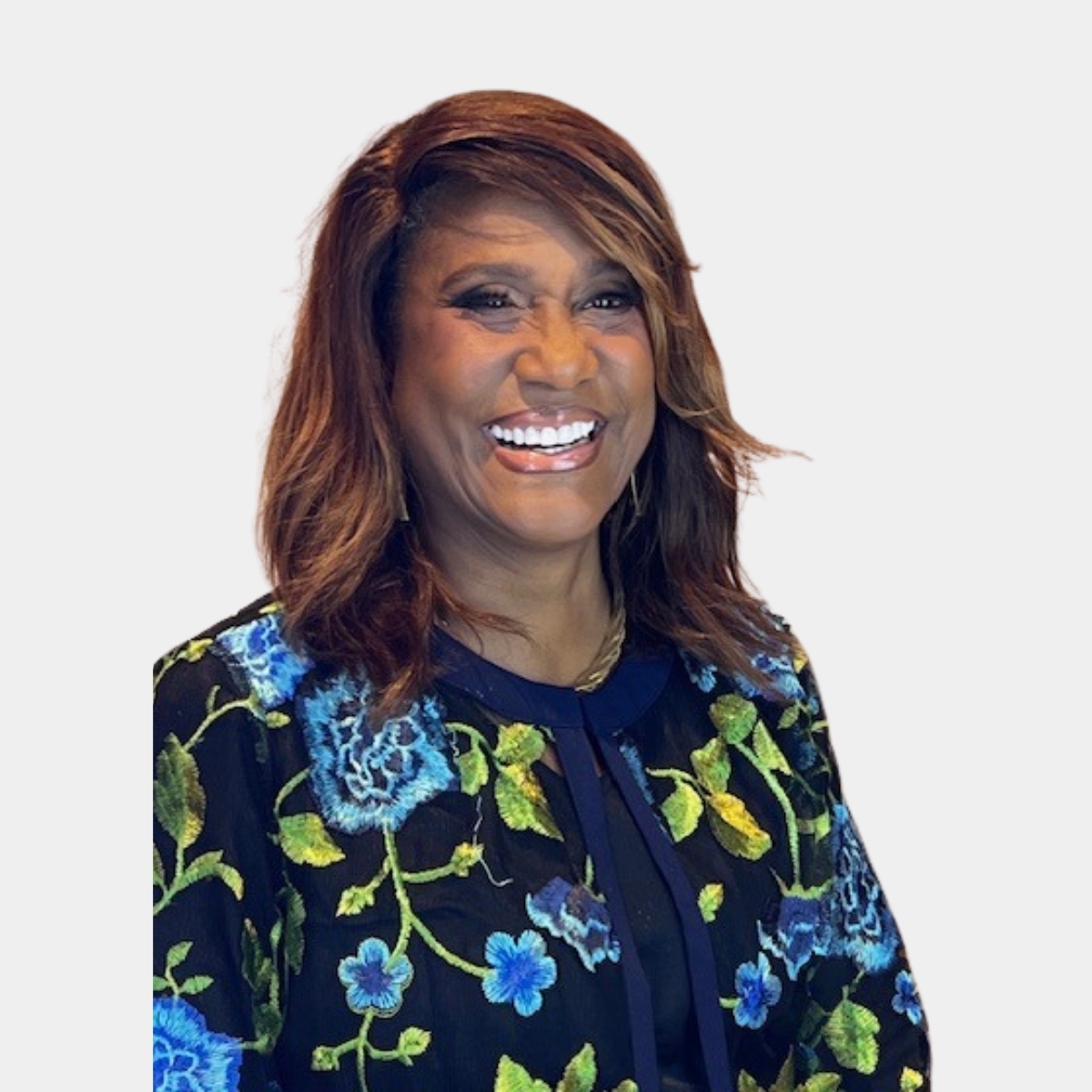
Article by
Franne McNeal
Franne McNeal, President, Significant Business Results LLC has helped 885+ small business owners collectively create 15,000 jobs and nearly $11 billion in revenue. We help architecture, engineering, and construction industry business owners with $1M-$20M in annual revenue, improve revenue, performance and long-term value. We help owners build a business that runs without them & create financial & personal freedom. Our clients focus their energy for action to achieve significant business results.