.png)
Finding skilled Construction labor is hard. Keeping it is harder. Losing it at the wrong moment is a business risk.

Table of Contents
• The Strategic Impact of Labor Volatility in the AEC Sector
• Mitigating Talent Dependency Through the 8-Pillar Framework
• Building an Enduring Asset That Operates Independently
The Strategic Impact of Labor Volatility in the AEC Sector
In the architecture, engineering, and construction (AEC) industry, the common refrain is that finding skilled labor is difficult. This is an undeniable truth. But the more dangerous reality is that keeping that talent is even harder, and losing it at the wrong moment is a catastrophic business risk. When a key project manager, senior engineer, or site supervisor walks out during a critical project phase or, worse, during a business sale negotiation, the fallout extends far beyond temporary disruption. It exposes a fundamental flaw in the business's structure.
This is the difference between relying on task-level expertise—the specific skills of an individual—and building a systemic operational capability. The former is fragile and dependent on people who can leave at any time. The latter is a durable asset owned by the company itself. For AEC firms already grappling with low margins and intense price pressure, labor shortages don't just create project delays; they amplify these existing pain points, making the business more volatile and less valuable.
The Cost of Indispensable People
When operational knowledge is concentrated in a few key individuals, the hidden costs are substantial. Every time your "go-to" person is on vacation, sick, or simply unavailable, decisions stall and progress halts. When they leave for good, the costs multiply. Rework from less-experienced replacements, project slippage due to lost institutional knowledge, and damaged client relationships become immediate, tangible expenses. This is the essence of "Key Person Risk," a factor that significantly devalues a business in the eyes of a potential buyer. Acquirers are not interested in buying a collection of indispensable employees; they are investing in a resilient, self-sustaining operation.
Why Recruitment Alone Cannot Fix a Structural Flaw
Many owners believe the solution to labor dependency is simply to hire more people. However, adding more staff to a broken, owner-dependent system only increases chaos and overhead. If every critical decision still flows through you or a single senior manager, you haven't solved the dependency issue—you've merely added more lines of communication to the bottleneck. The strategic alternative is to build a business that attracts top talent because it offers clarity, autonomy, and growth. This begins by creating a system where roles are clearly defined and processes are so well-documented that the company's success doesn't hinge on any single person's memory or unique skill set.
Mitigating Talent Dependency Through the 8-Pillar Framework
The transition from a fragile, people-dependent firm to a resilient, systems-driven asset is not accidental. It requires a structured approach. The Value Builder System™ offers a proven methodology, The 8-Pillar Framework, designed to increase a company's value by an average of 71%. By strengthening these eight core areas, you systematically reduce risk and build a business that can thrive independently of its owner. Two pillars are especially critical for solving the AEC industry's labor-dependency crisis: The Hub and Spoke and The Instruction Manual.
The Hub and Spoke Pillar
This metric assesses whether your business revolves entirely around you (the hub) or a few key employees. If every client call, major decision, and operational approval must pass through a central figure, your company is highly vulnerable.
The Instruction Manual Pillar
This pillar evaluates how well your company's critical processes are documented. A business with a strong "Instruction Manual" can deliver its product or service consistently, regardless of who is performing the task. It owns its operations.
These pillars are connected to a core business principle known as The Valuation Teeter-Totter. On one side, you have factors that make your business attractive to a buyer, like recurring revenue and a strong management team. On the other, you have dependencies—like reliance on a key employee or the owner—that increase risk. Reducing your Hub and Spoke score and building your Instruction Manual directly lowers this risk, increasing your firm's cash flow and overall value.
Eliminating the Hub-and-Spoke Trap
For AEC owners, breaking the Hub-and-Spoke model means intentionally distributing decision-making authority. It requires empowering a leadership team to manage projects, client relationships, and financial oversight without your constant intervention. This isn't just about delegation; it's about building a culture of ownership where your team is equipped and trusted to execute the company's vision. A crucial first step is to understand just how dependent your business currently is.
To benchmark your firm's dependency and identify areas of risk, you can start with a confidential assessment. Knowing your score provides a clear, objective starting point for building a more independent and valuable company. Find out how your business measures up.
Take the Value Builder Score Assessment to see how your AEC firm ranks today.
Creating the Instruction Manual for Operations
A truly sellable business is one where the processes are owned by the company, not held captive in the minds of its employees. For an architecture or engineering firm, this means documenting everything from the client intake process and design standards to project management workflows and quality control checks. When these procedures are clearly written down and consistently followed, you ensure uniformity in quality and efficiency. This "Instruction Manual" makes new team members productive faster, reduces errors, and proves to a potential buyer that the company's performance is repeatable and not reliant on a few "superstars." For more on building a valuable, systems-driven company, download our complimentary eBook.
Download the 8 Key Drivers of Company Value eBook.
Building an Enduring Asset That Operates Independently
The ultimate goal for any AEC business owner is to transition from being an "Indispensable Operator" to an "Intentional Builder." An operator is trapped in the daily chaos, putting out fires and managing every detail. A builder focuses on creating the systems, team, and culture that allow the business to grow and function without them. This mindset shift is often the most challenging part of the journey. It requires letting go of control and trusting the systems you've built, a process that can be accelerated with expert guidance like executive leadership coaching, which helps reorient an owner's focus from daily tasks to long-term strategy.
When your business can run smoothly without your constant involvement, you achieve the ultimate form of financial and personal freedom. It becomes a valuable, tradable asset, not just a high-stress job.
Preparing for a Successful Exit or Transition
Whether you plan to sell to an external buyer, transition to family, or sell to your employees, the preparation is the same. Exit planning should begin years before you intend to leave. The primary objective is to de-risk the business for a future owner. By proving that your firm's revenue and profits are not dependent on your personal relationships or operational involvement, you dramatically increase its market value. A well-documented, system-run business offers a buyer a turnkey operation with predictable cash flow, making it a far more attractive acquisition. For a deeper look into this process, explore our guide on construction company succession planning.
Designing Your AEC Firm for Growth and Stability
The path away from owner dependency is paved with strategic planning. By implementing structured planning sessions with your leadership team, you can align everyone on key performance indicators (KPIs), financial targets, and operational priorities. This creates a culture of accountability and shared purpose. It moves your company from a reactive state, constantly buffeted by labor issues and market pressures, to a proactive organization designed for stability and scalable growth.
If you are ready to move away from the chaos of daily operations and toward building a structured, high-value asset, the time to start is now. A systematic approach can transform your business and secure your freedom.
For personalized guidance on implementing these strategies in your firm, learn more about Significant Business Results coaching for AEC firms.
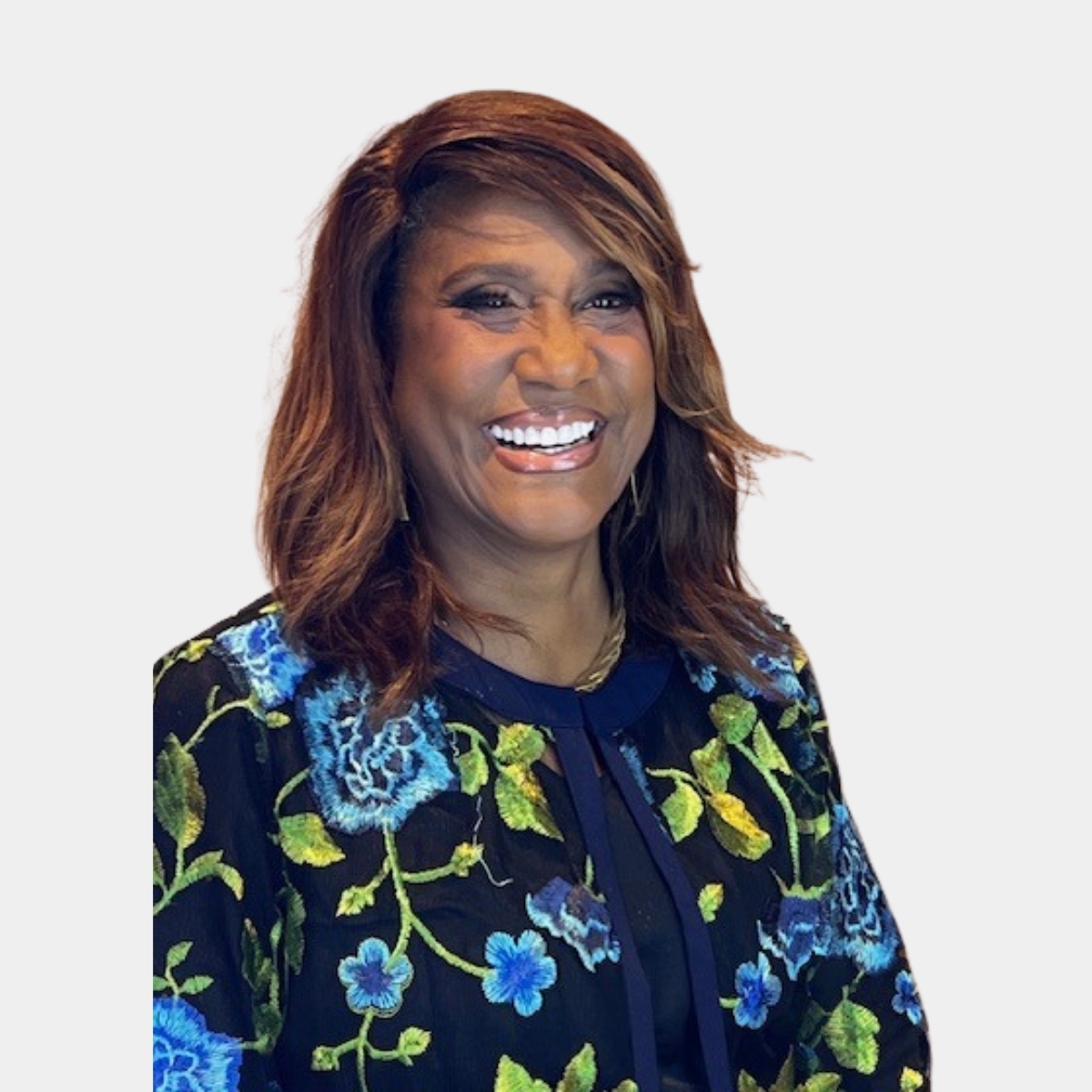
Article by
Franne McNeal
Franne McNeal, President, Significant Business Results LLC has helped 885+ small business owners collectively create 15,000 jobs and nearly $11 billion in revenue. We help architecture, engineering, and construction industry business owners with $1M-$20M in annual revenue, transform founder-dependent businesses into scalable, high-value enterprises. We solve the problems of low margins, inconsistent revenue and pressure to lower prices, by helping clients create a business that is an asset (one that runs without them), based on a proven system 8-pillar framework to increase the value of a business by 71%. We empower owners to move from being indispensable operators to intentional builders of enduring businesses, so they create financial & personal freedom. Our clients focus their energy for action to achieve significant business results.