.png)
How to scale a Construction business: A strategic framework for AEC owners

For many successful construction business owners, reaching the $5M-$10M revenue mark feels less like a victory and more like a trap. The very drive and expertise that built your firm now threaten to become its biggest bottleneck. Every major decision, client relationship, and job site crisis lands on your desk, leaving you with high revenue but inconsistent profits and mounting burnout. The core question becomes: How do you grow your construction firm without it demanding more of your personal time and energy?
The answer lies in a strategic shift away from simple growth and toward sustainable scaling. This framework is designed for Architecture, Engineering, and Construction (AEC) owners who want to build a self-sustaining business—one that delivers significant results, long-term value, and ultimately, personal freedom.
Table of Contents
• Transitioning from Linear Growth to Sustainable Scaling
• Implementing Systems for Operational Autonomy
• Protecting Your Legacy Through Strategic Value Building
Transitioning from Linear Growth to Sustainable Scaling
In the AEC industry, it's easy to confuse growth with scaling, but they are fundamentally different. Growth means adding resources to increase revenue—more people, more trucks, more bids. This linear approach often leads to a "Growth Plateau," where your personal capacity becomes the company's ceiling. Every dollar of new revenue requires a proportional increase in costs and owner involvement.
Scaling, however, means increasing revenue while resource intensity stays the same or even decreases. It’s about building systems, processes, and a leadership team that can generate results independent of your direct effort. This is the only path to breaking through the plateau and building a business with significant enterprise value. Enterprise value is the price a buyer pays for your systems, not your skills. (sustainable scaling)
Defining Your Core Value Drivers
To begin scaling, you must first diagnose where your business is truly dependent on you. Frameworks like The Value Builder System™ are designed to identify hidden bottlenecks in your operations. One of the most critical drivers for AEC owners to measure is the "Hub and Spoke." If you are the hub and every major function—from sales to project management—is a spoke that connects directly to you, your business is difficult to scale and nearly impossible to sell.
The first step is to objectively assess how much your business relies on you. Only then can you create a strategic plan to systematically remove yourself from the center of day-to-day operations.
Escaping the Hero Business Owner Trap
Many construction owners operate as the "chief problem solver." Your technical expertise is a major asset, but when you’re the hero on every job site, you unintentionally train your team to wait for your direction. Escaping this trap requires a significant psychological shift. You must transition from a tactical manager who solves today's problems to a strategic leader who builds the systems that prevent tomorrow's crises.
This means letting go, trusting your team, and accepting that their solutions might be different from yours—but just as effective. This shift is one of the most challenging aspects of scaling, but it is essential for reducing owner dependency and creating true autonomy.
Implementing Systems for Operational Autonomy
Once you’ve committed to the strategic mindset of scaling, the next phase is building the operational scaffolding that allows your business to run without you. This involves standardizing your processes, leveraging technology, and developing a high-performance leadership team. The goal is to create a culture that prioritizes measurable outcomes over manual effort, allowing you to maintain quality and control without constant micromanagement.
Productizing Your Construction Services
While every construction project is unique, the processes behind them don't have to be. "Productizing" your services means turning your custom approach into a standardized, repeatable system that your team can execute consistently. This is achieved by developing and documenting Standard Operating Procedures (SOPs) for everything from bidding and pre-construction to project execution and closeout.
Well-defined SOPs are your quality control mechanism during rapid growth. They ensure every client receives the same high-quality experience, regardless of which project manager is leading the job. This standardization is directly linked to improved revenue and performance because it creates efficiency and predictability.
Developing a High-Performance Leadership Team
You cannot scale alone. The ultimate goal is to build a leadership team that can replace your key operational functions. Start by identifying the most critical roles you currently fill—are you the lead salesperson, the head of operations, or the chief financial strategist? Then, begin hiring or developing talent to take over these responsibilities.
Fostering true leadership requires more than just delegation; it requires empowerment. This can be accelerated through structured programs like executive coaching and strategic planning. By implementing a clear decision-making framework, you empower your mid-level managers to make confident choices, freeing you to focus on the high-level vision for the company.
Protecting Your Legacy Through Strategic Value Building
True scaling is not just about making more money this year; it's about building an asset that has long-term, transferable value. Every system you build and every dependency you remove directly increases your company's worth to a potential buyer, whether that's family, employees, or an external party. How you scale today determines the significant results you can achieve in a high-value exit tomorrow.
Optimizing Revenue Quality and Cash Flow
Not all revenue is created equal. A key part of scaling is shifting your focus from one-off, low-margin projects to higher-quality revenue streams. This could mean pursuing recurring service contracts, specializing in a high-margin niche, or developing long-term client relationships that provide predictable work.
It's also crucial to build a resilient financial structure. A core principle for this is "The Switzerland Structure"—ensuring no single client, employee, or supplier makes up more than 15% of your business. This diversification reduces risk and makes your company far more attractive to a potential acquirer. A comprehensive roadmap for building this kind of financial health can be found in the 8 Key Drivers of Company Value.
Creating Your Strategic Scaling Roadmap
Scaling a construction business is a multi-year journey, not an overnight fix. It requires a clear and actionable roadmap with measurable outcomes for the next 12-36 months. This plan should detail your key initiatives, from implementing new software to developing your next project manager.
Navigating this journey can be isolating, which is why many successful owners turn to peer learning in strategic mastermind groups. Sharing challenges and solutions with other AEC owners on the same path provides invaluable perspective and accountability.
Actionable Tip: Schedule a full "Strategy Day" away from the office with your key leaders. The sole purpose is to step back from daily operations and work on the business, not just in it. Use this time to define your vision for a scaled company and identify the first three steps to get there.
Are you ready to stop being the hero and start being the architect of a self-sustaining business? The first step is to get a clear, objective look at where your business stands today. Take the Value Builder Score assessment to identify your scaling roadblocks.
Frequently Asked Questions (FAQs)
How do I know if my construction business is ready to scale?
Your business is ready to scale when you have consistent demand, positive cash flow, and proven processes for delivering quality work. The key indicator, however, is your own readiness to shift from being the primary doer to the strategic leader who builds systems and develops people.
What is the most common mistake AEC owners make when trying to grow?
The most common mistake is pursuing revenue growth without building the operational infrastructure to support it. They hire more people and take on more projects without standardizing processes, leading to chaos, declining quality, and eroding profit margins.
How can I reduce my daily involvement without project quality suffering?
Quality is maintained through systems, not just your personal oversight. Start by documenting your best practices into clear Standard Operating Procedures (SOPs). Then, empower a trusted project manager or lead superintendent to enforce these standards, and use key performance indicators (KPIs) to monitor outcomes without being on-site every day.
Does scaling always require hiring more people?
Not necessarily. Strategic scaling often begins with improving efficiency, not just increasing headcount. By implementing better technology, refining workflows, and productizing your services, you can often handle more revenue with your existing team. Hiring becomes a strategic choice to fill specific leadership or capacity gaps, rather than a reaction to being overwhelmed.
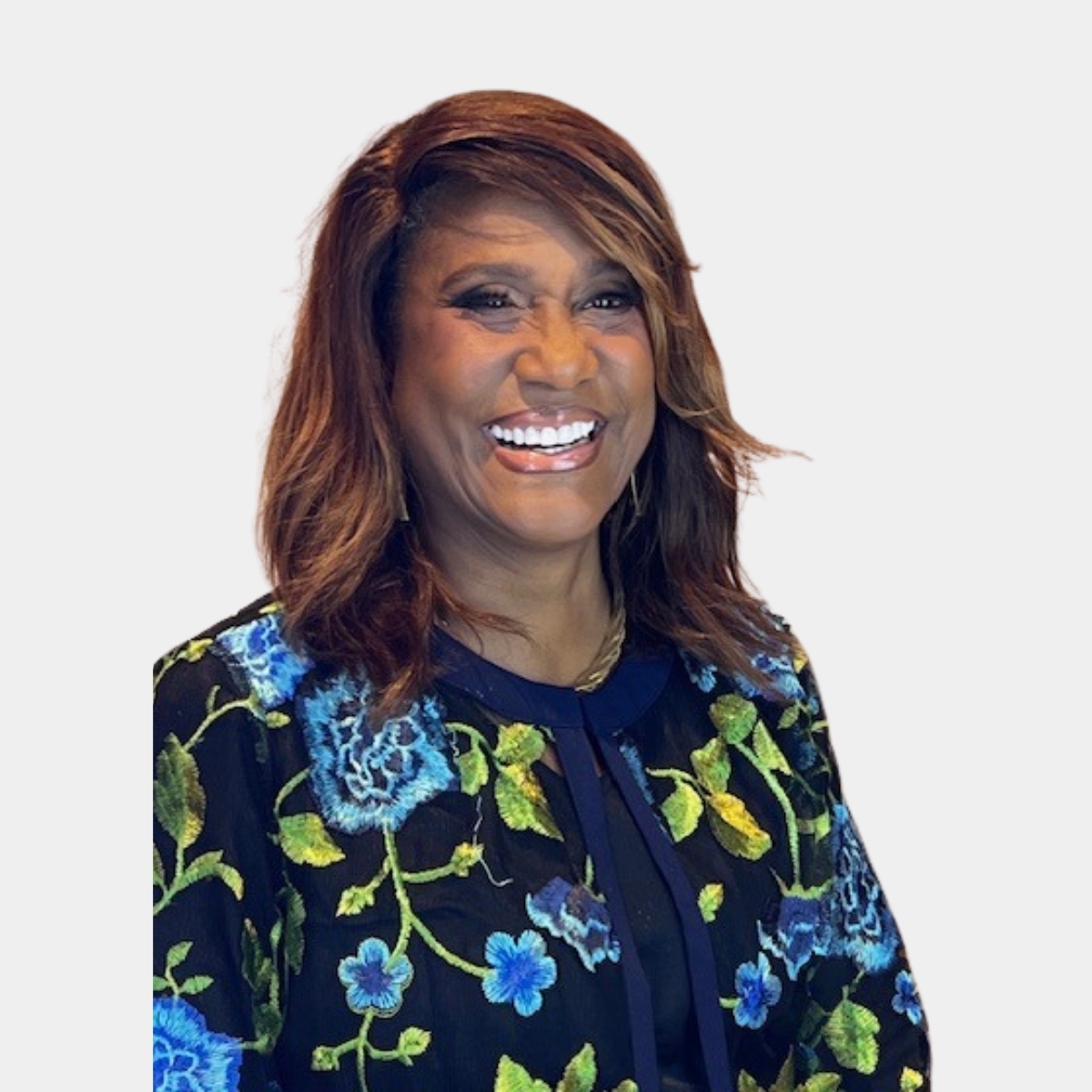
Article by
Franne McNeal
Franne McNeal, President, Significant Business Results LLC has helped 885+ small business owners collectively create 15,000 jobs and nearly $11 billion in revenue. We help architecture, engineering, and construction industry business owners with $1M-$20M in annual revenue, improve revenue, performance and long-term value. We help owners build a business that runs without them & create financial & personal freedom. Our clients focus their energy for action to achieve significant business results.