.png)
Productize your Architecture firm: The strategic path to scalability and freedom

For many owners of architecture, engineering, and construction (AEC) firms, the path to growth feels like a trap. Every new project requires your direct involvement, revenue is tied to billable hours, and the business stalls when you step away. This is the "Owner Trap"—a cycle that limits scalability and prevents you from building a truly valuable asset. The strategic solution is to productize your services.
Learning how to productize your firm means transforming your custom expertise into a standardized, scalable engine. It’s the key to increasing your company’s value, reducing your dependency on the day-to-day operations, and achieving real freedom.
Table of Contents
• Understanding Productization: Why AEC Firms Must Evolve Beyond Custom Project Work
• A Practical Framework for Productizing Your Architecture or Engineering Services
• Scaling Value: How Productization Prepares Your Firm for a Significant Exit
Understanding Productization: Why AEC Firms Must Evolve Beyond Custom Project Work
To productize in the AEC sector is to systematize your expertise. It's the process of converting your bespoke services into a standardized, repeatable offering with a defined scope and a predictable outcome. This isn’t about selling widgets; it's about packaging your intellectual property into a scalable engine that delivers consistent results for your clients and predictable profits for your firm.
The traditional billable hour model fundamentally limits growth because you can only sell the hours you have. Scaling requires adding more people, which adds linear complexity and cost. Productization breaks this model. By creating a well-defined service package, you shift the focus from selling time to selling value, allowing your firm to grow without being entirely dependent on the principal's personal input on every decision.
According to What is Productization?, this is a well-documented area of ongoing research and practical application.
Shifting from Bespoke Design to Standardized Value
A common objection is that architecture and engineering are too "custom" to be productized. This misunderstands the goal. Productization doesn’t mean creating "cookie-cutter" designs; it means standardizing the delivery process. Your unique creative approach remains, but the client journey—from initial consultation and feasibility studies to project management and final delivery—is structured and repeatable.
This clarity benefits everyone. Clients feel more confident when they understand the exact steps, deliverables, and costs upfront. This reduces their anxiety, shortens the sales cycle, and positions your firm as a strategic partner, not just a service provider.
The Impact on Operational Efficiency and Performance
When your services are standardized, your operations become dramatically more efficient. You can create standard operating procedures (SOPs) that empower your team to execute projects consistently and without your constant oversight. This structure allows for better resource planning, improves team accountability, and makes it easier to train new hires. The result is a more streamlined workflow that leads directly to more predictable and defensible profit margins.
A Practical Framework for Productizing Your Architecture or Engineering Services
Transitioning from custom proposals to productized services requires a deliberate, strategic approach. By following a clear framework, you can codify your firm's unique value into a repeatable and scalable offering.
Research published by Productized Service Offerings shows that this is a well-documented area of ongoing research and practical application.
Audit and Identify Your Core Offering
Review your past projects to find the 20% of services that generated 80% of your profit and client satisfaction. Look for patterns in project types, client needs, and challenges you consistently solve. This high-value, repeatable work is the ideal candidate for your first productized service.
Isolate and Document Your Process
Map out every step of your workflow for that core offering, from the initial discovery call to the final project hand-off. Isolate the repeatable components and document them meticulously. This documented workflow becomes your firm's "Signature Process"—the proprietary intellectual property that differentiates you and ensures quality control.
Package the Service
Combine these repeatable components into a fixed-scope, fixed-price offering. Give it a distinct name that communicates its value and outcome. Clearly define what is included (and what is not) to manage client expectations and eliminate scope creep. For more on building a business that can run on its own systems, explore our guide on how to reduce owner dependency.
Systemize for Delegation
Develop the internal systems, checklists, and templates that allow your team to deliver the productized service without your constant intervention. This is the critical step that frees you from the role of lead practitioner and allows you to become a strategic owner. Consider creating a simple, one-page infographic that visually explains the client's journey through your service, breaking it down into no more than three core phases for maximum clarity.
Scaling Value: How Productization Prepares Your Firm for a Significant Exit
For AEC firm owners with an eye on the future, productization is more than an operational improvement—it's a core component of your exit strategy. Potential buyers and investors pay a premium for businesses that are not dependent on their founders. A productized firm is a sellable asset; a traditional practice is often just a high-paying job that disappears when you leave.
Standardized services directly enhance several of the 8 Key Drivers of Company Value, particularly by creating recurring revenue potential and reducing owner dependency. When your firm can generate predictable revenue through documented systems that any competent team can run, its valuation multiples increase significantly. Buyers are acquiring a reliable profit engine, not just a portfolio and a key-person risk.
Reducing Owner Dependency for Long-Term Freedom
Ultimately, productization is the mechanism that allows you to step back from daily operations and focus on strategic growth. When your team is empowered to sell and deliver a standardized service, you are no longer the bottleneck. This operational freedom is the first step toward building a business that can thrive without you, giving you the choice to scale, sell, or transition the firm on your own terms.
Wondering how dependent your business is on you right now? Taking a moment to assess your current firm value can provide critical insights into your readiness for a future exit.
Building Sustainable Growth and Financial Freedom
By moving away from selling time and toward selling a valuable, repeatable solution, you create a foundation for sustainable growth. Productized services provide the structure needed to achieve predictable profits, build a self-sufficient team, and ultimately turn your professional practice into a significant financial asset. This is the strategic path to achieving both personal freedom and lasting business results.
Frequently Asked Questions
Can high-end architecture or engineering services really be productized without losing quality?
Absolutely. Productization is about standardizing your process, not your creativity. By systemizing the project management, client communication, and delivery phases, you free up more time and mental energy to focus on high-value design and engineering challenges, often leading to an increase in quality and consistency.
How does productization help in reducing owner dependency in an AEC firm?
It creates a system that your team can execute without your constant oversight. When you have a defined service with documented steps, checklists, and standards, you can delegate sales and delivery with confidence. Your role shifts from doing the work to managing the system, which is the key to reducing dependency.
Will my clients accept a standardized service package instead of a custom proposal?
Yes, and many will prefer it. A clear, packaged service removes uncertainty for the client. They know exactly what they are getting, how the process works, and what it will cost. This transparency builds trust and often makes the buying decision easier than deciphering a complex, custom proposal.
How does turning services into products affect the eventual sale price of my business?
It significantly increases the sale price. Buyers look for businesses with predictable revenue and low owner dependency. A productized service model demonstrates both. It proves your firm is a scalable system, not just a reflection of your personal reputation, making it a much more attractive and valuable acquisition target.
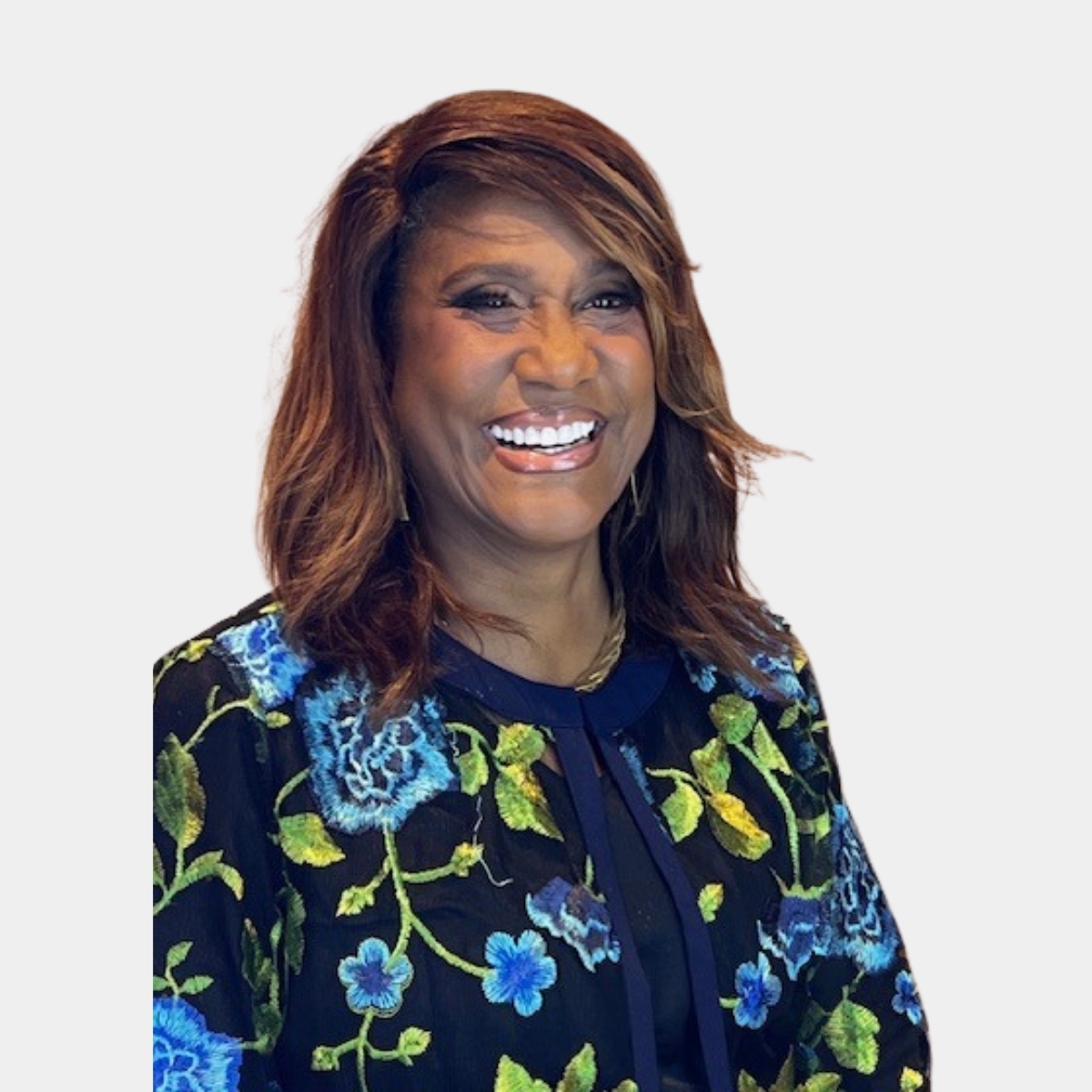
Article by
Franne McNeal
Franne McNeal, President, Significant Business Results LLC has helped 885+ small business owners collectively create 15,000 jobs and nearly $11 billion in revenue. We help architecture, engineering, and construction industry business owners with $1M-$20M in annual revenue, improve revenue, performance and long-term value. We help owners build a business that runs without them & create financial & personal freedom. Our clients focus their energy for action to achieve significant business results.