.png)
Reducing owner dependency: The AEC leader’s path to scalable value

Table of Contents
• The Owner Trap in AEC: Why Technical Expertise Limits Your Firm’s Growth
• A Strategic Framework for Decoupling: Moving from Operator to Visionary
• Scaling for Value: Achieving Significant Results Through Exit Readiness
The Owner Trap in AEC: Why Technical Expertise Limits Your Firm’s Growth
In the architecture, engineering, and construction (AEC) industry, your technical brilliance is your greatest asset—until it becomes your firm’s largest liability. This paradox is the foundation of owner dependency, a state where a firm’s operations, client relationships, and project delivery rely entirely on the founder's daily involvement. Many AEC leaders never complete the critical transition from "expert practitioner" to "strategic business owner," inadvertently creating a business that cannot function, let alone grow, without them.
This dynamic often results in a "Hub and Spoke" operational model. Every major decision, client call, and technical review flows through you, the principal. While this ensures quality control in the short term, it creates a permanent bottleneck that stifles scalability and drives down your firm’s value. Potential buyers or successors don't see a thriving business; they see a high-stakes job where the goodwill is tied to a single person, not a sustainable process. (understanding business scalability)
The Hidden Costs of Being the Primary Producer
The most significant cost of owner dependency is the loss of opportunity. Every billable hour you spend reviewing blueprints or managing a project is an hour you aren’t dedicating to strategic planning, market expansion, or developing your next tier of leadership. This "Key Person" risk is a silent threat: if an illness or unforeseen event sidelines you, revenue can grind to a halt. A business built around one individual is fragile, no matter how talented that individual is.
Identifying Your Dependency Score
The first step toward a solution is quantifying the problem. How much does your business truly rely on you? A formal value assessment can provide a clear, objective measure of your firm's dependency level. Understanding this score is the catalyst for building a more resilient, valuable, and independent company.
To get a clear, data-driven picture of your firm’s current dependency and overall value, consider taking the Value Builder Score assessment. Discover your score in about 13 minutes.
A Strategic Framework for Decoupling: Moving from Operator to Visionary
Reducing owner dependency in your business requires a deliberate, systematic approach. It’s about transforming your personal expertise into a company-wide asset. This evolution from operator to visionary can be achieved through a structured framework focused on systems, sales, and leadership.
Document Your "AEC Secret Sauce"
Your unique approach to project management and client satisfaction is your competitive advantage. The key is to document these bespoke processes, turning them into repeatable Standard Operating Procedures (SOPs). This ensures every client receives the same high-quality experience, regardless of who is leading the project.
Implement a "Pull" Sales Model
Shift client relationships from being dependent on you to being loyal to your firm's brand. A "pull" model attracts clients through your company's reputation, case studies, and proven results, rather than relying solely on your personal network. This makes revenue a function of your system, not your presence.
Develop a Leadership Tier
Empower your project managers and senior staff to own client relationships and technical outcomes. This requires more than delegation; it demands true empowerment, providing them with the authority and resources to make critical decisions. A strong leadership team is the engine of a self-sustaining firm.
Create Recurring Revenue Streams
Move away from the traditional "hunt, kill, eat" project cycle. Explore sustainable service models, such as retainer-based consulting, ongoing maintenance contracts, or phased master planning services. Predictable revenue stabilizes cash flow and dramatically increases company valuation.
Standardizing AEC Operations Without Sacrificing Quality
A common objection from AEC owners is that their work is too bespoke to be standardized. However, the goal isn't to turn your firm into a factory. It's about "productizing" your services—creating defined offerings with clear scope, processes, and deliverables. This ensures consistency and efficiency, freeing up your top talent to focus on innovation and high-value problem-solving. Leveraging technology to automate routine administrative and operational tasks further enhances this efficiency. (develop a business exit strategy)
Building a Leadership Team That Owns Results
The most critical shift in this process is moving from managing tasks to managing outcomes. Your role as the owner should be to set the strategic direction and hold your team accountable for results, not to micromanage their daily activities. Investing in AEC-specific leadership coaching can equip your team with the skills needed to take on greater responsibility and drive the firm forward. A team that is aligned and accountable is fundamental to building a business that runs without you. Learn more about building a self-sustaining leadership team that can carry your vision forward.
Scaling for Value: Achieving Significant Results Through Exit Readiness
The work you do to reduce owner dependency directly increases the tangible value of your firm. This process strengthens the 8 Key Drivers of Company Value, a proven methodology for assessing and improving a company’s worth. A business that can operate profitably without its founder is not just a successful enterprise; it's a sellable asset.
One of the most powerful drivers is recurring revenue, what John Warrillow calls the "Automatic Customer." In a project-heavy industry like AEC, building this requires strategic thinking, but the payoff is immense. Firms with predictable, recurring revenue streams are valued significantly higher by potential acquirers. The Value Builder System™ provides a structured roadmap to implement these drivers, transforming your firm into an attractive asset ready for an internal succession or an external sale.
The Path to Personal and Financial Freedom
Ultimately, this journey leads to "Ownership Optionality"—the state where you have the choice to work on your business, not just in it. You can focus on the parts you love, take a vacation without constant interruptions, or plan your exit with confidence. This is the essence of Exit Readiness: the point where your firm is sellable at any time for maximum value, without requiring your ongoing involvement to succeed.
For a deeper dive into how these principles apply to your firm, explore our guide on the core drivers of company value for architecture firm owners.
Leveraging Peer Learning for Strategic Growth
You don't have to navigate this path alone. Engaging with a community of peers who face similar challenges can accelerate your progress. A mastermind group allows AEC leaders to share proven strategies for decoupling their personal involvement from their firm's success. By learning from others, you can focus your energy on decisive action rather than extinguishing daily fires, achieving the significant results you deserve.
Frequently Asked Questions (FAQs)
How long does it take to reduce owner dependency in an architecture firm?
The timeline varies based on your firm's size, complexity, and current level of dependency. A focused effort on systems and leadership development can yield noticeable results in 12-18 months, with significant decoupling often achieved within 3-5 years.
Will my AEC clients accept working with my team instead of me personally?
Yes, provided the transition is managed strategically. By implementing standardized processes that ensure consistent quality and empowering a capable leadership team, you build client trust in the firm's brand, not just in you as an individual.
What is the first step to take if I feel like the bottleneck in my engineering firm?
The first step is to document your core processes. Start by mapping out how you currently deliver a successful project from start to finish. This exercise will reveal opportunities to delegate, systematize, and empower your team.
Can a business really be sold if the founder is no longer involved?
Absolutely. In fact, a business that can thrive without its founder is far more attractive to buyers. It demonstrates that the company's value is embedded in its systems, team, and brand, making it a lower-risk and more valuable acquisition.
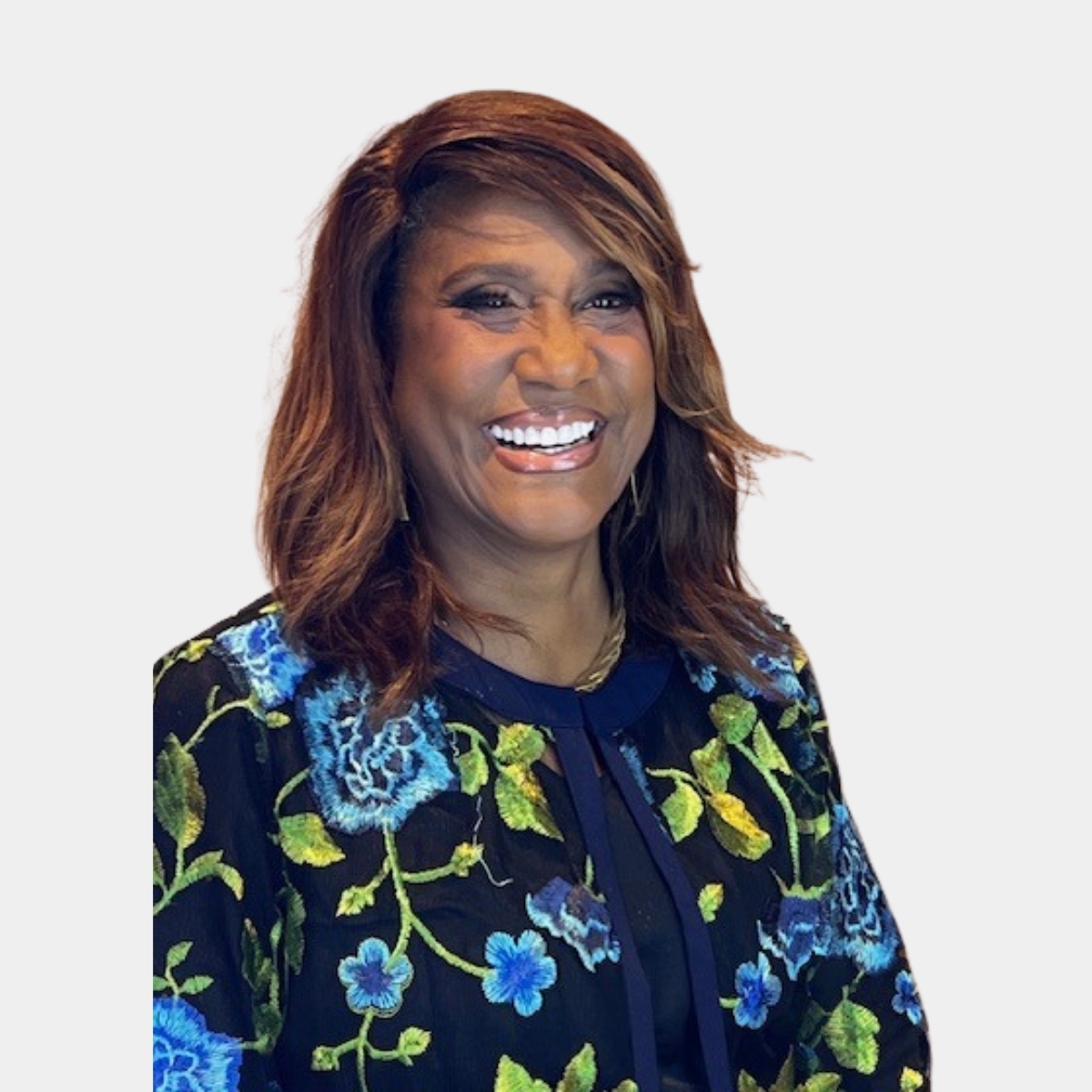
Article by
Franne McNeal
Franne McNeal, President, Significant Business Results LLC has helped 885+ small business owners collectively create 15,000 jobs and nearly $11 billion in revenue. We help architecture, engineering, and construction industry business owners with $1M-$20M in annual revenue, improve revenue, performance and long-term value. We help owners build a business that runs without them & create financial & personal freedom. Our clients focus their energy for action to achieve significant business results.