.png)
The cost of delay for Architecture, Engineering or Construction Firms future value

Table of Contents
• The Compounding Cost of Delaying Your AEC Firm’s Evolution
• Transitioning from Indispensable Operator to Strategic Builder
• Securing Your Legacy: Building a Sellable Asset Today
The Compounding Cost of Delaying Your AEC Firm’s Evolution
For leaders in architecture, engineering, and construction, the phrase “one more year” often feels like a pragmatic choice—a brief postponement of strategic planning to manage the immediate demands of projects and clients. However, this delay is not a neutral act. It carries a significant, compounding cost. The Cost of Delay is the ever-widening gap between your firm's current valuation and its true potential, a potential that could be as much as 71% higher with the right operational structure.
Each year you wait to systematize your business, you are not merely maintaining the status quo; you are actively increasing your exposure to risk. Market dynamics do not pause. Labor shortages can become more acute, interest rates can climb, and the window of opportunity for a favorable exit can close with little warning. For a business heavily reliant on its owner, these external pressures are magnified, creating instability where there should be strength.
Beyond the financial and market risks, there is a profound emotional toll. Remaining in the role of the “Indispensable Operator”—the central figure through whom all critical decisions must pass—is a direct path to burnout. It limits your personal freedom and caps the firm’s potential. More importantly, when it comes time to sell, buyers are not interested in a last-minute scramble to create processes. They seek a proven track record of operational independence, demonstrated through years of historical data. Waiting another year means you have one less year of that crucial history to present.
Why “One More Year” is a Dangerous AEC Strategy
The decision to postpone building a scalable business model is a gamble against market forces you cannot control. Market volatility can abruptly shift, closing exit windows for firms that lack the robust, system-driven operations that attract premium buyers. An unorganized firm is a high-risk acquisition, and in a tightened economy, buyers avoid risk above all else. Waiting for a “perfect” economic climate is a flawed strategy because a well-structured business is desirable in any market.
This delay also accelerates a process known as “Value Decay.” When a firm's success is inextricably linked to the founder's personal reputation and relationships, its value is temporary. As the owner ages or considers stepping back, that value begins to erode because it cannot be transferred. The business is not an asset; it is a job that only one person can perform. To counteract this, you must begin to view your business as your most important project—one with a clear objective, defined phases, and a definitive completion date that secures your legacy.
The Impact of Owner Dependency on Long-Term Performance
Many AEC firms operate on a “hub and spoke” model, where the owner is the central hub and every employee, client, and decision represents a spoke. While this may feel like control, it is a structural trap that guarantees stagnation. Every query, approval, and crisis must pass through the principal, creating bottlenecks that stifle efficiency and prevent the team from developing its own decision-making capabilities.
This dependency is a primary driver of inconsistent revenue and the inability to scale. The firm’s capacity is limited to the owner's personal bandwidth. When you are pulled into every operational detail, there is no time for high-level strategic work—the very work that leads to sustainable growth and higher margins. Breaking this cycle requires a deliberate shift from personal heroics to durable systems. To learn more about building a resilient operational foundation, you can explore our strategic articles for AEC leaders.
Transitioning from Indispensable Operator to Strategic Builder
The journey from an owner-dependent firm to a valuable, sellable asset is a structured process, not an overnight change. It requires a fundamental shift in your role, moving from the daily grind of project execution to the high-level work of business architecture. This transition unfolds across four distinct, actionable stages.
Identify the Bottlenecks
Begin by pinpointing the exact operational friction points that keep you tethered to the drafting table or job site. Is it quoting, client management, quality control, or team oversight? A clear diagnosis of where your personal involvement is most required is the essential first step toward designing a system to replace it.
Implement Repeatable Systems
With the bottlenecks identified, develop and document repeatable systems to address them. These processes are your solution to chronic issues like low margins and downward price pressure. Standardized workflows ensure consistent delivery and quality, allowing you to command higher fees based on reliability, not just your personal reputation.
Empower a Leadership Team
Systems are only effective when you have a capable team empowered to run them. Delegate responsibility for daily operations, client interactions, and regulatory compliance to a trusted leadership team. This frees you from being the primary problem-solver and allows your team to grow in competence and confidence.
Shift Your Focus to High-Level Strategy
Once your systems and team are in place, your role evolves to that of the Strategic Builder. Your focus shifts from working in the business to working on it. Your energy is now dedicated to identifying new market opportunities, refining long-term value drivers, and guiding the firm’s future—not managing its present.
Solving AEC Pain Points with Intentional Systems
Intentional systems are the antidote to the most persistent pain points in the AEC industry. When faced with a limited pool of qualified subcontractors or unpredictable cash flow, documented processes provide stability. They create predictable outcomes, streamline project delivery, and reduce the financial uncertainty that plagues so many firms. Standardized processes for project management, billing, and client communication ensure quality is maintained without your constant oversight, protecting your firm’s reputation and profitability.
Additionally, ensuring your workforce has the proper credentials can significantly reduce project risk; to see how experienced tradespeople can obtain Australian qualifications, find out more.
Successful firms, such as River City Construction Inc, demonstrate that when a business prioritizes specialized service delivery and operational consistency, it builds the kind of market trust that supports sustainable growth.
This transformation is driven by a change in perspective. The "Intentional Builder" mindset is the commitment to creating a business that is a valuable asset, not just a vehicle for personal income. It is the conscious decision to build something that will endure beyond your direct involvement.
The 8-Pillar Framework for Architectural and Engineering Growth
To guide this transition, a proven roadmap is essential. The Value Builder System™ provides this structure, organizing the complex task of value creation into an 8-pillar framework for operational excellence. Each pillar addresses a critical aspect of your business that buyers scrutinize, from financial performance to customer satisfaction.
One of the most critical pillars for AEC firms is “The Switzerland Structure.” This principle focuses on systematically reducing your company’s dependence on any single client, employee, or supplier. By diversifying your client base and ensuring no single relationship accounts for more than 15% of your revenue, you insulate your firm from market shocks and demonstrate a level of stability that is highly attractive to potential acquirers. It is a tangible step away from reliance and toward resilience. To understand all eight drivers, download the 8 Key Drivers of Company Value eBook.
Securing Your Legacy: Building a Sellable Asset Today
The ultimate goal of this strategic work is to build a business that is a sellable asset. It is a crucial distinction: a sellable business is inherently a better business to own, whether you plan to sell tomorrow or in a decade. It operates efficiently, generates predictable profits, and does not require your constant presence. This creates a level of operational and financial freedom that is impossible to achieve when the business revolves entirely around you.
Firms that follow a structured value-building process, such as the 8-pillar framework, achieve a significant valuation premium—on average, 71% higher than their peers. This is because they have systematically eliminated the risks that buyers penalize. They have moved from a model of inconsistent, project-based revenue to one built on recurring value, stable contracts, and documented systems. By focusing on these fundamentals, you are not just preparing for an eventual exit; you are building an asset that provides enduring personal and financial freedom today.
Achieving Significant Results Through Strategic Coaching
Embarking on this journey alone can be daunting. The same operational demands that created the owner-dependency trap can easily derail your efforts to escape it. This is where strategic guidance becomes invaluable. Executive coaching for AEC owners provides the external accountability and expert perspective needed to cut through the daily noise and focus your energy on decisive action. A coach helps you stay committed to the high-level work of building your business, ensuring your efforts translate into measurable results.
Furthermore, peer-to-peer growth within a group like the Significant Business Results Mastermind provides a forum to share challenges and solutions with other AEC leaders on the same path. This combination of expert coaching and peer collaboration accelerates your progress and reinforces the strategic mindset necessary for success. If you are ready to focus your energy on what matters most, learn more about coaching for AEC business owners.
Measuring Your Progress Toward Freedom
Transforming your business from a job into an asset is a multi-year process that requires a clear starting point and consistent measurement. You cannot improve what you do not measure. Using a standardized assessment to track your business’s health and value provides an objective benchmark against which to gauge your progress. It highlights your strengths and, more importantly, reveals the vulnerabilities that need immediate attention.
Knowing your "Value Builder Score" is the critical first step toward a successful transition. This confidential, comprehensive assessment evaluates your firm against the eight key drivers of company value, giving you an unbiased view of its current sellability and operational strength. It replaces guesswork with data, providing a clear roadmap for the work ahead. Your legacy is too important to leave to chance. Take the first step toward building a business that gives you freedom.
Get your Value Builder Score to see where your AEC firm stands.
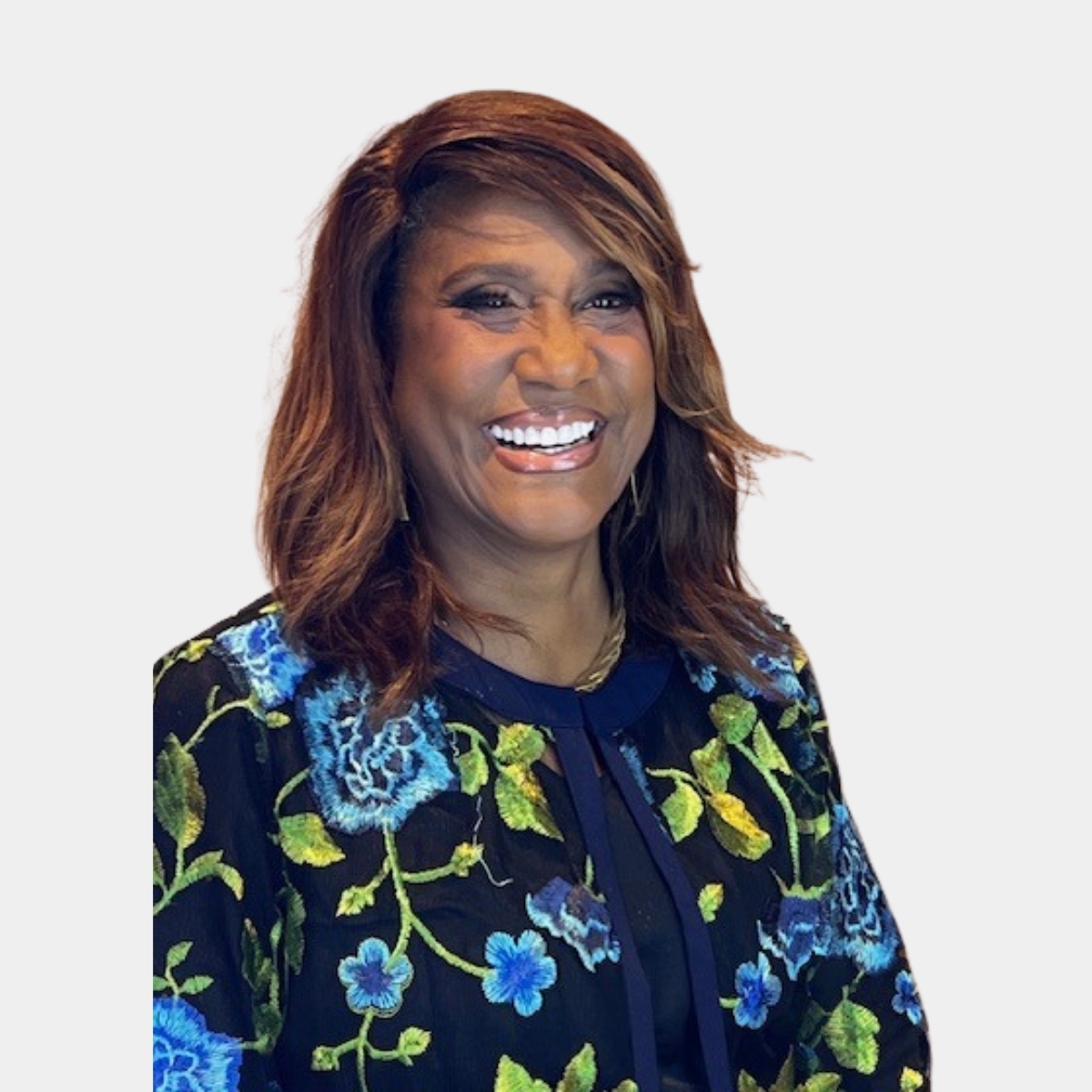
Article by
Franne McNeal
Franne McNeal, President, Significant Business Results LLC has helped 885+ small business owners collectively create 15,000 jobs and nearly $11 billion in revenue. We help architecture, engineering, and construction industry business owners with $1M-$20M in annual revenue, transform founder-dependent businesses into scalable, high-value enterprises. We solve the problems of low margins, inconsistent revenue and pressure to lower prices, by helping clients create a business that is an asset (one that runs without them), based on a proven system 8-pillar framework to increase the value of a business by 71%. We empower owners to move from being indispensable operators to intentional builders of enduring businesses, so they create financial & personal freedom. Our clients focus their energy for action to achieve significant business results.