.png)
The critical question most Architecture, Engineering or Construction owners fail to answer

Table of Contents
• The Indispensable Operator Trap: Why Most AEC Owners Cannot Answer the Value Question
• The 8 Key Drivers of Firm Value You Are Likely Ignoring
• Strategic Freedom: Transitioning Your Firm into a Scalable Asset
The Indispensable Operator Trap: Why Most AEC Owners Cannot Answer the Value Question
For most owners in the Architecture, Engineering, and Construction (AEC) industries, the business is a reflection of their personal expertise. You are the chief rainmaker, the lead technical expert, and the final decision-maker on every critical project. This hands-on approach built your firm, but it has also created a trap. You have become an Indispensable Operator, so deeply embedded in daily operations that the business cannot function without you. This reality directly undermines your firm’s value, turning a potential asset into a high-stress job.
The alternative is to become an Intentional Builder—a leader who systematically creates a business that runs on processes, not on their personal presence. The operator mindset leads to inconsistent revenue and low margins because every decision depends on one person. In contrast, the builder focuses on creating a durable, sellable asset. The difference between these two paths is revealed by one critical question: If you were to step away from your business for three months, completely unreachable, what would remain upon your return? For most AEC owners, the honest answer is unsettling.
The Financial Risk of Owner Dependency
Owner dependency places a hard ceiling on your firm’s valuation. When it comes time for an exit, potential buyers are not interested in purchasing a job; they want to acquire a self-sustaining system. If your personal relationships drive all sales or your expertise is required to complete projects, the value of the business is tied directly to you. When you leave, the value leaves with you. This is the primary reason so many successful firms sell for a fraction of what their owners believe they are worth.
This risk is magnified by today’s market challenges. Labor shortages become catastrophic when undocumented, owner-centric processes mean new hires cannot be trained effectively. High interest rates and tight cash flow become unmanageable when you are the only one who can navigate complex financial decisions. The first step toward mitigating this risk is understanding where you stand. Quantifying your firm’s dependency on you is essential to building a valuable, independent enterprise. You can begin this process by assessing your current situation with the Value Builder Score.
Moving from Technical Expert to Strategic Leader
The transition from operator to builder requires a profound psychological shift. You must consciously evolve from being the company’s chief problem-solver to its chief strategist. This means empowering your team to make decisions, documenting your processes, and trusting others to manage client relationships. For many AEC leaders, this is a significant challenge.
Common objections often surface: “My clients only want to work with me,” or “My technical expertise is too specialized to be replicated.” While these beliefs may feel true, they are often self-imposed limitations. True scalability comes from building systems that deliver consistent results, regardless of who is executing the work. Your role is not to be the best architect or engineer in the firm; it is to build the best architecture or engineering firm. This means shifting your energy from solving today’s problems to architecting the company’s future.
The 8 Key Drivers of Firm Value You Are Likely Ignoring
If owner dependency is the problem, a systematic approach to building value is the solution. The Value Builder System offers a proven framework built on 8 Key Drivers that are statistically shown to increase a company’s value by an average of 71%. This framework provides a clear roadmap for transforming your practice into a sellable asset by focusing on the metrics that matter most to potential acquirers.
In the AEC space, buyers prioritize stability and predictability. They look for what is called “The Switzerland Structure”—a business that maintains neutrality and independence from any single client, employee, or supplier. Over-reliance on one major contract or a star employee creates fragility. Similarly, the “Valuation Teeter-Totter” illustrates the inverse relationship between risk and value. As you systematize operations and reduce dependency, you lower the perceived risk for a buyer, which in turn pushes your valuation multiple higher. For design and engineering firms, developing recurring revenue models—such as service contracts or phased retainers—is a powerful way to smooth out cash flow and demonstrate long-term stability.
Quantifiable Performance Metrics Beyond the Balance Sheet
Valuation is about more than just revenue and profit; it’s about the durability of those earnings. The 8 Key Drivers provide a way to measure and improve this durability. For instance, “The Monopoly Control” driver measures your firm’s level of differentiation in a crowded market. Do you offer a unique service, own a proprietary process, or dominate a specific niche—much like how Blueprint Kitchen and Bath Design Studio specializes in accessibility and safety upgrades—that competitors cannot easily replicate? True differentiation allows you to command higher prices and protect your margins from competitive pressure.
Another critical metric is the “Hub and Spoke” score, which directly quantifies how much the business relies on you, the owner. If you are the hub and all decisions flow through you, the business is fundamentally weak. Building a strong management team and empowering them with clear systems breaks this dependency, strengthening the enterprise. To explore all eight drivers in detail, you can download the 8 Key Drivers of Company Value eBook for a deeper analysis.
Solving the Problem of Low Margins and Price Pressure
The constant pressure to lower prices and the struggle with thin margins are symptoms of a deeper issue: a lack of systemic value. When you focus on strengthening the 8 Key Drivers, you naturally improve operational efficiency and create a more defensible market position. A firm with documented processes, a diverse client base, and a strong management team can deliver projects more profitably and consistently.
One powerful strategy to combat inconsistent revenue is to “productize” your services. This involves standardizing a specific offering, creating a repeatable process for its delivery, and selling it at a fixed price. For an architecture firm, this could be a pre-designed feasibility study package. For a construction company, it might be a specialized renovation service—to see how this works in practice, learn more about United Roofing & More!. Productizing services creates predictable cash flow and makes it easier to train staff, moving your firm away from the unpredictable nature of custom, one-off projects.
Strategic Freedom: Transitioning Your Firm into a Scalable Asset
Achieving true freedom as a business owner requires a deliberate reallocation of your energy. You must shift your focus from doing the work to building the business that does the work. This transition is a strategic journey, moving from daily tactical involvement to a high-level role focused on growth, culture, and long-term vision. For many AEC firms in the $1M-$20M revenue range, this is the most challenging—and most critical—phase of their evolution.
Navigating this growth requires more than just hard work; it requires new skills and a new perspective. Executive leadership coaching provides a structured process for developing the strategic capabilities needed to scale. Similarly, participating in a peer group like the Significant Business Results Mastermind allows you to learn from other AEC owners who are facing the same challenges. These structured environments, combined with formal strategic planning, create the accountability and foresight needed to reduce risk and build a truly valuable enterprise.
Building the Business That Runs Without You
The ultimate goal is to create a business that not only survives but thrives in your absence. This is achieved by implementing robust systems that empower your leadership team to operate autonomously. These systems should cover everything from sales and marketing to project execution and financial management. When your team has a clear playbook to follow, they can make confident decisions without your constant input. For a detailed look at how to manage this transition, explore our specialized AEC Coaching services.
This process demands what we call “Action-Focused Energy”—a commitment to consistently implementing changes that move the business toward greater independence. It’s not about a single, revolutionary act but a series of deliberate, incremental improvements that compound over time. As you build these systems, you are not just making your life easier; you are fundamentally transforming your firm from a personal practice into a scalable asset.
Achieving Financial and Personal Freedom
For an AEC owner, “freedom” means having options. It’s the ability to choose whether you want to sell the firm for a top-dollar valuation, transition it to the next generation, or step back into a strategic role while the business continues to generate wealth without your daily effort. This stands in stark contrast to the daily grind of the indispensable operator, who is chained to the business until burnout or retirement.
This journey begins with a single, critical question about your firm’s ability to operate without you. It progresses by understanding and implementing a proven framework—the 8 Key Drivers of Company Value—to systematically reduce dependency and increase worth. The final result is a business that functions as a true asset, providing you with the financial and personal freedom you envisioned when you first started your firm.
Frequently Asked Questions
How does the Value Builder System specifically apply to the construction industry?
In construction, the system helps owners move beyond reliance on personal relationships for bids. It focuses on creating documented bidding, project management, and safety processes that ensure consistent project delivery and profitability, making the business attractive to a buyer even without the founder's network.
What is the average value increase for an AEC firm using the 8-pillar framework?
While results vary, businesses that engage with the 8-pillar framework and improve their Value Builder Score see their company's value increase by an average of 71%. The key is consistent focus on strengthening all eight areas of the business.
Can an architecture firm really run without the founding principal?
Absolutely. It requires shifting the firm’s identity from the founder's unique design philosophy to a repeatable, branded design process that the entire team can execute. This involves mentoring a leadership team and empowering them to manage key client relationships and design direction.
What are the first steps to reducing owner dependency in a $5M engineering firm?
Start by identifying the most critical functions you perform daily. Then, begin documenting the processes for two or three of those tasks. Simultaneously, identify a key employee or two who can be trained to take over those responsibilities, and start delegating with clear instructions and authority.
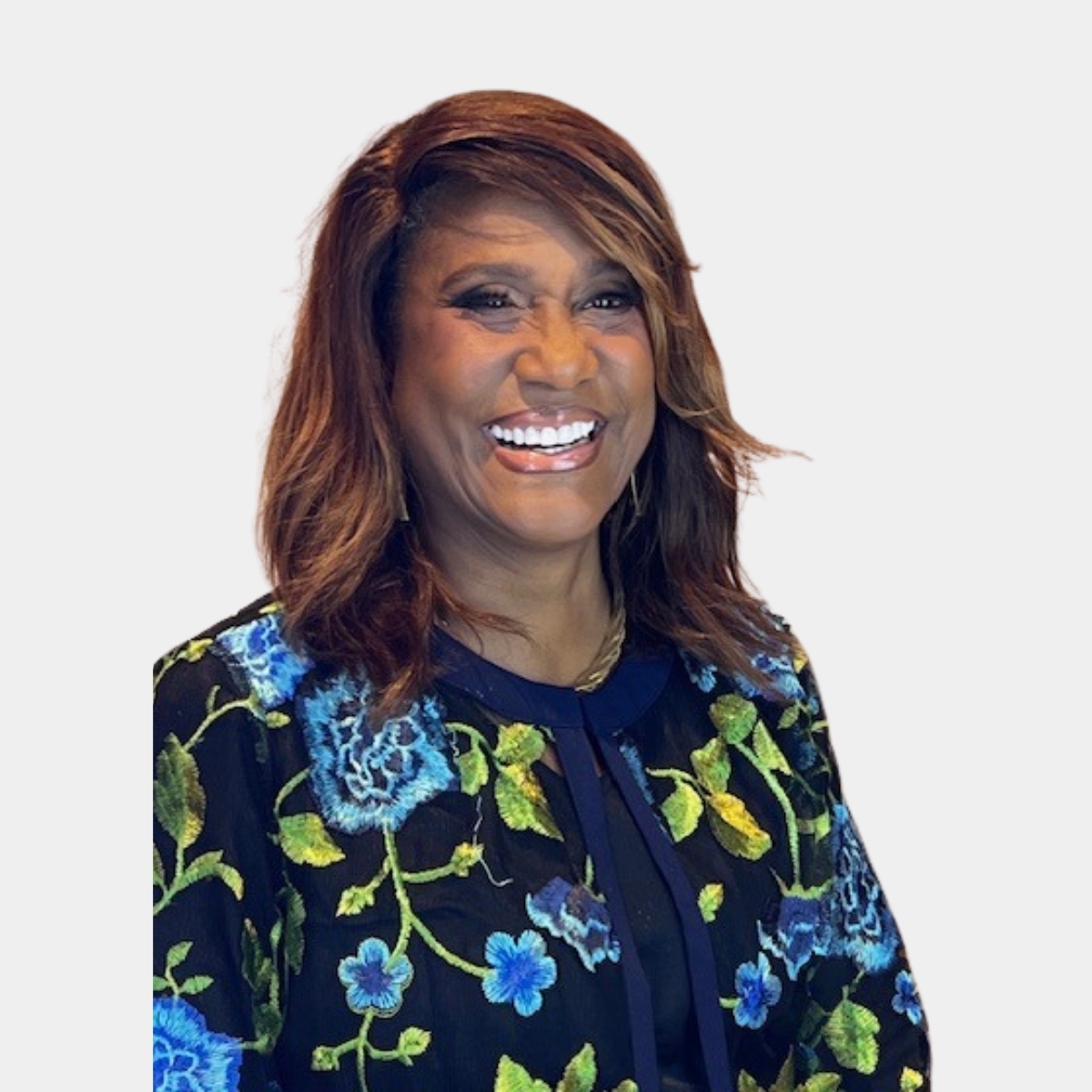
Article by
Franne McNeal
Franne McNeal, President, Significant Business Results LLC has helped 885+ small business owners collectively create 15,000 jobs and nearly $11 billion in revenue. We help architecture, engineering, and construction industry business owners with $1M-$20M in annual revenue, transform founder-dependent businesses into scalable, high-value enterprises. We solve the problems of low margins, inconsistent revenue and pressure to lower prices, by helping clients create a business that is an asset (one that runs without them), based on a proven system 8-pillar framework to increase the value of a business by 71%. We empower owners to move from being indispensable operators to intentional builders of enduring businesses, so they create financial & personal freedom. Our clients focus their energy for action to achieve significant business results.