.png)
The risks of being an irreplaceable Architecture, Engineering or Construction business owner

Table of Contents
• The Hidden Risks of Being Irreplaceable in Your Architecture, Engineering, or Construction Business
• Shifting from Indispensable Operator to Intentional Builder
• Engineering Your Exit: Building a Business That Functions as an Asset
The Hidden Risks of Being Irreplaceable in Your Architecture, Engineering, or Construction Business
In the architecture, engineering, and construction (AEC) industry, many business owners wear their irreplaceability as a badge of honor. You are the chief problem solver, the lead technical expert, and the primary client relationship manager. While this central role may have been essential for launching your firm, it evolves into a significant liability as you grow. This condition is known as Owner Dependency, a primary metric for assessing business risk and valuation. When a business cannot function without its owner, it is not a scalable asset; it is a high-stakes job.
Being the constant "Chief Problem Solver" creates a critical bottleneck that stifles growth. Every major decision, client issue, or technical challenge funnels back to you, preventing your team from developing autonomy and slowing down operational efficiency. This is the AEC "Hero Trap," where your deep technical expertise, once your greatest strength, becomes the very thing holding the company back. Your primary contribution should not be solving today's problems but building the systems that prevent tomorrow's.
Ultimately, this level of irreplaceability has a direct and negative impact on your exit strategy. A business that is entirely dependent on its founder is difficult, if not impossible, to sell. Potential buyers see a company whose most critical asset—you—walks out the door at closing. This fundamentally devalues what you have spent years building.
The Financial Penalty of the Indispensable Owner
When it comes time to sell, buyers are not just acquiring your client list and portfolio; they are investing in a self-sustaining operation. If all key client relationships reside with you, an acquirer will heavily discount the firm's value, viewing those relationships as a significant flight risk. They understand that without you, the revenue stream is unstable. This is a common reason why many AEC firms fail to attract serious buyers.
This dependency often leads to the "Earn-out Trap." To mitigate their risk, a buyer may structure a deal where a large portion of the sale price is contingent on you staying with the company for several years post-acquisition to ensure a smooth transition of clients and operations. This forces you to remain in a role you intended to leave, delaying your personal and financial freedom and diminishing the true value of your exit.
AEC Industry Pain Points and Owner Dependency
In the current AEC landscape, owner dependency intensifies common industry challenges. Persistent labor shortages make delegation feel impossible, yet relying solely on your own capacity limits project volume and revenue potential. When you are the only one who can manage complex projects or secure high-value contracts, your firm's growth is capped by the number of hours in your day.
Furthermore, an owner-centric decision-making model often leads to inconsistent cash flow. When every approval must pass through you, project timelines can lag, and invoicing cycles get delayed. This creates a reactive financial environment where the business lurches from one cash crunch to the next, a problem exacerbated by the project-based nature of AEC work.
Shifting from Indispensable Operator to Intentional Builder
The solution to owner dependency lies in a fundamental mindset shift: from tactical reaction to strategic foresight. It requires you to evolve from an "Indispensable Operator," who works in the business, to an "Intentional Builder," who works on the business. This transition is the most critical step in creating a valuable, sustainable enterprise.
The Intentional Builder’s primary role is not project management but systems architecture. They design, implement, and refine the operational, financial, and management systems that allow the business to run smoothly and predictably without their daily intervention. The goal is to build a company that serves your life, providing both personal and financial freedom, rather than one that consumes it.
Well-designed systems are the definitive answer to the chronic problems of low margins and downward price pressure. When your operations are efficient and repeatable, you can deliver consistent quality at a competitive cost structure, protecting your profitability and creating a durable competitive advantage.
The 8-Pillar Framework for Scalable AEC Value
To guide this transition, we utilize a proven methodology centered on eight core value drivers. This framework is designed to systematically reduce owner dependency and has been shown to increase a company's value by an average of 71%. Two of the most critical pillars for AEC owners are dismantling the "Hub and Spoke" model and building "The Switzerland Structure."
Hub and Spoke
This is a business model where the owner (the hub) is the center of all activity, and employees and clients (the spokes) cannot function without direct interaction with you. Dismantling this requires empowering a leadership team and creating redundant systems so the business continues to operate seamlessly in your absence.
The Switzerland Structure
This principle focuses on diversifying your client base so that no single client accounts for more than 15% of your revenue. It makes your company neutral and resilient, protecting it from the shock of losing one major account and making it far more attractive to a potential buyer.
Your progress in building a valuable, independent business can be measured. The Value Builder Score is a comprehensive assessment that benchmarks your company’s performance across all eight drivers, providing a clear picture of its sellability and operational strength.
Empowering Your Leadership Team
The practical work of reducing dependency begins with delegation, but it must evolve into genuine empowerment. The key is to shift your role from "doing" the work to "coaching" your executive leadership on how to think strategically and make high-level decisions. This involves establishing clear key performance indicators (KPIs), defining roles and responsibilities, and creating a culture where calculated risk-taking is encouraged.
Many owners hesitate at this stage, fearing a loss of control or a decline in quality. This fear is natural, but it must be overcome. The truth is, true control comes from having a business guided by robust systems and a capable leadership team, not from your personal oversight of every detail. By entrusting your team with significant responsibilities, you are not losing control; you are multiplying your firm's capacity for excellence.
Engineering Your Exit: Building a Business That Functions as an Asset
In the engineering and construction sectors, a "Sellable Asset" is a business with predictable cash flow, a diverse client base, a strong management team, and well-documented standard operating procedures. Its value is embedded in the organization itself, not in the identity of its founder. This stands in stark contrast to a "Job," where the company's success is inextricably linked to the owner's personal efforts, reputation, and relationships.
The ultimate goal is to build a business that is systems-dependent, not owner-dependent. This distinction is crucial for anyone planning a future exit. A company that runs without its founder not only commands a higher valuation but also demonstrates superior long-term performance, making it a more stable and attractive acquisition target. The vision is to achieve significant business results through a structured approach that transforms your daily grind into a strategic, sellable enterprise.
Navigating Regulatory Compliance and Risk Through Systems
The AEC industry is heavily regulated, and owner-centric firms carry a disproportionate amount of liability. When you are the final authority on technical and compliance issues, the personal risk is immense. By implementing standardized processes for project management, quality control, and safety protocols, you transfer that liability from an individual to the system itself.
This systematic approach also fosters a culture of accountability that can survive your eventual transition. When procedures are clear and performance is measured, every team member understands their role in maintaining the firm's standards. This creates a resilient organization where quality and compliance are ingrained in the company's DNA, not dependent on your presence.
Your Roadmap to Freedom and Significant Results
The journey from an indispensable owner to the builder of a valuable asset is a deliberate one. It begins with a clear-eyed assessment of where your business stands today. Strategic planning sessions are essential for identifying the specific value drivers that require the most attention, allowing you to focus your efforts where they will have the greatest impact.
For those ready to accelerate this process, the Significant Business Results Mastermind offers a collaborative environment where AEC owners work together to implement these principles and drive sustainable growth. It is a forum for high-level strategy and peer-to-peer accountability.
The first step, however, is understanding your starting point. By identifying the current level of owner dependency in your firm, you can create a targeted plan for building a more independent and valuable company. Your business has the potential to be more than a demanding job—it can be your greatest asset.
Get Your Value Builder Score and Identify Your Owner Dependency
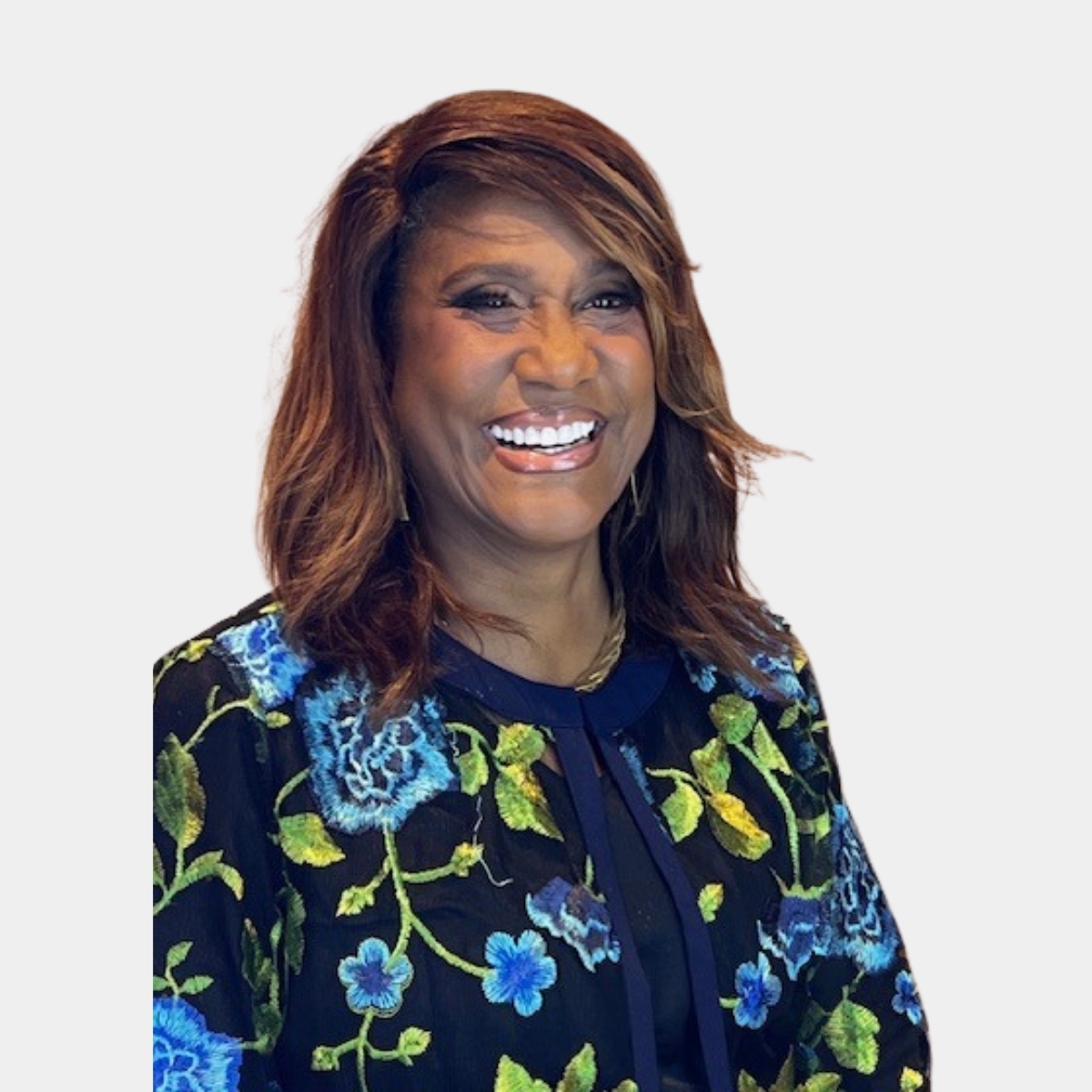
Article by
Franne McNeal
Franne McNeal, President, Significant Business Results LLC has helped 885+ small business owners collectively create 15,000 jobs and nearly $11 billion in revenue. We help architecture, engineering, and construction industry business owners with $1M-$20M in annual revenue, transform founder-dependent businesses into scalable, high-value enterprises. We solve the problems of low margins, inconsistent revenue and pressure to lower prices, by helping clients create a business that is an asset (one that runs without them), based on a proven system 8-pillar framework to increase the value of a business by 71%. We empower owners to move from being indispensable operators to intentional builders of enduring businesses, so they create financial & personal freedom. Our clients focus their energy for action to achieve significant business results.