.png)
What is the biggest lie Architecture, Engineering or Construction owners tell themselves about their client relationships?

For many owners in architecture, engineering, or construction (AEC), the long hours and personal sacrifices feel justified by one core belief: that the deep, personal relationships they’ve built with clients are the firm’s most valuable asset. They tell themselves, “My clients are loyal to me. They’d never go anywhere else.” This feels like a security blanket in a volatile industry.
But what if that belief isn’t just wrong—what if it’s the single biggest lie holding your firm back?
This isn’t about diminishing the importance of client trust. It’s about confronting an uncomfortable truth: when client loyalty is tied exclusively to you, the owner, you haven’t built a scalable asset. You’ve built a high-performance job that you can never leave.
Table of Contents
• The Indispensability Trap: Why Your 'Great Relationships' Might Be Killing Your Firm’s Value
• The 8-Pillar Framework: Turning Fragile Bonds into Scalable Assets
• From Indispensable Operator to Intentional Builder: A Roadmap for Freedom
The Indispensability Trap: Why Your 'Great Relationships' Might Be Killing Your Firm’s Value
The biggest lie AEC owners tell themselves is that a client’s personal loyalty to the founder makes the business more secure. In reality, it makes the business more fragile. This is the "Indispensability Trap," and it’s a common pitfall for driven, talented leaders. When every major decision, client conversation, and new contract depends on your personal involvement, you create a "Hub & Spoke" model with you at the center. While this gives you a sense of control, it chokes the firm’s potential for growth and dramatically reduces its value.
If you are the only one who can close a deal, manage a key relationship, or solve a crisis, you don’t truly own a business; you own a job. The firm’s success is directly tied to the hours you can personally work, creating a permanent bottleneck that limits revenue and scalability.
The Hidden Cost of Being the Hero
Playing the hero for every client comes at a steep price. Because you are the primary problem-solver, your schedule is dictated by client emergencies, not strategic priorities. This leads to inconsistent revenue cycles, reactive decision-making, and compressed profit margins as you scramble to meet demands. The psychological toll is immense, leading to burnout and the feeling that you can never take a real vacation.
More importantly, this dependency is a massive red flag to potential buyers. An acquirer isn’t interested in buying your personal contact list; they want a sustainable business with systems that generate predictable results. Owner dependency is the primary discount factor in AEC firm valuations. When a buyer sees that all key relationships walk out the door with you, the value of the firm plummets. In fact, being known as the best in your market can actually hurt your business value if the reputation is tied to you and not the firm itself.
The 8-Pillar Framework: Turning Fragile Bonds into Scalable Assets
To escape the Indispensability Trap, you must shift the foundation of your client relationships from personal loyalty to systemic trust. The goal is to make clients loyal to your firm’s process, not just your personality. This is how you transform fragile, person-to-person bonds into durable, sellable company assets.
The key is to build a business that delivers consistent, high-quality results, regardless of whether you are in the room. This requires a systematic approach, one guided by a proven methodology like the 8-Pillar Framework of Company Value. Instead of relying on your individual heroics, this framework helps you install systems for everything from marketing and sales to project delivery and client management.
This approach allows you to "productize" your services—defining clear, repeatable processes for delivering your expertise. When clients buy your system instead of your time, you reduce the downward pressure on pricing and create a more predictable revenue stream. It moves the focus from "who" the client knows to "how" the firm delivers.
Creating a 'Sellable' Relationship Structure
How can you tell if your firm is too dependent on your personal involvement? The first step is to get an objective measure of your company’s structure. Taking a confidential assessment like the Value Builder Score can give you a clear benchmark of your firm's "Hub & Spoke" dependency and overall sellability.
A truly valuable client relationship has three core criteria: it is transferable, documented, and process-driven. This means a trained team member can step in and manage the relationship effectively using the firm’s established systems. To build this structure, you need a clear understanding of the key drivers that create company value. The 8 Key Drivers ebook provides a powerful lens for evaluating your current operations and identifying where to focus your systemization efforts.
From Indispensable Operator to Intentional Builder: A Roadmap for Freedom
Making the transition from being the firm’s primary "doer" to its strategic architect is the final and most critical step. This isn't just about delegation; it's about fundamentally redesigning your role. You must move from doing the work to designing the business that does the work.
The current market chaos—with its rising costs, labor shortages, and high interest rates—is the perfect catalyst for this change. Firms that rely on a single person’s heroic efforts will break under the pressure. Those built on robust systems, however, will thrive. Systemization is your best defense against market volatility.
This journey requires a deliberate roadmap:
Empower Your Leadership Team
Start by gradually delegating high-level client interactions to trusted team members, equipping them with the processes and authority to succeed.
Document Everything
Create standard operating procedures (SOPs) for every critical function, from initial client intake to final project delivery.
Focus on Metrics
Shift your focus from personal accolades to key performance indicators (KPIs) that measure the firm’s health and efficiency.
Build Your Exit into the Business
Operate every day as if you are preparing to sell the firm in the next five years. This mindset forces you to build systems that run without you.
Building an Enduring AEC Legacy
The "Intentional Builder" constructs a business with the same rigor and foresight they apply to a skyscraper or a complex engineering project. They understand that a truly great creation is one that stands long after its creator has stepped away. By focusing on building a company that is an asset, you are not only securing your financial future but also creating a lasting legacy and a stable platform for your team to grow.
The ultimate goal is to build a firm that runs so smoothly, your clients may not even notice if you take a month-long vacation. That is the definition of true business freedom.
If you’re ready to stop being the hero and start being the architect of a more valuable, independent firm, the first step is understanding where you stand today. Schedule a strategic coaching session to diagnose your owner dependency and build a clear roadmap for your transition from operator to owner.
Frequently Asked Questions (FAQs)
Is it possible for an AEC firm to thrive if the owner isn't the lead rainmaker?
Absolutely. The most valuable and scalable firms have marketing and sales systems that generate leads and close deals, rather than relying on the owner's personal network. The owner’s role should be to design and refine that system, not to be its sole operator.
How do I tell my long-term clients they will be working with my team instead of me?
Frame the transition as a benefit to them. Explain that by involving a dedicated team, you are providing them with broader support and ensuring continuity of service. Introduce your team members gradually and demonstrate their competence, proving that the firm’s high standards are upheld by the entire organization, not just you.
What is the 8-pillar framework and how does it apply to engineering and construction?
The 8-pillar framework (The Value Builder System™) is a methodology for assessing and improving a company's value. For AEC firms, it provides a structured way to analyze everything from financial performance and growth potential to customer satisfaction and owner dependency. It helps owners build a systematic, process-driven business that is less reliant on them personally.
Can a $5M revenue construction company really run without the founder's daily involvement?
Yes, but it requires intentional design. By implementing strong systems, empowering a capable leadership team, and establishing clear performance metrics, a founder can transition from daily operations to a strategic oversight role. The business becomes an asset that generates income and value, rather than a job that consumes all of the owner's time.
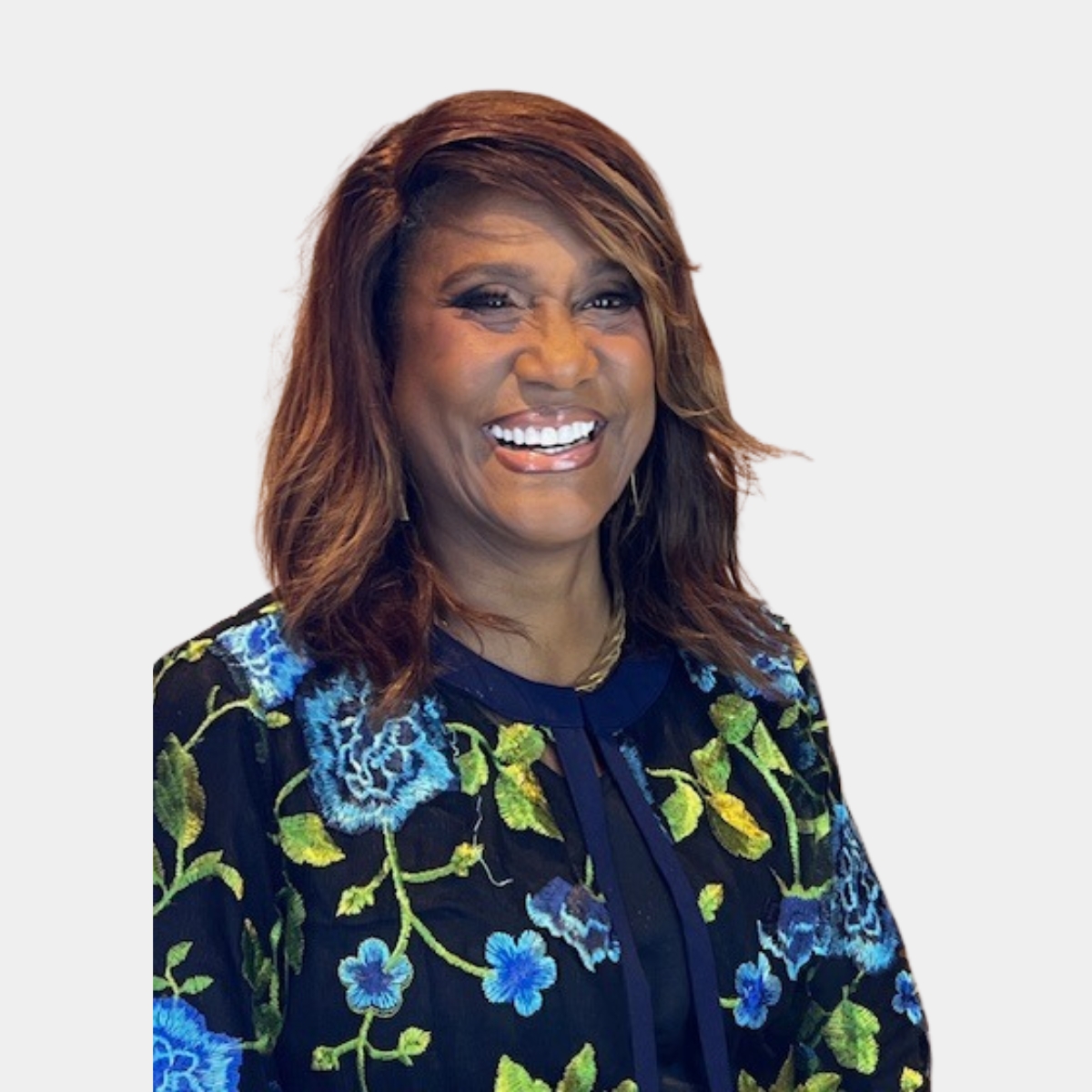
Article by
Franne McNeal
Franne McNeal, President, Significant Business Results LLC has helped 885+ small business owners collectively create 15,000 jobs and nearly $11 billion in revenue. We help architecture, engineering, and construction industry business owners with $1M-$20M in annual revenue, transform founder-dependent businesses into scalable, high-value enterprises. We solve the problems of low margins, inconsistent revenue and pressure to lower prices, by helping clients create a business that is an asset (one that runs without them), based on a proven system 8-pillar framework to increase the value of a business by 71%. We empower owners to move from being indispensable operators to intentional builders of enduring businesses, so they create financial & personal freedom. Our clients focus their energy for action to achieve significant business results.