.png)
What is the uncomfortable truth about why your team can't make decisions without you?

Table of Contents
• The Mirror Test: Why Your 'Hero Status' is a Financial Liability
• The Structural Silence: How Vague Systems Breed Indecision
• Transitioning to Intentional Builder: Creating a Decision-Making Machine
The Mirror Test: Why Your 'Hero Status' is a Financial Liability
If you’re the owner of a successful Architecture, Engineering, or Construction (AEC) firm, you’re likely the most capable person in the room. You solve the toughest problems, your clients trust you implicitly, and your team relies on your final say. But what happens when every RFI, change order, or client call has to cross your desk before anything moves forward? You’ve developed ‘Owner Dependency’—a state where the business cannot function without your direct, daily involvement.
This creates a classic "Hub & Spoke" model, with you at the center. While it may feel like a sign of importance, it's a critical business vulnerability and a single point of failure. If you get sick, take a vacation, or simply want to focus on strategy, the entire operation grinds to a halt.
Here is the uncomfortable truth: Your team doesn't make decisions because you have trained them that their input is secondary to your approval.
Every time you jump in with a quick fix or override a subordinate’s choice, you reinforce the idea that their judgment isn't trusted. This isn't a flaw in your team; it's a flaw in the system you've built. This system, where you are the hero, directly lowers the value of your business. Acquirers don’t buy jobs; they buy assets. A firm that is completely reliant on its owner will sell for a significantly lower multiple because the buyer sees a high-risk operation, not a self-sustaining machine.
The Psychology of the Indispensable Operator
Many AEC leaders fall into the 'Expert Trap.' Your technical mastery is what built the firm, and letting go of that control feels counterintuitive. You know how to solve the problem faster and better than anyone else. This hero mindset provides a short-term ego boost but guarantees long-term operational chaos. You remain an operator, stuck in the day-to-day, instead of evolving into a strategic leader who builds enterprise value.
Decision Fatigue and the AEC Bottleneck
In today's high-stakes environment, with rising material costs and tight project timelines, the pressure is immense. Your instinct is to hold high-stakes financial decisions close to protect the bottom line. However, this creates a bottleneck. While you are busy approving minor expenses, you're also silently sabotaging your team's growth. They never develop "decision-making muscles" because you are always doing the heavy lifting for them. Your constant intervention prevents them from learning, failing in small ways, and ultimately, growing into leaders.
The Structural Silence: How Vague Systems Breed Indecision
Your team’s hesitation isn't a sign of incompetence; it's often a logical response to a lack of clarity. In a volatile market with labor shortages and unpredictable supply chains, the fear of making a costly mistake is paralyzing. Without clear systems, your team is forced to guess what you would do, and the safest bet is to do nothing until you weigh in.
Indecision is a symptom of missing frameworks. When your team doesn't have Key Performance Indicators (KPIs) or clear guardrails, they have no objective way to measure a "good" decision. The rules for success exist only in your head. This is especially dangerous in the AEC industry, where regulatory compliance is non-negotiable. If your team isn't certain about the standards, they will defer to you every time to avoid catastrophic risk.
Documented Playbooks vs. Verbal Instructions
AEC firms with revenue between $1M and $20M often outgrow their "verbal culture." What worked with a team of five breaks down with a team of twenty. Relying on verbal instructions creates inconsistency and risk. Documented, productized processes give your team a roadmap. They provide the confidence to act because they know they are following a proven system—your system. This is the foundation for building a business that is a true asset, not just a job dependent on your presence. If you're unsure where to start, it's crucial to understand the core drivers that create a sellable business.
Internal Link
Learn how the 8 key drivers determine if your firm is an asset or just a job
The Cost of Inconsistent Revenue on Team Confidence
When cash flow is unpredictable, every expense feels monumental. This financial instability makes team members hesitant to approve project expenses or hire subcontractors without your sign-off. They fear making a decision that could put the company in a precarious position. The solution is to establish clear financial guardrails. By providing your team with budgets and spending authority within those limits, you can shift the culture from "asking for permission" to "reporting on action." This empowers them to make timely decisions while giving you the oversight you need.
Transitioning to Intentional Builder: Creating a Decision-Making Machine
The solution is a conscious shift in your role: from the 'Indispensable Operator' to the 'Intentional Builder.' An operator is tethered to daily tasks; a builder focuses on creating systems that generate long-term value. Your goal is to build your firm into an asset that runs without you, a transition that can increase its value by up to 71%.
This transformation requires a structured approach. Using a proven methodology like The Value Builder System™, you can systematically identify which decisions can be delegated and what frameworks your team needs to make them successfully. It’s about building a machine that produces predictable results, whether you are in the office or not.
Are you ready to stop being the bottleneck and start building a truly scalable asset? The first step is to understand just how dependent your firm is on you.
Take the Value Builder Assessment to see how dependent your firm is on you.
Implementing the 8-Pillar Framework for Autonomy
Building an autonomous team doesn’t happen overnight. It requires a deliberate, step-by-step process focused on creating clarity and accountability.
Identify & Systematize Decisions
List the top 10 decisions you make daily. For the most frequent ones, create a simple 3-step decision-making framework your team can follow. This could be a checklist, a budget threshold, or a simple "if-then" scenario.
Set Clear KPIs
Define what a "win" looks like for each role and project. When your team knows the key metrics—like project margin, client satisfaction scores, or schedule adherence—they can make decisions that align with those goals without needing your constant validation.
Foster Peer-to-Peer Growth
Empower your emerging leaders to solve problems together. Creating opportunities for them to collaborate, such as in a mastermind environment, builds collective confidence and reduces their reliance on you as the sole source of answers.
Reducing Risk Through Team Accountability
As you build these systems, your management style will evolve. You will move from managing people to managing the systems that guide them. This operational efficiency is your greatest defense against market pressures to lower prices. When your firm runs smoothly and predictably, you protect your margins and deliver superior value.
The ultimate goal is not just a more valuable and sellable company; it's achieving financial and personal freedom. It’s the ability to choose your involvement, knowing that the firm you built is thriving, profitable, and secure—with or without you in the building.
Internal Link
Explore AEC business coaching to scale with fewer headaches
Frequently Asked Questions
Is it possible to delegate high-stakes AEC project decisions without increasing risk?
Yes, but only after you have implemented clear systems, KPIs, and decision-making frameworks. Delegation without structure is abdication and invites risk. Delegation with guardrails empowers your team and protects the business.
How do I know if my team is ready to make decisions without me?
They are ready when they have a documented playbook to follow and clear metrics to define success. Start with small, low-risk decisions and gradually increase their autonomy as they demonstrate competence within the established framework.
What is the first step to reducing owner dependency in an engineering or architecture firm?
The first step is to identify and document the most frequent decisions you make. Choose one repetitive task—like approving a specific type of expense or responding to a common RFI—and create a simple, written process for your team to handle it without you.
Why does owner dependency lower the value of my business when I'm ready to sell?
Buyers purchase future cash flow and operational systems, not a job. If the firm's success, client relationships, and critical knowledge reside solely with you, a potential acquirer sees a high-risk investment that will crumble the moment you exit.
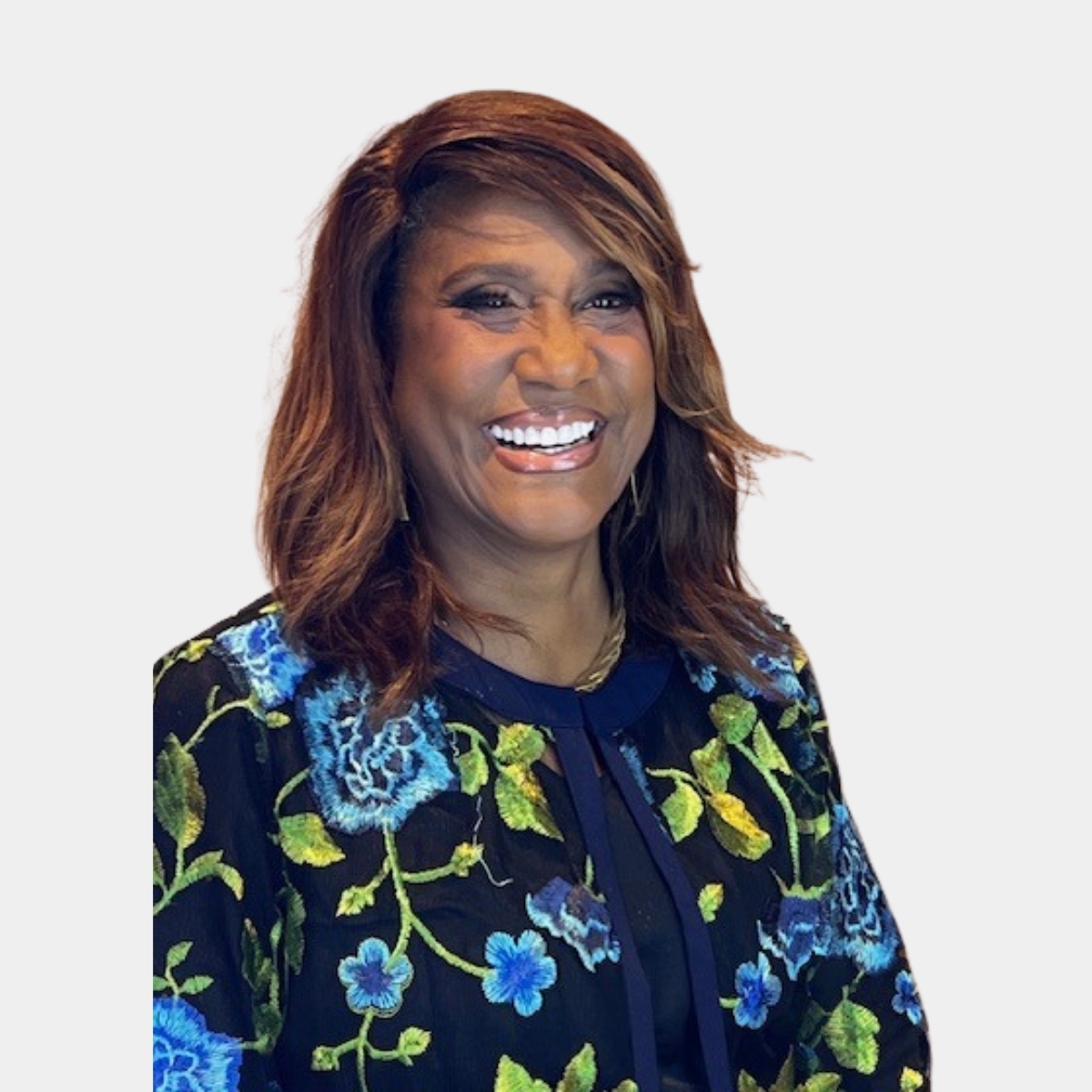
Article by
Franne McNeal
Franne McNeal, President, Significant Business Results LLC has helped 885+ small business owners collectively create 15,000 jobs and nearly $11 billion in revenue. We help architecture, engineering, and construction industry business owners with $1M-$20M in annual revenue, transform founder-dependent businesses into scalable, high-value enterprises. We solve the problems of low margins, inconsistent revenue and pressure to lower prices, by helping clients create a business that is an asset (one that runs without them), based on a proven system 8-pillar framework to increase the value of a business by 71%. We empower owners to move from being indispensable operators to intentional builders of enduring businesses, so they create financial & personal freedom. Our clients focus their energy for action to achieve significant business results.