.png)
Why do most Architecture, Engineering, or Construction business owners realize too late that they do not actually own a business?

You have dedicated years, perhaps decades, to mastering your craft. As an owner in the architecture, engineering, or construction (AEC) industry, your technical expertise is the foundation of your firm’s success. Yet, for many leaders of firms with $1M-$20M in revenue, a troubling realization emerges: the very expertise that built the company is now preventing it from becoming a true business asset. You’ve built a high-paying, high-stress job for yourself, not a self-sustaining enterprise.
The distinction is critical. A job requires your constant presence; an asset produces value independently. Many AEC owners discover this too late, finding themselves trapped in a business that cannot run, grow, or be sold without them. The unique thesis is this: in the AEC world, your technical brilliance is often the biggest barrier to building a sellable business asset. This article will explore why this happens and provide a clear framework for transitioning from an indispensable operator to an intentional builder of a valuable company.
Table of Contents
• The Invisible Wall: Why Your AEC Practice Isn’t Yet a Sellable Asset
• Three Signs You Are an Indispensable Operator (and Why It’s Killing Your Value)
• Building an Intentional Asset: The 8-Pillar Path to Freedom
The Invisible Wall: Why Your AEC Practice Isn’t Yet a Sellable Asset
The core issue lies in the difference between a professional practice and a genuine business. A practice revolves around the owner's personal skills, relationships, and daily efforts. A business, on the other hand, is built on systems, processes, and a team that can execute and deliver value consistently, with or without the founder's direct intervention. For many architects, engineers, and construction leaders, their technical mastery creates a "gilded cage"—a successful practice that generates income but has little to no market value as a standalone entity.
The Practice vs. The Asset
The "Practice" mindset is rooted in billable hours and individual craft. Success is measured by the quality of the projects you personally oversee and the clients you manage. The "Asset" mindset shifts the focus to creating scalable systems, developing a leadership team, and generating recurring value that isn't tied to one person's time. The ultimate test is simple. A sellable asset is a business that can thrive for six months without the owner's input.
This transition is not just about a future sale; it's about building a more resilient and profitable company today. An owner-dependent model is fragile, exposed to market chaos like rising costs, labor shortages, and high interest rates. A systems-driven business is structured to absorb these pressures.
Why AEC Owners Hit the Wall at $1M-$5M Revenue
The $1M-$5M revenue range is a common plateau for AEC firms. At this stage, the owner's capacity for personal oversight becomes a bottleneck—the "complexity ceiling." You can no longer be the Chief Doer, lead designer, primary salesperson, and head of HR. To break through, you must evolve into the strategic architect of the organization, focusing your energy on building the machine rather than being a cog within it. This requires a fundamental shift in perspective, one that many technically-minded founders struggle to make.
Three Signs You Are an Indispensable Operator (and Why It’s Killing Your Value)
Owner dependency is not just a lifestyle problem; it’s a direct threat to your company’s valuation. A potential buyer isn't purchasing your personal expertise; they are acquiring a system for generating profit. If you are the system, the value walks out the door with you. Here are three clear signs your indispensability is a liability.
The Rainmaker Trap
If you are the only person who can bring in significant new business, your firm is a high-risk investment. Buyers heavily discount companies where client relationships are tied to the founder, as there's no guarantee those clients will remain after a transition. This "goodwill" must be transferred from you as an individual to the brand itself through systematic marketing and a capable sales team. True architecture firm succession planning begins with building a brand that can attract clients on its own merits.
The Expertise Hub Problem
When every critical technical decision, design review, or project estimate must pass through your desk, you are the ultimate bottleneck. This not only slows down operations but also stifles the growth of your team. It signals to a buyer that the company lacks the internal expertise and documented processes to function independently. This constant need for your approval prevents scalability and makes your firm unattractive to acquirers who want a turnkey operation.
Systemic Inefficiency and the 'Chaos' Factor
The lack of delegation and standardized processes creates operational friction. This often leads to high staff turnover, inconsistent project delivery, and compressed margins. In today's economic climate, with pressures from interest rates and complex regulatory compliance, firms without streamlined systems are the first to suffer. The chaos isn't just a feeling; it has a real impact on valuation, a pattern we see consistently in our AEC Case Studies. Overcoming this requires a shift in mindset and a commitment to building robust operational frameworks, a topic explored in these Value Builder Videos.
Building an Intentional Asset: The 8-Pillar Path to Freedom
Moving from a founder-dependent practice to a valuable asset requires a deliberate, strategic approach. It’s not about working harder; it’s about working differently. The goal is to build a company that runs on a proven system, allowing you to transition from Operator to Builder and prioritize long-term strategy over daily tactics.
Leveraging the 8-Pillar Framework
The Value Builder System™ offers a proven 8-pillar framework designed to increase business value by up to 71%. It provides a clear roadmap for de-risking your company and making it a more attractive asset. For example, focusing on the ‘Financial Performance’ driver helps you establish predictable profitability, while strengthening the ‘Hub & Spoke’ driver ensures your business is not overly dependent on any one employee, customer, or supplier—including you.
The first step is diagnosis. Taking a confidential assessment like the Value Builder Score reveals hidden weaknesses across these eight drivers, giving you a precise, data-driven starting point for improvement. Remember this essential truth: Value is not found in what you do, but in how well the business does it without you.
Your Next Steps Toward Strategic Freedom
This transformation is a journey, not an overnight fix. It demands a new perspective and a commitment to strategic growth. For many AEC leaders, engaging with peers in an AEC Mastermind provides the accountability and external insights needed to break old habits. Executive coaching can also be instrumental in shifting from a day-to-day "survival" mindset to a forward-looking "growth" mindset focused on building systems and empowering a leadership team.
The path to personal and financial freedom begins with the intentional decision to build a business that can outlast you. By focusing on systems, cultivating a strong leadership team, and making yourself progressively redundant, you create a valuable, sellable asset—and secure your legacy.
Ready to start the transition? Download the 8 Key Drivers of Company Value eBook to begin building your AEC asset today.
Frequently Asked Questions
How do I know if my AEC firm is too dependent on me?
Ask yourself this question: Could you take a six-month, completely unplugged vacation without your company's revenue, client relationships, or project quality declining significantly? If the answer is no, your firm is likely too dependent on you. Other signs include being the primary rainmaker, the final decision-maker on all key projects, and the person your team turns to for every problem.
Can I really sell an architecture or engineering firm if I am the lead designer?
Yes, but only if you strategically transfer your design philosophy and client management processes into a system your team can replicate. This involves documenting your methodology, training a successor or design leadership team, and gradually shifting key client relationships to them. A buyer is acquiring your firm's unique approach, not just your personal talent.
What are the most important KPIs for a construction company looking to scale?
Beyond revenue and profit margin, focus on KPIs that measure operational independence and predictability. Key metrics include: 1) Percentage of revenue from recurring or master service agreements, 2) Customer satisfaction scores (e.g., Net Promoter Score) to measure brand loyalty beyond your personal relationships, and 3) Employee turnover rate, which indicates the stability of your team.
How long does it typically take to transition from an operator to a builder?
The transition is a multi-year process, typically taking between two to five years of focused effort. The timeline depends on your firm's current level of owner dependency, your commitment to implementing systems, and your willingness to empower a leadership team. It's a gradual process of building systems, delegating responsibility, and strategically removing yourself from daily operations.
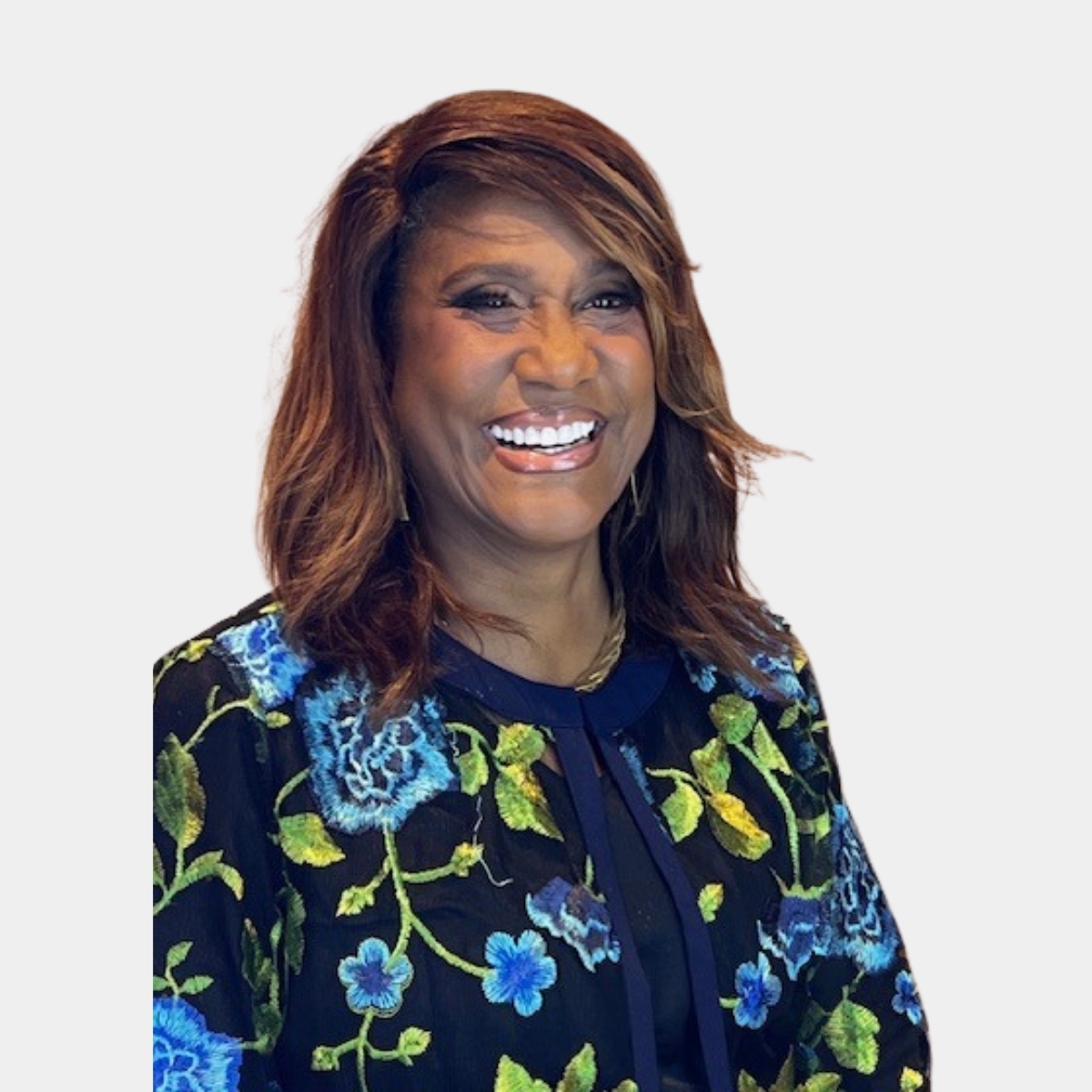
Article by
Franne McNeal
Franne McNeal, President, Significant Business Results LLC has helped 885+ small business owners collectively create 15,000 jobs and nearly $11 billion in revenue. We help architecture, engineering, and construction industry business owners with $1M-$20M in annual revenue, transform founder-dependent businesses into scalable, high-value enterprises. We solve the problems of low margins, inconsistent revenue and pressure to lower prices, by helping clients create a business that is an asset (one that runs without them), based on a proven system 8-pillar framework to increase the value of a business by 71%. We empower owners to move from being indispensable operators to intentional builders of enduring businesses, so they create financial & personal freedom. Our clients focus their energy for action to achieve significant business results.