.png)
Why does building your business on relationships and expertise make it nearly impossible to sell?

Table of Contents
• The Rainmaker Trap: Why Your AEC Expertise is Devaluing Your Firm
• From Indispensable Operator to Intentional Builder: The 8-Pillar Framework
• Productizing Expertise: Institutionalizing Relationships for a Successful Exit
The Rainmaker Trap: Why Your AEC Expertise is Devaluing Your Firm
For decades, leaders in the architecture, engineering, and construction (AEC) industry have been told that their value is synonymous with their expertise. Your reputation, your client relationships, and your technical mastery are the foundations upon which your firm was built. But what if those very foundations are preventing you from building a sellable asset? The hard truth is that a business built on the founder's personal brand is not a business at all—it is a high-stakes job with immense personal risk.
There is a fundamental difference between a "job" and an "asset." A job, even a high-paying one where you are the owner, requires your constant presence to generate revenue. An asset generates revenue independently. In the AEC world, an expertise-led firm is a job; when you leave, the value leaves with you. A systems-led firm is an asset; its value is embedded in its processes, team, and brand, making it a desirable acquisition target.
This critical distinction leads to "Founder Dependency," a condition that creates a glass ceiling for AEC firms, often preventing them from scaling past the $5 million revenue mark. When one person is the primary rainmaker, chief technical expert, and final decision-maker, the business cannot grow beyond their personal capacity. From a buyer's perspective, this isn't a strength; it's a liability. Your 30 years of indispensable expertise are viewed as a "key man risk"—the single point of failure that could cripple the company post-acquisition.
This "indispensable operator" mindset, while born from dedication, ultimately leads to inconsistent revenue, low margins, and a business that cannot function without you. It is the primary reason why so many respected AEC firms fail to attract serious buyers or sell for a fraction of their perceived worth.
The High Cost of Being the Primary Relationship Holder
When clients are loyal to you and not your firm, the business is perpetually fragile. Your personal bonds, while excellent for securing initial projects, become chains that tie the firm's success to your availability. If you take a two-week vacation, does the sales pipeline dry up? If you are ill, do key decisions grind to a halt? This is the reality of an owner-led sales model. It not only creates a bottleneck but also undermines team accountability and contributes to labor shortages, as employees are never fully empowered to manage client relationships.
Owner Dependency is the single greatest obstacle to a successful exit, as it makes the firm’s future revenue and client retention entirely contingent on the continued involvement of the one person who is trying to leave.
Why Expertise Without Systems is a Liability
In the AEC industry, technical excellence is non-negotiable. However, when that excellence resides only with the founder, it becomes a liability. Every project becomes a "bespoke" service, requiring your personal review and approval at every critical stage. This is not scalable. It creates bottlenecks that delay projects, frustrate clients, and burn out your team. Furthermore, complex issues like regulatory compliance and technical specifications become significant risks when they are not managed through standardized, documented systems. Without robust processes, your firm's quality and reputation are only as good as your last personal intervention.
From Indispensable Operator to Intentional Builder: The 8-Pillar Framework
Transitioning from a founder-dependent firm to a sellable asset requires a deliberate shift in mindset—from being an indispensable operator to an intentional builder. This is not about working harder; it is about building smarter. The key is to implement a proven structure that systematically reduces the business's reliance on you. A structured approach, like the 8-pillar framework of The Value Builder System™, has been shown to increase a company's value by an average of 71% by focusing on the core drivers that buyers seek.
One of the most critical pillars for AEC leaders to address is the "Hub & Spoke" model, where the owner is the hub and all operations, decisions, and relationships are spokes. Breaking this model is the first step toward building a business that can thrive without you. It involves creating durable organizational structures that distribute responsibility and empower your team.
This strategic shift also directly addresses AEC-specific pressures. When you have reliable systems, you can better manage cash flow, navigate rising interest rates, and make data-driven decisions based on clear performance metrics. Instead of constantly fighting fires, you can focus your energy on high-level strategic actions that drive what we call "Significant Business Results."
The Hub & Spoke Audit for AEC Leaders
To dismantle the Hub & Spoke model, you must first identify where it exists. Begin by auditing your daily and weekly activities. Which processes currently require your "expert" stamp of approval? Make a list of every decision, from proposal sign-offs to technical reviews, that cannot proceed without you. This audit will reveal your firm's true dependencies.
The next step is to build sustainable structures that empower your team. This means documenting key processes, delegating authority to project managers, and creating clear career paths for junior associates. When your team has the framework and the authority to make decisions, you are no longer the bottleneck. You are building a self-sufficient organization. To understand how dependent your business is on you, start with a clear diagnostic. Assess your firm’s current dependency with the Value Builder Score.
Scaling Operations and Improving Efficiency
Moving from the low margins of a founder-led "job shop" to the operational excellence of a scalable firm requires a new way of thinking. True efficiency is not about cutting costs; it is about optimizing systems. Engaging in structured peer-to-peer learning environments, such as the Significant Business Results Mastermind, allows AEC leaders to share best practices and align their teams on key goals. By learning from others who have successfully navigated this transition, you can implement proven strategies to improve project delivery, enhance profitability, and build a culture of accountability.
Productizing Expertise: Institutionalizing Relationships for a Successful Exit
The ultimate goal for any owner planning an exit is to create a business that is bigger than any single individual. This is achieved by "productizing" your services and institutionalizing your relationships. Productization is the process of turning your unique AEC services into a repeatable, teachable, and scalable system. Instead of relying on your personal expertise for every project, you develop a standardized methodology—a "way we do things here"—that ensures consistent, high-quality delivery regardless of who is leading the project.
Simultaneously, you must institutionalize client relationships. This means shifting the client's loyalty from you as a person to your firm as a brand. Implement a team-based approach to client management, use a CRM system to track all interactions, and ensure that multiple people within your organization are familiar with key accounts. When the brand, not the person, holds the value, the business becomes infinitely more attractive to a buyer.
This transformation does not happen overnight. Preparing for a transition is a multi-year process that must begin long before you plan to sell. It is a strategic journey that positions your firm as a peer to top-tier leadership, demonstrating competence and foresight that commands a premium valuation.
Steps to Decouple the Founder from the AEC Brand
Standardizing your firm's operations is the most effective way to ensure consistent revenue and decouple yourself from the brand. This involves creating a comprehensive playbook that documents everything from your sales process and project management methodology to your hiring and training protocols. A well-documented system proves to a buyer that the firm's success is repeatable.
Here is a simple checklist for the final 24 months before a planned exit:
Document Everything
Create standard operating procedures (SOPs) for at least 80% of your firm's functions.
Build a Leadership Team
Ensure you have a capable second-in-command and a management team that can run the daily operations without you.
Diversify Your Client Base
No single client should account for more than 15% of your total revenue.
Track Key Metrics
Establish and monitor key performance indicators (KPIs) that demonstrate consistent growth and profitability.
Clean Your Financials
Work with an accountant to present clear, professional financial statements for the past three years.
For more guidance on this process, you can explore resources and strategic planning sessions for AEC principals.
Achieving Financial and Personal Freedom
The journey from "Operator" to "Builder" is the ultimate test of leadership. It requires you to consciously make yourself redundant within the organization you created. It means trusting your team, empowering them through systems, and shifting your focus from doing the work to designing the business. This is how you achieve true financial and personal freedom—not just by building a successful firm, but by building one that no longer needs you.
A sellable AEC firm is one where the owner is the least important person in the daily operations of the business.
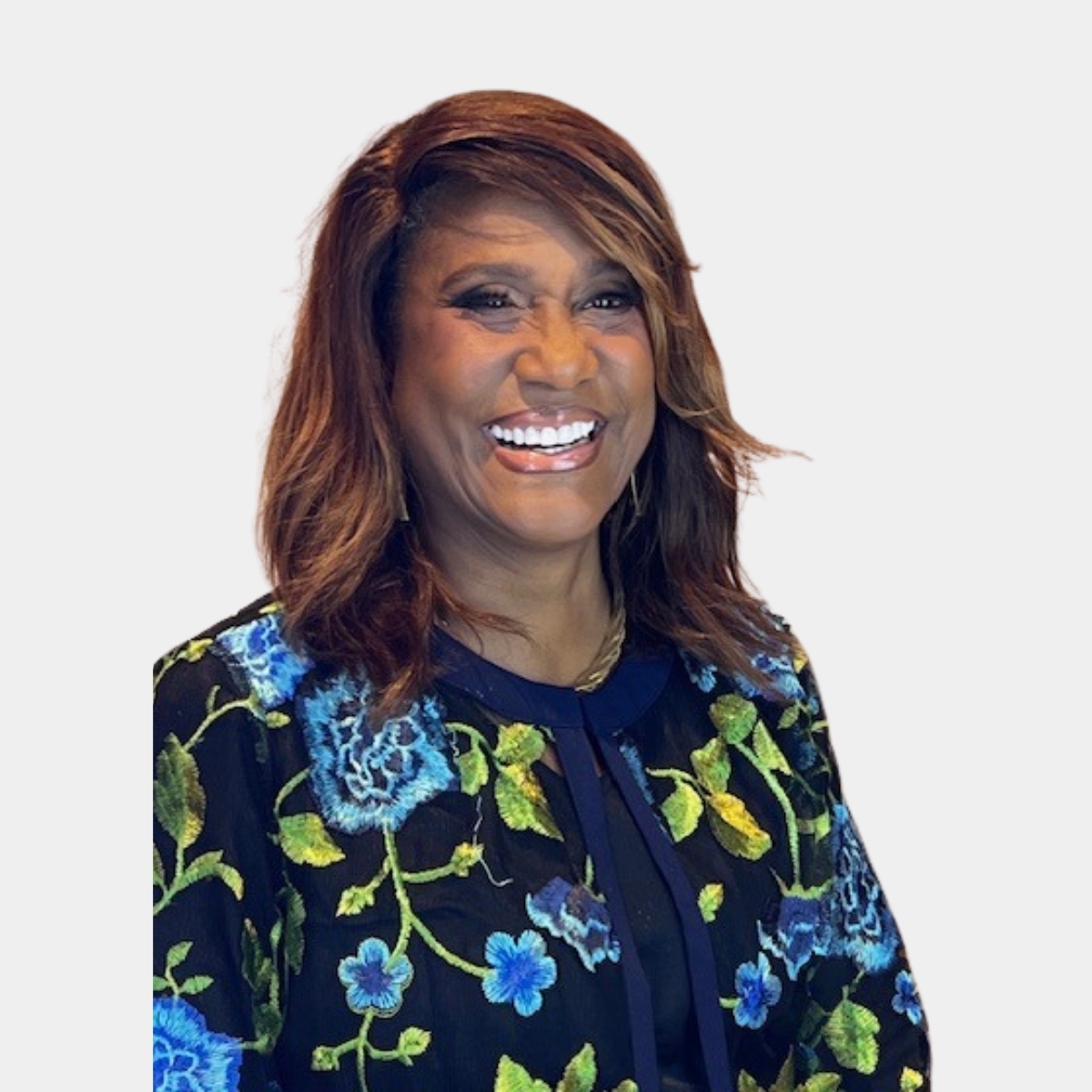
Article by
Franne McNeal
Franne McNeal, President, Significant Business Results LLC has helped 885+ small business owners collectively create 15,000 jobs and nearly $11 billion in revenue. We help architecture, engineering, and construction industry business owners with $1M-$20M in annual revenue, transform founder-dependent businesses into scalable, high-value enterprises. We solve the problems of low margins, inconsistent revenue and pressure to lower prices, by helping clients create a business that is an asset (one that runs without them), based on a proven system 8-pillar framework to increase the value of a business by 71%. We empower owners to move from being indispensable operators to intentional builders of enduring businesses, so they create financial & personal freedom. Our clients focus their energy for action to achieve significant business results.