.png)
Why hard-working Architecture, Engineering or Construction owners struggle to scale

Table of Contents
• The Indispensable Operator Trap: Why AEC Effort Doesn't Equal Asset Value
• The 8 Pillars of AEC Value: Transforming Effort into a Scalable Asset
• From Indispensable Operator to Intentional Builder: Your Action Plan
The Indispensable Operator Trap: Why AEC Effort Doesn't Equal Asset Value
In the Architecture, Engineering, and Construction (AEC) sectors, a paradoxical truth often emerges: the most technically proficient and hard-working owners frequently preside over the most fragile businesses. You are the "Indispensable Operator"—the founder whose design brilliance or engineering acumen is both the company's greatest asset and its most significant liability. Your expertise, the very quality that built your reputation, has inadvertently become the ceiling for your firm's growth and value.
This is the paradox of expertise. Being the best architect, engineer, or builder in the room ensures project quality but prevents the business from maturing into a sellable asset. Instead of building a company, you have built a high-stakes job for yourself. This trap is most evident in firms with revenues between $1M and $20M. On the surface, these businesses appear successful, yet they are often defined by a state of controlled chaos—high revenue masking dangerously low profit margins, inconsistent cash flow, and relentless pressure to lower bids to stay competitive. The "hard work" mindset that got you here, a relentless focus on project-to-project execution, is precisely what holds you back. The necessary shift is from this survival mode to one of strategic foresight, where every decision is weighed against its contribution to long-term, transferable value.
The Hidden Cost of Owner Dependency
When you are the primary rainmaker, the lead technical expert, and the final decision-maker on every critical issue, your business becomes inextricably linked to your personal capacity. This deep-seated owner dependency drastically reduces the "sellability" of your firm. Potential acquirers are not buying a functional business; they are attempting to purchase your personal reputation and workload, which is an unappealing and risky proposition. Your company operates on a "hub and spoke" model, with all activity revolving around you. If you were to take a two-week vacation, would operations grind to a halt? If the answer is yes, you do not own an asset; you own a job. In short, owner dependency is the single greatest driver of low business valuation in the AEC sector.
Navigating AEC Industry Pain Points
The AEC industry is fraught with systemic challenges that the "Indispensable Operator" is uniquely ill-equipped to solve. Low profit margins are accepted as standard, driven by a hyper-competitive bidding process that rewards the lowest price over the best value. This creates a race to the bottom, squeezing profitability and demanding more work for less reward. Compounding this pressure are persistent labor shortages and rising material costs, which place an even greater burden on the owner to oversee every detail and compensate for team deficiencies.
Simply "working harder" in this environment is a losing strategy. It only deepens the cycle of dependency, leading to burnout and further eroding margins as you lack the time for high-level strategic planning. The solution is not more effort; it is a fundamental change in the business model itself.
The 8 Pillars of AEC Value: Transforming Effort into a Scalable Asset
To break free from the operator trap, you must shift your focus from working in the business to working on it. This requires a transition from being an "Indispensable Operator" to an "Intentional Builder." The pathway for this transformation is a structured, proven framework built on The Value Builder System™, which identifies eight key drivers of company value. Firms that systematically improve their performance across these pillars have been shown to increase their value by an average of 71%.
This framework provides a roadmap to build a business that is stable, profitable, and ultimately, independent of you. While all eight pillars are critical, the journey begins with a focus on two foundational elements: Financial Performance and Growth Potential. These drivers force you to look beyond project revenue and begin building a resilient financial engine for your firm. By implementing this strategic approach, you can begin to convert your hard work into a tangible, high-value asset. To see how these drivers apply to your business, you can learn more about the 8 key drivers of company value and how they create a more resilient and profitable firm.
Pillar Spotlight: Recurring Revenue and Productization
Most AEC firms operate on a "one-and-done" project basis, creating a constant and exhausting hunt for new work. The "Intentional Builder" seeks to smooth out these revenue peaks and valleys by creating predictable, recurring revenue streams. For an architecture or engineering firm, this could mean establishing service and maintenance contracts, offering design retainers for long-term clients, or providing phased consulting services that extend beyond the initial build. By productizing services—packaging a common scope of work into a standardized offering with a fixed price and process—you reduce the need for custom, owner-led proposals for every engagement. This not only stabilizes cash flow but also diversifies your client base, reducing the risk of being over-reliant on a few large contracts.
Building Systems for Operational Excellence
A business that depends on individual heroics will never scale. The "Instruction Manual" pillar is about creating a company that runs on well-documented systems, not the owner's constant intervention. Documented processes for sales, project management, hiring, and financial controls are the backbone of a scalable enterprise. They ensure consistent quality, control costs, and empower your team to make decisions without you. When your team has a clear playbook to follow, you are no longer the bottleneck. This shift from owner-led chaos to system-led growth is the key to unlocking both your company's value and your personal freedom.
Consider the difference:
Sales
In an owner-led model, sales depend on the founder's network. In a system-led model, a documented sales process allows a team to generate and close leads predictably.
Project Delivery
An owner-led model requires the founder to review every drawing and approve every change order. A system-led model uses standardized project management protocols to ensure quality and profitability.
Talent Retention
In an owner-led firm, employees have no clear path for growth. A system-led firm has defined roles and career paths, creating a culture of empowerment and stability.
From Indispensable Operator to Intentional Builder: Your Action Plan
Making the transition from operator to builder is a deliberate process that requires a clear plan. It is not about abandoning your technical expertise but elevating your role from practitioner to strategist. The process begins with an honest assessment of where you are today and a clear vision for where you want to go.
Conduct a Value Assessment
The first step is to get a clear, objective baseline. Understanding your company's current value and, more importantly, its dependency score, gives you a starting point. This data-driven analysis will highlight the specific areas of your business that are holding you back.
Identify High-Impact Value Drivers
You cannot fix everything at once. Based on your assessment, identify the one or two pillars that, if improved, would have the most immediate and significant impact on your firm's value and your personal freedom. For many AEC owners, this often starts with creating recurring revenue or documenting key processes.
Transition Your Energy from Action to Strategy
Your primary role must shift from doing the work to designing the systems that do the work. This requires a different skillset and mindset. Executive leadership coaching provides the tools and accountability to help you navigate this transition, enabling you to lead your team with strategic foresight rather than reactive problem-solving.
The Path to Financial and Personal Freedom
Firms in the $1M-$20M revenue range are in the "sweet spot" for this transformation. They are large enough to have established a market presence but small enough to be agile and implement change effectively. The greatest challenge in this journey is often emotional. You must be willing to let go of the "Operator" identity that has defined your success for so long and embrace the new role of "Builder." This means trusting your team, empowering them with systems, and accepting that their way of completing a task may be different from yours, yet still effective. This is where specialized guidance becomes invaluable. Programs like AEC-specific coaching and mastermind groups provide a confidential environment to navigate these challenges with peers who understand your journey.
Achieving Significant Business Results
Aligning your leadership team around this new vision is critical for success. Structured strategic planning sessions ensure that everyone understands the goals and their role in achieving them. Furthermore, joining a mastermind group of other AEC leaders provides a powerful forum for peer-to-peer learning, allowing you to solve common challenges and accelerate your growth. The goal is to build a business that serves your life, not the other way around. The ultimate measure of your success will be when you have built an enterprise that thrives without your daily presence.
Your business should be an asset you choose to work in, not a prison you are forced to work in. The first step toward that freedom is understanding what your business is truly worth. Take the first step toward freedom by calculating your Value Builder Score.
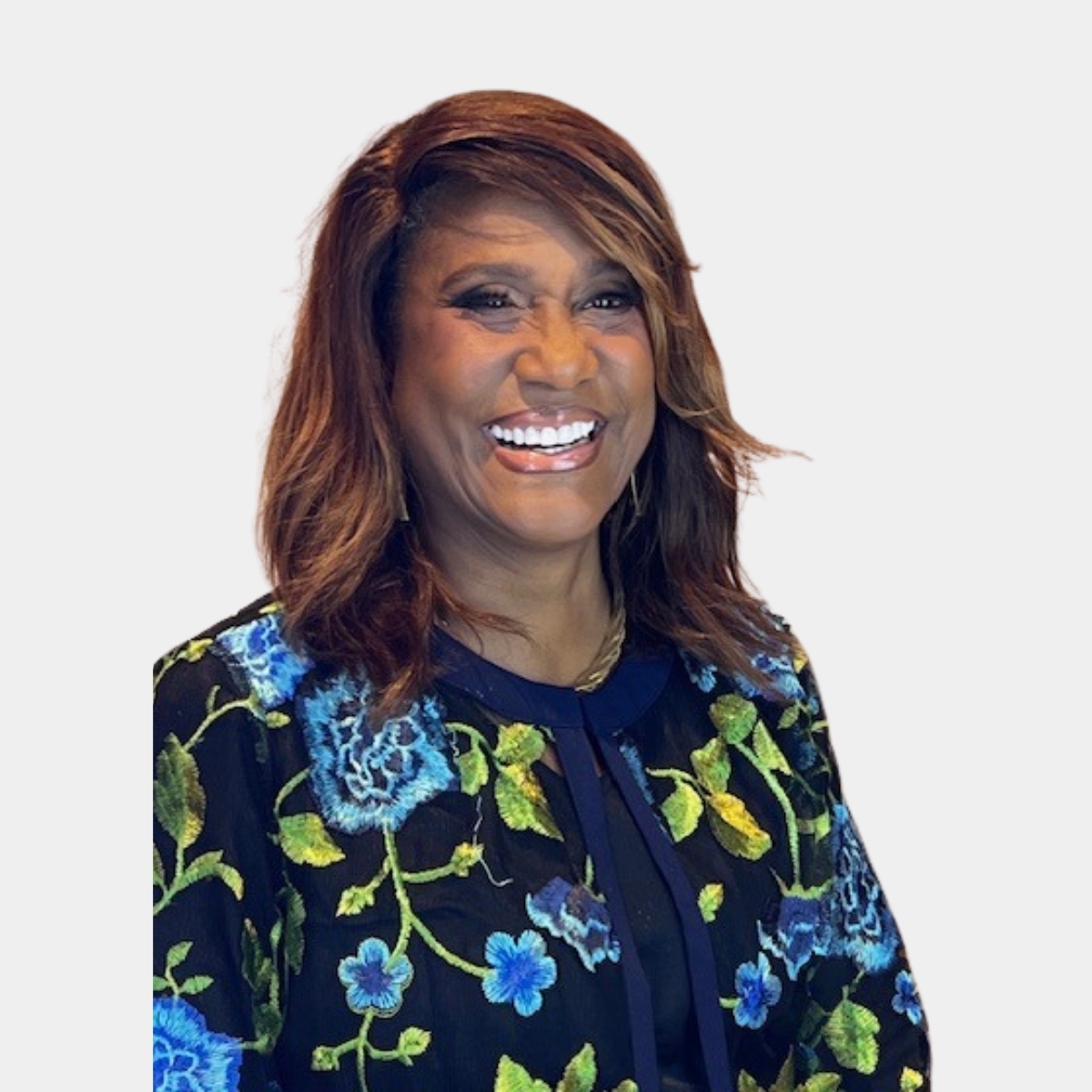
Article by
Franne McNeal
Franne McNeal, President, Significant Business Results LLC has helped 885+ small business owners collectively create 15,000 jobs and nearly $11 billion in revenue. We help architecture, engineering, and construction industry business owners with $1M-$20M in annual revenue, transform founder-dependent businesses into scalable, high-value enterprises. We solve the problems of low margins, inconsistent revenue and pressure to lower prices, by helping clients create a business that is an asset (one that runs without them), based on a proven system 8-pillar framework to increase the value of a business by 71%. We empower owners to move from being indispensable operators to intentional builders of enduring businesses, so they create financial & personal freedom. Our clients focus their energy for action to achieve significant business results.