.png)
Why is your reputation as a go-to expert actually your biggest business liability?

In the architecture, engineering, and construction (AEC) industry, your reputation is everything. Clients seek you out because you are the expert—the one with the technical mastery to solve complex problems and deliver high-stakes projects. This hard-won status feels like your greatest asset. But what if it’s actually your most significant liability?
For many AEC firm owners with revenues between $1M and $20M, the very expertise that built the business becomes a cage. When you are the only person who can close a major deal, solve a critical design challenge, or approve a final drawing, your company’s growth is permanently tethered to your personal capacity. You haven't built a business; you've created a high-stakes, high-stress job for yourself.
This is the paradox of the indispensable expert: the more critical you are to daily operations, the less valuable your business becomes as a standalone asset.
Table of Contents
• The Indispensable Expert Trap: Why Being the Bottleneck Stalls AEC Growth
• How Your Expert Reputation Devalues Your Firm During an Exit
• Building an Intentional Asset: The 8-Pillar Shift to Freedom
The Indispensable Expert Trap: Why Being the Bottleneck Stalls AEC Growth
The core issue is "Owner Dependency"—a condition where a firm cannot function effectively without the owner's direct involvement in nearly every decision. When you are the primary technical expert, you fall into the Expert Trap. Your team brings every complex problem to your desk, clients demand your personal attention, and your day is consumed by "doing the work" instead of building the business. This caps your firm’s growth at the limit of your personal bandwidth.
In today's volatile AEC market, this dependency is more dangerous than ever. Rising material costs, persistent labor shortages, and unpredictable cash flow create a chaotic environment. As an "Indispensable Operator," you are constantly fighting fires. An "Intentional Builder," however, focuses on designing a system—a well-run firm that can navigate this chaos without relying on your heroic efforts.
The Hidden Cost of Being the "Go-To" Person
When your firm’s primary product is your time, your revenue becomes erratic and your profit margins shrink. You can only be in one place at a time, leading to project bottlenecks and inconsistent delivery. This pressure often forces you to lower prices just to keep the pipeline full, commoditizing your expertise. For AEC principals in the $1M-$20M range, this is a direct path to burnout. The high-stakes nature of technical work encourages micromanagement, which stifles your team’s growth and ensures they never develop the confidence to lead.
How Your Expert Reputation Devalues Your Firm During an Exit
From a buyer's perspective, a business that revolves around its owner is a high-risk investment. When an acquirer evaluates your firm, they are not buying your personal expertise; they are buying your systems, your team, and your predictable, recurring revenue. If your reputation is the main asset, what happens when you leave? The value leaves with you.
This is known as "Key Person Risk," and it’s a major red flag for potential buyers. A "hub-and-spoke" management style, where all decisions flow through you, signals to an acquirer that the business lacks a sustainable structure. They see a company that will crumble once the "hub" is removed. A business that requires you to function is not a sellable asset—it is a job that cannot be transferred.
The Valuation Gap: Personal vs. Brand Equity
Does your firm have a reputation, or do you? If clients say, "I only work with [Your Name]," your brand equity is personal, not corporate. True company value is built on systems, processes, and a team that delivers consistent results, regardless of who is in the owner’s chair. This is the difference between a practice and a business.
Owner dependency directly impacts your company’s valuation. The first step to understanding this gap is to measure it. The Value Builder Score assesses your company across eight key drivers, revealing how dependent it is on you and providing a clear picture of its current sellability.
Why "Expert Status" Is a Liability in Succession Planning
Even if you plan an internal transition, owner dependency creates significant hurdles. When the next generation of leaders has never been truly empowered to make critical decisions, they are unprepared to take the reins. The transition becomes fraught with risk, as employees and clients alike may lose confidence without you at the helm. This fear of losing key accounts often keeps owners trapped in their roles years after they intended to step back. A successful succession requires a business that can stand on its own. For a deeper look into this, explore the essentials of building a firm that thrives without you.
Building an Intentional Asset: The 8-Pillar Shift to Freedom
Breaking free from the Expert Trap requires a strategic shift from operator to owner. It means transforming your expertise from a service you personally deliver into a system your company executes. The roadmap for this transformation is a proven framework designed to increase your company’s value and reduce its reliance on you.
The 8-Pillar Framework of Company Value is a system proven to increase business value by an average of 71%. It provides a clear methodology for strengthening your business in the areas that buyers care about most. A critical pillar is dismantling the "Hub & Spoke" model by empowering a leadership team to manage daily operations, freeing you to focus on strategic growth.
Another key strategy is "productizing" your services. By creating standardized processes, checklists, and service packages, you capture your expert knowledge within a repeatable system. This reduces the need for your bespoke input on every project and allows your team to deliver high-quality work consistently.
Steps to Reduce Owner Dependency
Transitioning from indispensable expert to intentional builder is a deliberate process. Here are the first steps:
Delegate and Elevate
Start by identifying low-value tasks that consume your time. Delegate them to your team to improve operational efficiency and free yourself for high-level strategic work.
Systematize Your Expertise
Document your core processes. Create standard operating procedures (SOPs) that turn your unique knowledge into a company asset that anyone on your team can follow. This is the foundation of a scalable business.
Develop Your Leaders
Invest in your team's growth. Through structured programs like Executive Leadership Coaching, you can cultivate a self-managing team capable of running the firm without your constant oversight.
Achieving Financial and Personal Freedom
A business that runs without you is the ultimate asset. It provides you with the leverage to sell for maximum value, secure a strategic partner, or transition to a new role on your own terms. It gives you the financial and personal freedom you set out to achieve when you first started your firm.
Your legacy should not be that you were a great architect, engineer, or contractor. Your ultimate reputation should be that you built a great firm—one that continues to thrive long after you’ve stepped away.
Ready to see if your firm is a sellable asset or a demanding job? Take the Value Builder Assessment to identify your level of owner dependency and uncover the steps to building a more valuable company.
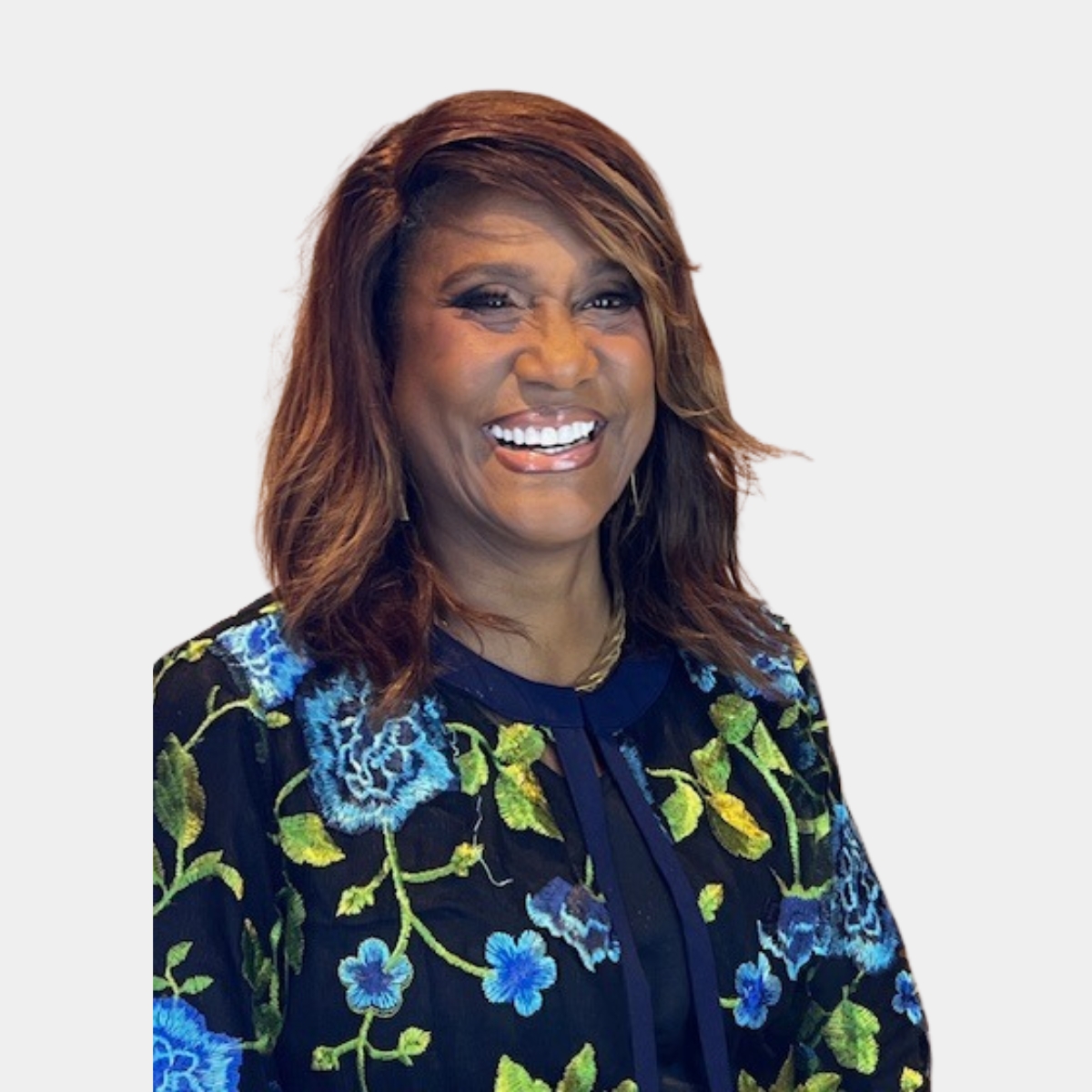
Article by
Franne McNeal
Franne McNeal, President, Significant Business Results LLC has helped 885+ small business owners collectively create 15,000 jobs and nearly $11 billion in revenue. We help architecture, engineering, and construction industry business owners with $1M-$20M in annual revenue, transform founder-dependent businesses into scalable, high-value enterprises. We solve the problems of low margins, inconsistent revenue and pressure to lower prices, by helping clients create a business that is an asset (one that runs without them), based on a proven system 8-pillar framework to increase the value of a business by 71%. We empower owners to move from being indispensable operators to intentional builders of enduring businesses, so they create financial & personal freedom. Our clients focus their energy for action to achieve significant business results.