.png)
Your best Engineer just handed in their resignation. Why?

The office door closes, and the silence is deafening. Your best engineer, the one who carried key projects and mentored junior staff, has just resigned. Your first thought is likely about a counteroffer—more money, a better title. But what if the problem isn’t the compensation? What if the real reason they’re leaving is an invisible burden they can no longer carry?
For many principals in the architecture, engineering, and construction (AEC) industry, this scenario is a painful reality. You’ve worked hard to build a firm that delivers exceptional technical work, yet you find yourself trapped in a cycle of losing top talent. The common assumption is that competitors are simply paying more. While salary is always a factor, the root cause is often deeper and more structural. High-performers don't just leave for a bigger paycheck; they flee firms where their growth is capped by the owner's own limitations.
They are leaving to escape the “chaos tax”—the hidden cost of working in a business that revolves entirely around its founder. This is the moment to stop treating a critical retention issue as a simple HR problem and start seeing it for what it is: a fundamental flaw in your business architecture.
Table of Contents
• The Chaos Tax: Why AEC Talent Flees Owner-Dependent Firms
• Implementing the 8-Pillar Framework to Reduce Friction and Retain Expertise
• From Operator to Intentional Builder: Securing Your Firm’s Future
The Chaos Tax: Why AEC Talent Flees Owner-Dependent Firms
In many successful AEC firms, the owner is the most skilled technician, the lead salesperson, and the ultimate quality control expert. You became the firm’s indispensable operator. While this hands-on approach likely drove your early success, it creates a significant bottleneck as you grow. Every major decision, every client issue, and every complex technical challenge lands on your desk. This creates a state of constant, low-grade chaos, and your team pays the price for it every day.
This is the Chaos Tax. It’s the invisible burden of inconsistent revenue, a lack of scalable systems, and an over-reliance on your personal involvement. Your best engineer feels it as project whiplash, unclear paths for advancement, and the frustration of waiting for your approval. They see a company that is just a series of high-stress jobs, not a cohesive organization with a clear future. Ambitious professionals don't want to work for a brilliant operator; they want to contribute to an intentional, well-run business.
The current AEC labor shortage only amplifies this internal pressure. When top talent has options, they will always choose the firm that offers stability, autonomy, and a clear vision over one that feels perpetually on the edge of a crisis. Your dependency becomes their ceiling.
The Burnout Cycle in Architecture and Engineering
The Chaos Tax manifests as a vicious burnout cycle. In the AEC world, price pressure and low margins often force owners to lean heavily on their most efficient engineers to keep projects profitable. Your best performer is also your most overworked. They are the hero who repeatedly saves the day, but "hero culture" is unsustainable. It leads directly to burnout.
This is compounded by the psychological weight of founder dependency. Senior staff with years of experience crave autonomy. They want to lead projects, make decisions, and feel a sense of ownership. When they constantly have to run things by you or see their initiatives stalled because you’re too busy, their professional drive withers. They begin to feel like highly paid technicians rather than future leaders. The only way to grow is to leave. Breaking this cycle requires a fundamental shift in your role—from reactive firefighter to strategic leader.
Implementing the 8-Pillar Framework to Reduce Friction and Retain Expertise
If owner dependency is the problem, then building a business that can thrive without your daily intervention is the solution. This isn't about working harder; it's about building a smarter, more resilient operational structure. The key is to transition your firm from a "hub-and-spoke" model, with you at the center, to a distributed system where talent is empowered and processes are clear.
This is where a proven methodology becomes essential. The 8-pillar framework is designed to transform your business into a valuable, scalable asset. It systematically addresses the core operational weaknesses that cause chaos and drive away top performers. By focusing on these pillars, you create an environment where your best people can do their best work.
Here’s how it directly addresses retention:
Reducing "Hub-and-Spoke" Dependency
By implementing clear systems and delegating true authority, you empower your senior engineers to lead. They are no longer just executing your vision; they are actively shaping the company's success. This is the autonomy they crave and the leadership experience they need to grow. For more on this, see our guide on Reducing Owner Dependency: The AEC Leader’s Path to Scalable Value.
Standardizing Operations
Documenting key processes—from project intake to final review—eliminates the need for constant "heroics." When everyone knows the playbook, your top engineer isn't a single point of failure. This reduces their personal burden and makes success a repeatable team effort, not an individual miracle.
Creating Recurring Revenue
Project-based revenue is inherently volatile. Building recurring revenue models, such as service contracts or long-term client agreements, creates financial stability. This stability translates directly into job security and a calmer work environment, making your firm a far more attractive place to build a career.
Turning Your Firm Into a Scalable Asset
A powerful realization for any AEC owner is that a business that is structured to be sellable is also an incredible place to work. Why? Because a sellable asset is, by definition, not dependent on its owner. It has reliable systems, a strong leadership team, and predictable performance. These are the very same qualities that attract and retain top-tier engineers.
Your best engineer doesn't want to be a cog in your machine; they want to be part of a high-performing system. When they see you actively building that system, they see a future for themselves within your firm. They see a path to leadership that isn't blocked by your presence.
Here is an actionable step you can take this month: Identify the top three tasks related to operations or client management that only you perform. Write down a step-by-step process for each, and identify a team member you can train to take one of them over. This small act of delegation is the first step toward building a truly independent firm. To understand all the factors that contribute to your firm's value and stability, you can diagnose your retention risks with The 8 Key Drivers of Company Value.
From Operator to Intentional Builder: Securing Your Firm’s Future
The resignation of your best engineer is a clear and urgent signal. It’s a diagnostic tool telling you that your current model is no longer sustainable. Continuing as the "smartest person in the room"—the ultimate problem-solver—will only lead to more departures and personal burnout. The path forward requires a profound identity shift: from being the firm's primary operator to becoming the architect of its future.
An intentional builder focuses their energy not on doing the work, but on designing the system that does the work. They create the structures, processes, and culture that allow others to excel. This transition is one of the most challenging a founder can make, moving from the comfort of technical expertise to the ambiguity of strategic leadership. It’s a journey from chaos to asset, and it’s not one you have to take alone.
AEC leaders who successfully navigate this shift often do so with the support of a structured environment like a Significant Business Results Mastermind, where they can learn from peers who face the same challenges. They engage in structured strategic planning that is proven to increase business value—often by as much as 71%—by systematically strengthening the 8 pillars of a valuable company. Ultimately, the most expensive hiring mistake isn't a bad hire; it is losing a senior engineer they did not see leaving.
Strategic Coaching for Long-Term AEC Value
Transforming your role and your firm's operating model is a strategic endeavor. Executive Leadership Coaching provides the focused guidance needed to implement these changes effectively. It’s about creating a clear roadmap to move from a $1M firm to a $20M firm without a corresponding increase in your personal workload. It’s about building a business that generates not just profit, but personal and financial freedom.
The departure of your best engineer doesn't have to be a catastrophe. Instead, let it be the catalyst for building a stronger, more resilient, and more valuable firm—one that top talent is eager to join, not desperate to leave.
To understand where your business stands today and identify your biggest risks, the first step is to get a clear, objective assessment. Take the Value Builder Assessment to see your score across the 8 key drivers and begin your journey from operator to owner.
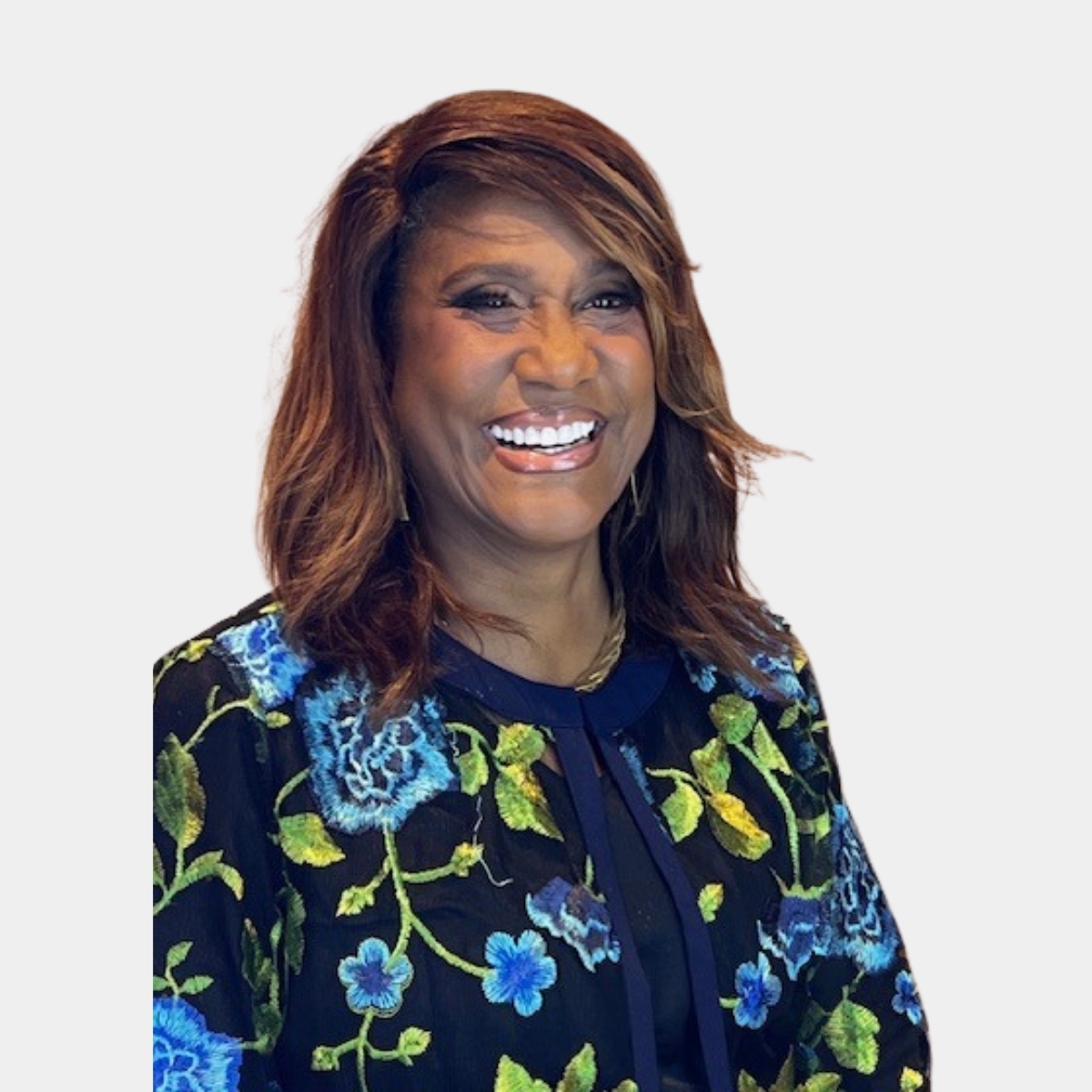
Article by
Franne McNeal
Franne McNeal, President, Significant Business Results LLC has helped 885+ small business owners collectively create 15,000 jobs and nearly $11 billion in revenue. We help architecture, engineering, and construction industry business owners with $1M-$20M in annual revenue, transform founder-dependent businesses into scalable, high-value enterprises. We solve the problems of low margins, inconsistent revenue and pressure to lower prices, by helping clients create a business that is an asset (one that runs without them), based on a proven system 8-pillar framework to increase the value of a business by 71%. We empower owners to move from being indispensable operators to intentional builders of enduring businesses, so they create financial & personal freedom. Our clients focus their energy for action to achieve significant business results.