.png)
Architecture Firm operations management: Transitioning from operator to asset builder

Table of Contents
• The Evolution of Architecture Firm Operations Management: Beyond Daily Tasks
• The 8-Pillar Framework for Scaling AEC Operational Value
• Operational Implementation: Building a Firm That Runs Without You
The Evolution of Architecture Firm Operations Management: Beyond Daily Tasks
For many founders in the Architecture, Engineering, and Construction (AEC) industry, operations management is synonymous with project management—the day-to-day oversight of timelines, budgets, and deliverables. This perspective, however, is a critical limitation. True architecture firm operations management is not about managing projects; it is the strategic architecture of the business itself. It involves designing and implementing the systems, processes, and structures that allow the firm to function efficiently, scale predictably, and generate value independent of any single person, including the founder.
Many successful firm owners find themselves caught in the "Indispensable Operator" trap. They have built a reputation on their expertise and relationships, but in doing so, they have become the central hub for every critical decision and client interaction. This creates a bottleneck that stifles growth, leads to owner burnout, and ultimately makes the business unsellable. The firm becomes a high-stress job, not a valuable asset. The alternative is to adopt the "Intentional Builder" mindset—a perspective focused on creating a resilient, self-sustaining organization. This transition is the key to solving the industry's most persistent pains, such as low profit margins, inconsistent revenue streams, and the constant pressure to lower prices in a competitive market.
The Indispensable Operator vs. The Intentional Builder
An operator-dependent firm exhibits clear symptoms: the owner is the first to arrive and the last to leave, vacations are impossible, and growth has plateaued because the founder’s capacity is the firm’s ceiling. Every new opportunity brings more work for the owner, not more freedom. This dependency is a significant liability, detailed in the risks of being an irreplaceable business owner. The Intentional Builder, in contrast, focuses their energy on organizational cohesion, performance metrics, and systemization. They work on the business, not just in it, delegating tasks and empowering a leadership team to drive daily progress. Their goal is to replace themselves with robust systems. Ultimately, a firm’s operational maturity directly correlates to reduced owner stress and increased enterprise value.
Operational Efficiency as a Risk Mitigation Strategy
In the volatile AEC landscape, strong operations management is a powerful form of risk mitigation. Standardized systems for client intake, project execution, and financial oversight create consistency and predictability. This internal stability protects the firm from external threats like labor shortages and subcontracting limitations by making processes teachable and repeatable, reducing reliance on specific individuals. Furthermore, disciplined operational frameworks are essential for managing cash flow, a notorious challenge in project-based industries. By systemizing invoicing, collections, and expense management, a firm can maintain financial health and ensure it meets all regulatory compliance standards without constant, panicked oversight from the owner. Efficient operations build a fortress of stability around the business.
The 8-Pillar Framework for Scaling AEC Operational Value
Transitioning from an operator to a builder requires a clear roadmap. The Value Builder System™ provides this with a proven 8-pillar framework designed to systematically increase a company’s value. Firms that implement this system see their value increase by an average of 71%. This framework provides a comprehensive approach to architecture firm operations management, turning a founder-dependent practice into a scalable, high-value asset. Two of the most critical pillars for AEC firm owners are reducing owner dependency and establishing recurring revenue streams.
The "Hub and Spoke" pillar directly addresses the problem of owner dependency. If a business cannot function without its founder at the center of all major decisions and relationships, it has very little value to a potential acquirer. The framework provides structured methods for delegating responsibility, empowering a leadership team, and creating systems that run the business. Similarly, the "Recurring Revenue" pillar offers a potent solution to the inconsistent cash flow common in the design sector. By developing service contracts, retainers, or other predictable income models, a firm can smooth out revenue cycles, improve financial forecasting, and become a more stable and attractive business.
For a deeper dive into all eight drivers, you can download the complimentary 8 Drivers of Company Value eBook for technical guidance on each pillar.
Reducing Owner Dependency Through Systemization
The core task of the Intentional Builder is to create a business that can thrive without them. This begins with systemizing and productizing your services. By defining a clear, repeatable process for delivering your firm’s core offerings, you make the work easier to teach, delegate, and scale. This transforms your unique expertise into a company asset. The next step is delegating high-level strategic decisions, not just administrative tasks, to a capable leadership team. This requires trust, clear communication, and well-defined roles. A business that can run without its founder is the ultimate asset, offering both financial rewards and personal freedom.
Optimizing Revenue and Long-Term Performance
Many AEC firms suffer from the "Valuation Teeter-Totter," where a single client accounts for a disproportionate amount of revenue. This creates immense risk and suppresses the firm's value. The 8-pillar framework addresses this through pillars like "Monopoly Control," which helps firms differentiate themselves beyond price. By establishing a unique and defensible position in the market, your firm can command higher margins and resist the commoditization that erodes profitability. Optimizing long-term performance requires a clear-eyed assessment of your firm's operational strengths and weaknesses. The first step is understanding your current baseline. We encourage owners to get their Value Builder Score to identify the specific operational gaps that are holding their business back.
Operational Implementation: Building a Firm That Runs Without You
Developing a strategic plan is only the first step; the real challenge lies in execution. The transition from high-level strategy to daily operational reality is where most firms falter. Organizations often benefit from partnering with
for the strategic guidance and execution support needed to overcome growth obstacles during this phase. Success requires a fundamental shift in the owner's role—from the primary "doer" to the chief "leader" and strategist. This evolution is often the most difficult part of the journey and is rarely achieved in isolation. It requires dedicated focus, external perspective, and unwavering accountability.
Executive leadership coaching is essential for navigating this transition. A coach provides the guidance and support needed to develop new leadership habits, learn to delegate effectively, and hold the team accountable to performance metrics. To reinforce these changes, a mastermind group offers a powerful environment for peer-to-peer accountability. Sharing challenges and successes with other AEC firm owners who are on the same path creates a unique support system that accelerates progress. The Significant Business Results Mastermind provides a structured vehicle for implementing these systems and achieving your operational goals.
Strategic Planning for AEC Leadership Teams
For operations to be truly effective, the entire leadership team must be aligned. A successful strategic planning session moves beyond abstract growth concepts and focuses on practical, bottom-line applications. The objective is to establish a handful of key operational KPIs (Key Performance Indicators) that the entire organization will rally around. This ensures organizational cohesion, as every department understands how its work contributes to the firm's primary objectives. When the leadership team is unified and focused on the same measurable outcomes, the founder is no longer the sole driver of progress.
Preparing for Freedom and Future Transitions
Ultimately, disciplined architecture firm operations management is about creating options. When a firm can run smoothly and profitably without its founder, that owner gains true freedom—both financial and personal. Exit readiness is not a separate, last-minute activity; it is the natural byproduct of excellent operations. A business with documented systems, a strong leadership team, and predictable cash flow is a valuable, sellable asset, whether you plan to transition in two years or twenty. It provides the founder with the choice to sell, scale, or step back into a purely strategic role. Intentional builders achieve significant business results because they understand that disciplined operations are the foundation of a business that lasts.
Discover how to build a business that runs without you with Significant Business Results.
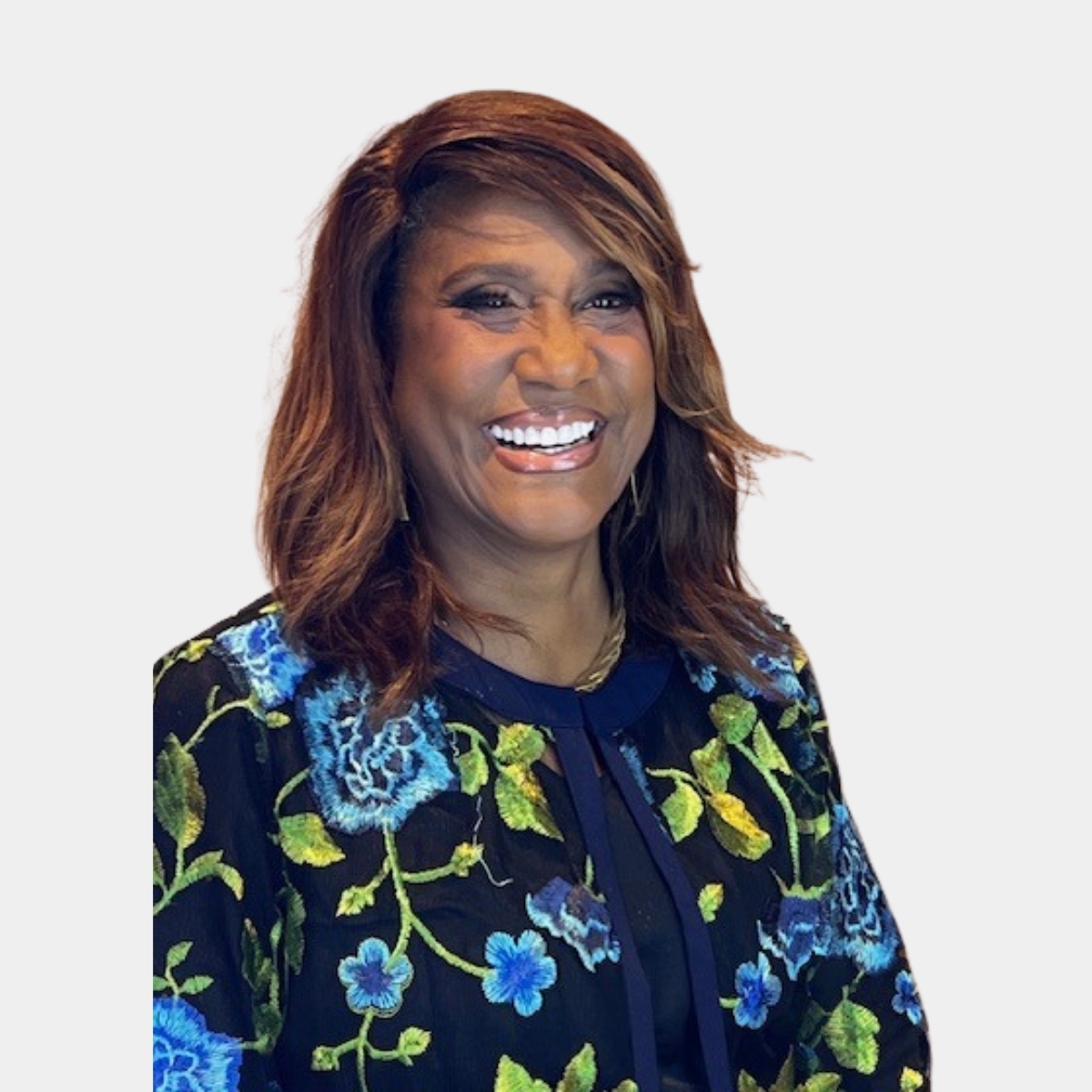
Article by
Franne McNeal
Franne McNeal, President, Significant Business Results LLC has helped 885+ small business owners collectively create 15,000 jobs and nearly $11 billion in revenue. We help architecture, engineering, and construction industry business owners with $1M-$20M in annual revenue, transform founder-dependent businesses into scalable, high-value enterprises. We solve the problems of low margins, inconsistent revenue and pressure to lower prices, by helping clients create a business that is an asset (one that runs without them), based on a proven system 8-pillar framework to increase the value of a business by 71%. We empower owners to move from being indispensable operators to intentional builders of enduring businesses, so they create financial & personal freedom. Our clients focus their energy for action to achieve significant business results.