.png)
How to improve profit margins in architecture, engineering or construction firms

Table of Contents
• Beyond the Bid: Why Tactical Margin-Hacking Fails AEC Owners
• The 8-Pillar Framework: Building Structural Profitability
• From Indispensable Operator to Intentional Builder: Executing the Shift
Beyond the Bid: Why Tactical Margin-Hacking Fails AEC Owners
For many owners in the architecture, engineering, and construction (AEC) industries, the path to improving profit margins feels like a constant battle fought on project ledgers. You trim costs, negotiate harder with suppliers, and sharpen your bids, yet the bottom line remains stubbornly thin. Despite high revenue and a full project pipeline, you are working harder than ever for diminishing returns. This relentless cycle is a symptom of a deeper structural problem: the "Operator Trap."
The Operator Trap occurs when a business is so dependent on its owner for sales, project management, and critical decisions that it cannot function—let alone grow—without them. You have built a demanding job, not a scalable asset. In this model, inconsistent revenue and intense price pressure are not merely "market conditions"; they are the direct result of a business structure that relies on one person's capacity. True, sustainable profitability is achieved when the business itself, through its systems and people, does the work.
A business that can run without its owner is not just more valuable; it is inherently more profitable because it is built on efficient, repeatable systems rather than one person’s finite energy and time.
The High Cost of the Indispensable Owner
When the owner is the primary rainmaker and chief problem-solver, they become the firm’s most significant bottleneck. Every decision deferred until you can review it, every client relationship that only you can manage, and every fire that only you can extinguish erodes your margins through delays and operational friction. The Indispensable Operator is the primary risk factor for an AEC firm's valuation and profitability.
This dependency prevents your team from taking ownership, stifles scalability, and keeps you tethered to daily operations. The first step toward structural profitability is identifying and dismantling these bottlenecks. Partnering with specialized AEC business coaching can provide the external perspective needed to see where the constraints truly lie and develop a strategy to empower your team.
Moving from Project-to-Project to Predictable Performance
The traditional AEC business model often creates a "lumpy" and unpredictable revenue stream. You close a large project and revenue spikes, followed by a frantic search for the next one. This feast-or-famine cycle forces you to compete on price just to keep cash flowing, further compressing your margins.
Breaking this pattern requires a psychological shift. Instead of viewing your firm as a service that competes on bids, you must begin positioning it as a valuable asset that solves specific, high-value problems for a target clientele. This means moving away from price-based competition and toward a value-based model, often incorporating recurring revenue through maintenance contracts, phased consulting, or productized service offerings that stabilize cash flow and create predictable margins.
The 8-Pillar Framework: Building Structural Profitability
Improving profit margins in construction requires a more holistic approach than simply adjusting line items on a bid. The solution lies in building a structurally sound business. The Value Builder System™, a proven methodology used with thousands of businesses, identifies eight core pillars that drive company value. By strengthening these pillars, owners can see their company's value increase by an average of 71%.
This framework shifts the focus from short-term project profit to long-term enterprise health. Key pillars for AEC firms include:
The Hub and Spoke
This pillar directly addresses the Operator Trap. A strong company is not a wheel with the owner at the center. It requires delegating real authority and building a leadership team that can operate autonomously, increasing operational speed and capacity.
Recurring Revenue
As mentioned, this is the antidote to lumpy revenue. For AEC firms, this could be anything from ongoing facility management contracts and environmental monitoring services to annual design retainers. It creates a stable financial foundation.
The Monopoly Control
This involves differentiating your firm so deeply that you are no longer interchangeable with competitors. By dominating a specific niche—be it sustainable design for a particular industry or expertise in a complex building technology—you can command higher prices and escape the commoditization trap.
Financial Performance Beyond the P&L
When a potential buyer evaluates your business, they look past the surface-level P&L statement. They search for predictable performance and systemized operations. They want to see "normalized" earnings that are not dependent on the owner's personal heroics. This is the same lens that smart owners should use to evaluate their own firms.
Another critical element is the "Switzerland Structure"—ensuring your business is not overly dependent on any single employee, client, or supplier. A firm that would collapse if it lost its top project manager or its largest client is a high-risk, low-value entity. Diversifying your dependencies creates a resilient and more valuable company. To see how your business scores across these crucial areas, you can take a confidential Value Builder Assessment and get an objective view of your firm's structural strengths and weaknesses.
The Growth Seesaw: Balancing Cash and Capacity
Ironically, rapid growth is one of the most common killers of profit margins in construction. Winning larger projects often creates a significant "Cash Suck," where you must finance labor and materials long before client payments arrive. This cash flow gap can strain operations to the breaking point, forcing you to take on less-than-ideal projects just to stay afloat.
Improving this pillar involves strategic financial management. You can negotiate more favorable contract terms, such as requiring larger upfront deposits, implementing milestone-based billing that aligns with your expenses, and shortening payment cycles. Proactive cash flow management ensures that growth is a catalyst for higher profits, not a threat to your firm's stability.
From Indispensable Operator to Intentional Builder: Executing the Shift
The transition from a tactician caught in daily fires to a strategist building a valuable asset is the ultimate goal. This requires a fundamental shift in how you, the owner, spend your time and energy. Instead of "doing" the work, your focus must move to "leading" the business—designing the systems, developing the team, and steering the strategy.
This journey is challenging, especially for leaders of firms in the $1M-$20M range where complexity is high but resources may still be constrained. Executive leadership coaching provides a confidential sounding board to navigate these challenges, while an AEC Mastermind offers peer-to-peer insights from other owners facing the same hurdles. Ultimately, this shift allows you to build a business that provides both financial and personal freedom, an asset that works for you instead of the other way around.
Implementing Systems That Run Without You
Systems are the architecture of a scalable business. They ensure that tasks are performed consistently and efficiently—the "company way"—without your direct intervention. The first step is to document your core processes, from client intake and bidding to project execution and billing. This playbook becomes the foundation for training your team and delegating responsibility with confidence.
Strategic planning sessions are crucial for aligning your leadership team around these new systems and the overarching goal of improving margins. When your key people understand the "why" behind the systems, they become partners in execution. This is the essence of working ON your business, not just IN it, and it is the only sustainable path to growth.
Preparing for the Ultimate Result: Exit Readiness
Every step you take to improve your profit margins by reducing owner dependency is a step toward making your business "sellable." A high-margin, systemized firm is an attractive acquisition target because a new owner can be confident that its performance will continue post-transaction.
Even if you have no immediate plans to sell, building a sellable business is the ultimate benchmark of success. It means you have created a durable, resilient, and profitable asset that has value independent of you. Whether you choose to sell it, transition it to the next generation, or hold it as a source of passive income, you will have achieved true freedom as an entrepreneur. The work of improving your profit margins today is the best preparation for securing your future tomorrow.
Ready to build a more profitable and valuable AEC firm? Request a Strategic Planning Session to Optimize Your AEC Firm and discover the path from indispensable operator to intentional builder.
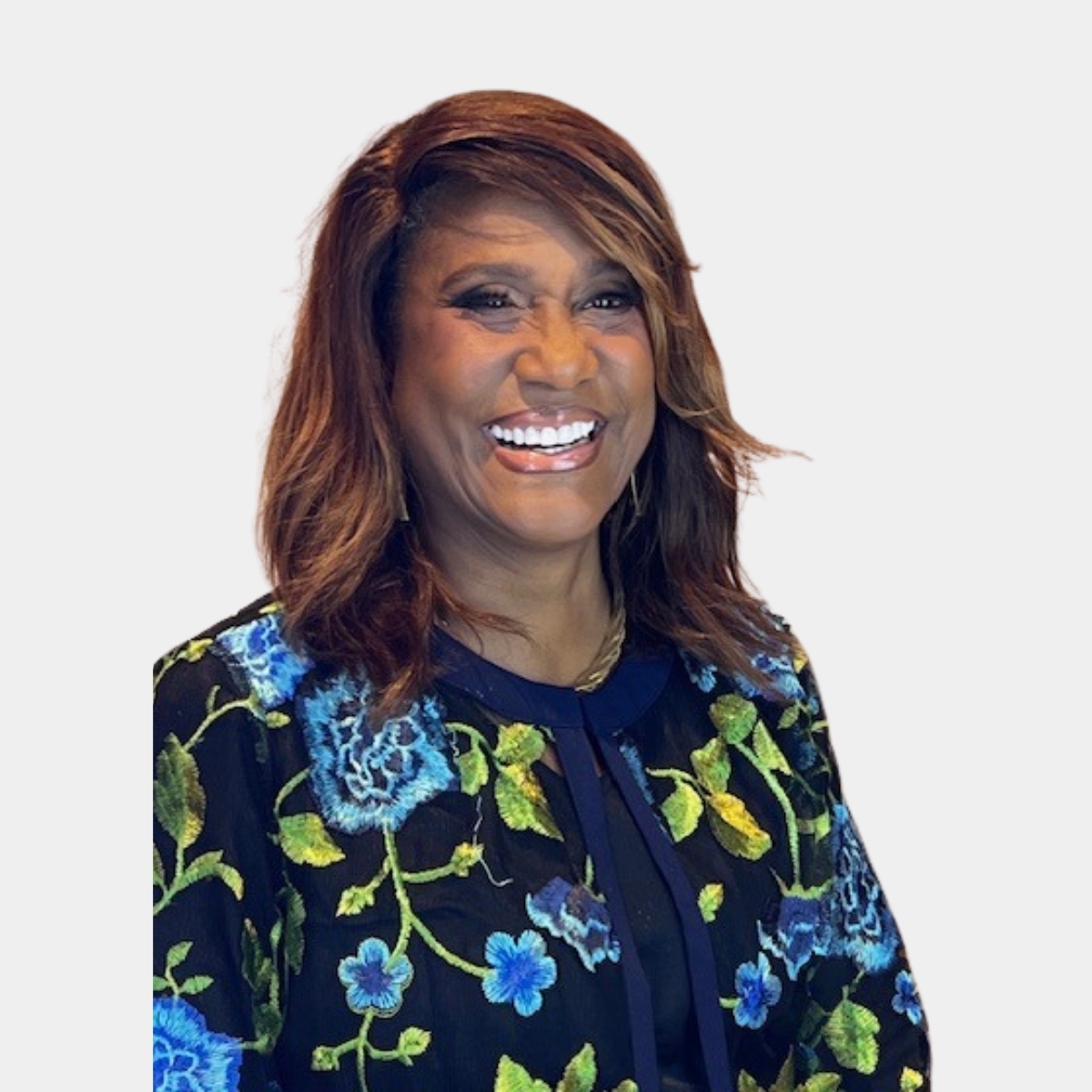
Article by
Franne McNeal
Franne McNeal, President, Significant Business Results LLC has helped 885+ small business owners collectively create 15,000 jobs and nearly $11 billion in revenue. We help architecture, engineering, and construction industry business owners with $1M-$20M in annual revenue, transform founder-dependent businesses into scalable, high-value enterprises. We solve the problems of low margins, inconsistent revenue and pressure to lower prices, by helping clients create a business that is an asset (one that runs without them), based on a proven system 8-pillar framework to increase the value of a business by 71%. We empower owners to move from being indispensable operators to intentional builders of enduring businesses, so they create financial & personal freedom. Our clients focus their energy for action to achieve significant business results.