.png)
Most Architecture firms are leaving 20% of their project revenue on the table.

For principals of architecture, engineering, and construction (AEC) firms in the $1M to $20M revenue bracket, the feeling is all too common: you’re working harder than ever, yet profit margins feel perpetually squeezed. You see revenue on the books, but a significant portion never makes it to the bottom line. This isn't a minor rounding error; for many, it’s a consistent 20% leak in project revenue. This loss isn’t happening on the bid; it’s happening after the win, in the day-to-day chaos of project execution.
While many look to project management software or accounting tools for a fix, the real issue is more foundational. The problem isn’t technology—it's leadership structure. The 20% leak is a direct symptom of owner-dependency, a state where the firm’s operational success is inextricably tied to your personal involvement in every decision. The solution is not another dashboard; it is a strategic shift in how your firm is led.
Table of Contents
• The 20% Revenue Leak: Why Owner-Dependency Drains Your AEC Firm
• Developing a Second-in-Command: A 4-Phase Roadmap
• Scaling Beyond the Founder: Long-Term Performance and Exit Readiness
The 20% Revenue Leak: Why Owner-Dependency Drains Your AEC Firm
Owner-dependency occurs when a business cannot function, deliver projects, or generate profit without the founder's direct, constant intervention. As the principal, you are the firm’s greatest asset, but you have also become its primary bottleneck. When every client question, design change, and subcontractor issue requires your approval, project momentum grinds to a halt. This "Bottleneck Effect" creates a cascade of costly inefficiencies.
Project milestones are missed, leading to delayed billing cycles and strained cash flow. Scope creep goes unmanaged because you are too consumed with other tasks to document and bill for the extra work. Your team hesitates to act, waiting for your sign-off and losing valuable production time. This is where the 20% vanishes—in the unbilled hours, the cost overruns, and the operational friction caused by an overwhelmed owner. (Founder's syndrome)
The Hidden Costs of Being the "Chief Everything Officer"
When you, the firm's highest-value strategist, are consumed by low-level operational tasks, the opportunity cost is immense. Every hour you spend reviewing routine invoices or managing team schedules is an hour not spent on high-level business development, strategic planning, or nurturing key client relationships. This constant context-switching leads to "decision fatigue," a state where the quality of your critical judgments deteriorates, impacting everything from project profitability to firm culture.
Furthermore, a business that relies entirely on its owner is worth significantly less to a potential buyer. Acquirers and investors purchase systems and teams, not just a job for the founder. By reducing owner dependency, you are not just improving efficiency; you are fundamentally increasing your firm's valuation. An independent management structure is a key driver of your company’s value, transforming it from a high-paying job into a sellable asset.
Developing a Second-in-Command: A 4-Phase Roadmap
The most effective way to plug the revenue leak and break the cycle of owner-dependency is to install a dedicated operational leader: a Second-in-Command (2IC). This individual, often called an Integrator, is the counterpart to your Visionary role. While you focus on where the firm is going, the 2IC ensures it gets there efficiently and profitably. Developing this role is a deliberate, four-phase process.
Phase 1: Identify the Right Candidate.
Look for operational discipline, not just technical talent. The ideal 2IC possesses a powerful combination of attention to detail, strong people management skills, and high financial literacy. They are the ones who naturally create order from chaos and are obsessed with process and execution.
Phase 2: The Shadowing Period.
This is the transition from "I do" to "we do." The candidate works alongside you, learning your decision-making processes. The key to this phase is rigorous documentation. Every operational system, from onboarding a new project to approving an invoice, must be written down to create a repeatable playbook.
Phase 3: Controlled Delegation.
Begin assigning specific project oversight responsibilities with clear Key Performance Indicators (KPIs). Start with metrics like project realization rates (the percentage of billable time that becomes revenue) and team utilization. Institute weekly reporting to track progress and provide coaching without taking back control.
Phase 4: Full Operational Authority.
The transition is complete when the 2IC manages the team and the entire project lifecycle independently. Your role shifts to focus on strategy, culture, and growth. The 2IC runs the business, while you build the business.
This roadmap addresses the common objection that training someone takes too much time. By structuring the transition, you invest time upfront to gain significant freedom and profitability in the long run. To track firm-wide progress during this transition, you can leverage tools like the Value Builder assessment, which measures performance across key business drivers. (Succession Planning: What the Research Says)
Scaling Beyond the Founder: Long-Term Performance and Exit Readiness
Implementing a 2IC is more than a solution to an immediate problem; it is the foundational step to building a truly scalable and valuable enterprise. With a strong operational leader in place, your firm can grow by replicating systems, not by stretching your personal effort. This is how firms scale from $1M to $10M and beyond without collapsing under their own weight.
This structure provides you with profound personal freedom. It allows you to take a real vacation, confident that projects will advance and fires will be handled. It gives you the time to focus on your health, your family, or even new ventures. Ultimately, it transforms your role from a frantic operator into a strategic owner.
The Role of the 2IC in a Successful Exit
Whether your goal is to sell in five years or twenty, building a business that can run without you is the core of any successful exit strategy. Buyers pay a premium for AEC firms with a proven, independent management team because it dramatically reduces their risk. A capable 2IC demonstrates that the firm's value, client relationships, and operational knowledge will remain after you depart.
This strategic shift is central to professional succession planning and building a sellable asset. As seen in numerous AEC case studies, firms that invest in leadership structure see significant increases in their valuation. With your 2IC managing daily operations, your new focus becomes high-level strategy, major business development, and industry thought leadership. You finally have the space to move from working in your business to working on it.
Stop accepting the 20% revenue leak as a cost of doing business. It is a tax on inefficiency that you no longer have to pay. By developing a Second-in-Command, you can reclaim that lost revenue, build a more resilient firm, and secure your own financial and personal freedom.
[Take the Value Builder Assessment to see how owner-dependent your firm is today.](https://www.significantbusinessresults.com/assessments#value-builder-score)
Frequently Asked Questions (FAQs)
How do I know if my AEC firm is ready for a second-in-command?
Your firm is ready for a 2IC when you, the owner, have become the primary bottleneck to growth. Key signs include: you are consistently working nights and weekends to keep up, your team is frequently waiting for your approval before they can act, project profitability is declining despite high billings, and you cannot take a vacation for more than a few days without operations stalling.
What is the difference between a Project Manager and a Second-in-Command?
A Project Manager is responsible for the successful execution of specific projects—managing budgets, schedules, and deliverables on a case-by-case basis. A Second-in-Command (2IC) is an operational leader responsible for the entire portfolio of projects and the systems that support them. The 2IC manages the Project Managers, standardizes processes across the firm, and ensures the entire delivery team is meeting its financial and performance goals.
How much should I expect to pay a 2IC in a $1M-$20M AEC firm?
Compensation for a 2IC varies based on location, experience, and the firm’s specific revenue and complexity. However, it should be viewed as an investment, not just an expense. A successful 2IC should recapture far more than their salary by plugging the 20% revenue leak, improving project margins, and enabling the owner to focus on high-value growth activities. Their compensation structure often includes a base salary plus a performance-based bonus tied to firm-wide profitability and efficiency metrics.
Can I develop a 2IC from within my existing team or should I hire externally?
Both paths can be successful. Promoting from within offers the advantage of a candidate who already understands your firm’s culture and clients. Look for a senior team member who demonstrates strong organizational and leadership potential, even if their primary background is technical. Hiring externally can bring in fresh perspectives and proven operational experience from a larger or more structured firm. The right choice depends on the talent within your current team and your willingness to invest in their leadership development.
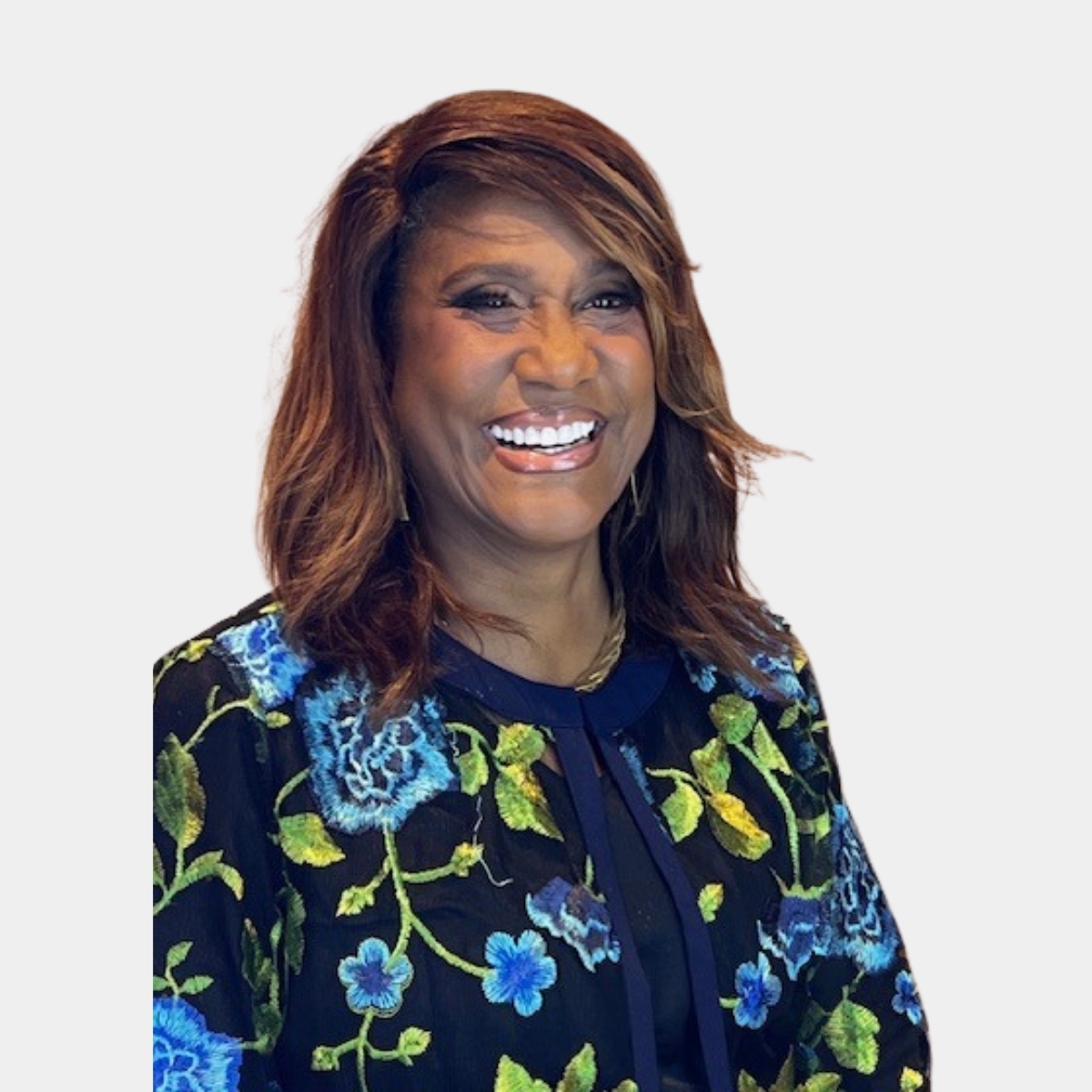
Article by
Franne McNeal
Franne McNeal, President, Significant Business Results LLC has helped 885+ small business owners collectively create 15,000 jobs and nearly $11 billion in revenue. We help architecture, engineering, and construction industry business owners with $1M-$20M in annual revenue, improve revenue, performance and long-term value. We help owners build a business that runs without them & create financial & personal freedom. Our clients focus their energy for action to achieve significant business results.