.png)
The Construction firms that stay profitable in a high-cost environment aren't just managing costs better.

Table of Contents
• Beyond the Spreadsheet: Why Managing Costs Is Not Enough for AEC Profitability
• The Three Strategic Pillars of High-Margin Construction Firms
• Building a Self-Sustaining Business: The Path to Freedom and Results
Beyond the Spreadsheet: Why Managing Costs Is Not Enough for AEC Profitability
In today's unpredictable market, architecture, engineering, and construction (AEC) firm owners are facing immense pressure. Rising material costs, labor shortages, and high interest rates are squeezing margins thinner than ever. The default response for many leaders is to double down on cost management—scrutinizing every line item, negotiating harder with suppliers, and trimming operational fat. While necessary, this approach has a fundamental limitation: it’s a defensive strategy with a ceiling.
The construction firms that stay profitable in a high-cost environment aren't just managing costs better; they are building fundamentally better businesses. They understand that you can only save so many pennies on materials before you hit a wall. This "Profitability Ceiling" is especially low for firms that rely on the owner's direct involvement in every major decision, sale, and project oversight. When you are the business, its growth potential is capped by your personal capacity.
True, sustainable profitability requires a strategic shift—from the tactical work of a contractor to the visionary work of a CEO. It’s the difference between saving money on a bid and building a business that commands higher margins by default.
The Hidden Cost of the Owner's Trap
For many AEC firm owners with revenues between $1M and $20M, the business revolves around them. They are the lead rainmaker, the top project manager, and the final quality control. This creates a significant bottleneck. When every critical path runs through one person, the firm becomes fragile, inefficient, and difficult to scale. This is the Owner's Trap, and its costs are steep.
Firms caught in this trap face higher risks and lower margins because decisions are delayed, opportunities are missed, and the team is never fully empowered. The most profitable firms, in contrast, have built robust systems and a leadership structure that operates effectively without the principal's constant input. They have moved from "doing the work" to "building the machine that does the work."
Shifting from Contractor to CEO
Escaping the Owner's Trap requires a profound mindset shift. It means redirecting your energy from the day-to-day firefights to long-term value creation. It involves stepping back from the project site to gain a clear view of the entire business landscape. This transition is not about working harder; it's about working differently.
CEOs of high-performing firms dedicate time to strategic planning, where they can analyze performance, identify high-value niches, and build systems that produce predictable results. This focused effort reduces the "noise" of daily operations and allows them to make decisions that multiply profitability rather than just protect it. It is this strategic foresight that separates the firms that merely survive from those that thrive in any economic climate.
The Three Strategic Pillars of High-Margin Construction Firms
Firms that achieve consistent, high-margin profitability are built on a foundation of strategic intent, not just operational grit. They focus their efforts on three core pillars that create a resilient, scalable, and valuable business asset. By concentrating on these areas, they transform their company from a demanding job into a self-sustaining engine of wealth.
Pillar 1: Differentiation and the 'Hub and Spoke' Model.
These firms systematically reduce their reliance on the owner as the central hub for sales, operations, and client relationships, empowering a leadership team to drive growth.
Pillar 2: Recurring Revenue and Productization.
They move away from the unpredictability of one-off projects by creating repeatable, high-value service offerings that generate predictable income streams.
Pillar 3: Financial Performance Beyond the P&L.
They look past simple profit and loss statements to track the key drivers that make a company truly valuable and attractive to a future buyer or successor.
Understanding these pillars is the first step. The next is to implement them. For a deeper look into the financial metrics that matter most, you can learn about the 8 key drivers of company value that top-performing firms monitor relentlessly.
Reducing Owner Dependency to Unlock Growth
The single greatest barrier to growth in most AEC firms is the owner. If you are the primary source of new business, the lead troubleshooter, and the main client contact, your company cannot grow beyond your personal bandwidth. Breaking this dependency is critical for scaling profitability.
Start by identifying the high-value tasks only you can perform versus those that can be delegated. Then, begin building a leadership team you can trust with high-stakes decisions. This involves creating clear standard operating procedures (SOPs), establishing key performance indicators (KPIs), and fostering a culture of accountability. By empowering your team, you transition from being the engine of the business to being its architect. For more on this, explore the leader's path to scalable value by reducing owner dependency.
Productizing AEC Services for Scalability
The project-based nature of the AEC industry often leads to a "feast or famine" revenue cycle. Each new project requires custom estimation, planning, and execution, making it difficult to predict costs and margins accurately, especially when market prices fluctuate. Productizing your services is the solution.
This doesn't mean you stop offering custom work. It means identifying a core service that you excel at and packaging it into a repeatable, high-margin "product." This could be a specific type of pre-construction assessment, a specialized engineering analysis, or a defined design-build process for a niche market. By creating a standardized scope, process, and pricing model, you make your services easier to sell, estimate, and deliver. This approach stabilizes your revenue, protects your margins, and creates a scalable model for growth that isn't dependent on reinventing the wheel for every client.
Building a Self-Sustaining Business: The Path to Freedom and Results
Many business owners believe that planning for an exit is something to worry about in the distant future. However, the secret of the most successful AEC leaders is that a business built to sell is also the best possible business to own today. An "exit-ready" firm is, by definition, profitable, efficient, and not dependent on its owner. It runs on systems, not on heroic individual efforts.
Focusing on exit-readiness forces you to address the very issues that cause daily frustration and limit profitability: operational bottlenecks, inconsistent cash flow, and over-reliance on key individuals. By building a company that could thrive without you, you create a valuable asset that provides you with both financial and personal freedom, whether you decide to sell in five years or run it for another twenty. The first step is to get an objective measure of your firm's current value and identify the profit leaks in your structure. A comprehensive value assessment can reveal where your business stands and provide a clear roadmap for improvement.
Want to see how your firm measures up? Take the Value Builder Score assessment to get a confidential, data-driven analysis of your company's strengths and weaknesses.
The Role of Executive Leadership Coaching
Making the transition from an overworked operator to a strategic CEO is challenging. The path is often counterintuitive and requires a new set of skills and perspectives. This is where targeted guidance becomes invaluable. High-level executive coaching and peer-to-peer Mastermind groups provide a structured environment for AEC leaders to solve complex operational challenges.
Surrounding yourself with other successful firm owners provides insights you can't get from a book. Having a no-nonsense advisor helps you cut through the organizational noise, stay focused on high-impact activities, and hold you accountable for building the business you truly want. It provides the clarity and strategic framework needed to achieve significant, lasting results.
Your Next Steps for Significant Results
Profitability in today's high-cost environment is not about finding a new spreadsheet trick or a cheaper supplier. It’s a direct result of organizational cohesion, strategic foresight, and intentional business design. The most successful construction and engineering firms are not just better at managing projects; they are built on a superior business model.
It’s time to move from energy-draining fire-fighting to action-oriented leadership. By focusing on building a self-sustaining asset, you can achieve higher profits, greater stability, and more personal freedom. The Value Builder System™ provides a proven framework for this transition, helping you increase your company's value by an average of 71%.
If you are ready to stop being the most valuable employee in your company and start building a business that runs without you, the path forward is clear. Start building a business that runs without you today.
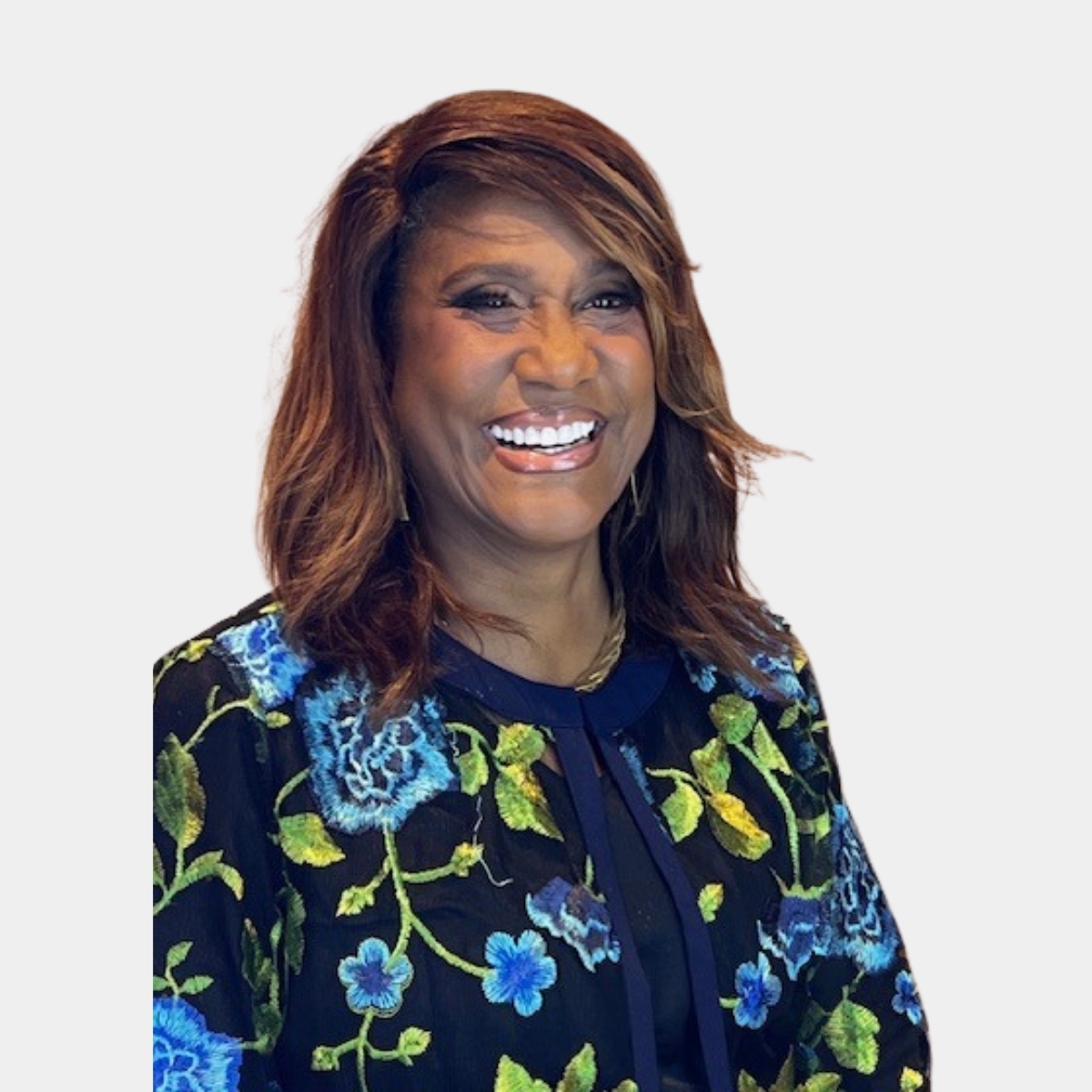
Article by
Franne McNeal
Franne McNeal, President, Significant Business Results LLC has helped 885+ small business owners collectively create 15,000 jobs and nearly $11 billion in revenue. We help architecture, engineering, and construction industry business owners with $1M-$20M in annual revenue, improve revenue, performance and long-term value. We help owners build a business that runs without them & create financial & personal freedom. Our clients focus their energy for action to achieve significant business results.