.png)
The Risks of Being an Irreplaceable Architecture, Engineering or Construction Business Owner

The Hidden Risks of Being Irreplaceable in Your Architecture, Engineering, or Construction Business
In the architecture, engineering, and construction (AEC) industry, many business owners wear their indispensability as a badge of honor. You are the chief problem solver, the lead technical expert, and the primary rainmaker. Clients ask for you by name, and complex projects stall without your direct intervention. While this centrality may feel like a testament to your expertise, it is a structural defect that carries significant, often unseen, risks. This condition is known as Owner Dependency, and it is one of the most critical factors that can diminish your company's value and limit your personal freedom.
Being the "Chief Problem Solver" positions you as the permanent bottleneck in your own company. Every major decision, client concern, or technical challenge flows through you, stifling your team's growth and preventing the business from scaling. This is the AEC "Hero Trap"—a cycle where your technical proficiency, the very skill that built the company, becomes the primary barrier to its evolution into a self-sustaining asset. Answering the question, "Why is being irreplaceable as an owner in your architecture, engineering or construction business a problem?" begins with understanding this fundamental conflict. When your business cannot function without you, its potential is limited to your personal capacity, and its value is inextricably tied to your presence.
This dependency has a direct and damaging impact on your exit strategy. A business that relies on one individual is not a sellable company; it is a high-stress job with assets. Potential buyers see an organization that will crumble the moment you depart, making it an extremely high-risk acquisition.
The Financial Penalty of the Indispensable Owner
When an acquirer evaluates your AEC firm, they are buying its future profit stream, not its past performance. If that future is entirely dependent on you, the value of the business is heavily discounted. Buyers understand that client relationships, proprietary knowledge, and operational stability centered on one person represent a significant flight risk. As a result, they will either propose a substantially lower purchase price or refuse to make an offer altogether. This is a primary reason why many AEC firms fail to attract serious buyers.
Even if a deal is reached, high Owner Dependency often leads to the "Earn-out Trap." In this scenario, a large portion of the sale price is contingent on you staying with the company for several years post-acquisition to ensure a smooth transition of clients and operations. This arrangement forces you to remain in a role you intended to leave, delaying your financial freedom and keeping you tethered to the very business you just sold.
AEC Industry Pain Points and Owner Dependency
In the current AEC landscape, owner-centric operations amplify existing industry pressures. The persistent challenge of labor shortages becomes more acute when your team is not empowered to make high-level decisions, as you become the default manager for every task. This prevents you from focusing on strategic recruitment and retention, worsening the cycle.
Similarly, an owner-centric model often leads to inconsistent cash flow. When you are the only one capable of closing major deals or solving critical project issues, revenue generation becomes erratic and dependent on your personal availability. This creates unpredictable financial swings that undermine stability and make strategic financial planning nearly impossible.
Shifting from Indispensable Operator to Intentional Builder
The solution to Owner Dependency is a fundamental shift in mindset: from a tactical, reactive operator to a strategic, intentional builder. This transition involves moving your focus from managing daily projects to designing the systems and culture that allow the business to run without your constant oversight. The goal is to evolve from the company’s most valuable employee to its most valuable architect.
An "Intentional Builder" constructs a business that functions as an asset, generating predictable results and creating genuine personal and financial freedom. Instead of answering every question, you build the frameworks that provide the answers. This systems-based approach is the most effective way to solve the chronic problems of low margins and downward price pressure. When your firm can deliver consistent, high-quality results independent of any single individual, you create a durable competitive advantage that justifies premium pricing.
The 8-Pillar Framework for Scalable AEC Value
Building a self-sufficient business requires a proven blueprint. The Value Builder System™ provides this structure through an 8-pillar framework designed to increase company value. Firms that implement this system see their value increase by an average of 71%. Two of the most critical pillars for reducing Owner Dependency are "Hub and Spoke" and "The Switzerland Structure."
Hub and Spoke
This addresses a business model where the owner (the hub) is the central point for all major decisions and client interactions. The goal is to decentralize this structure, empowering a leadership team to manage key functions independently.
The Switzerland Structure
This pillar focuses on diversifying your client base so that no single client accounts for a disproportionate amount of your revenue, making the business less vulnerable to the loss of one relationship—especially a relationship held exclusively by the owner.
The Value Builder Score is a comprehensive assessment that measures your company's performance across all eight drivers, providing a clear benchmark for AEC success and a roadmap for improvement.
Empowering Your Leadership Team
Reducing your own role requires elevating others. The transition from "doing" to "coaching" is essential for developing a capable executive leadership team. This means entrusting them with significant responsibilities, allowing them to make mistakes, and guiding them toward strategic thinking rather than providing them with tactical solutions.
Delegating high-level AEC decisions can be challenging, often triggering a fear of losing control or a belief that "no one can do it as well as I can." Overcoming this requires establishing clear key performance indicators (KPIs), documented processes, and a culture of accountability. When your team understands the goals and the rules of the game, you can confidently step back and let them lead, secure in the knowledge that the systems you built will ensure quality and consistency.
Engineering Your Exit: Building a Business That Functions as an Asset
In the engineering and construction sectors, a "Sellable Asset" is a business with predictable profits, a diverse customer base, a strong management team, and documented standard operating procedures. It is an entity whose value is contained within its operational structure, not in the mind or relationships of its founder. This stands in stark contrast to a "Job," which may generate high income but ceases to exist or function effectively once the owner leaves. If a two-week vacation creates chaos, you likely own a job, not a business.
A business engineered to run without its founder not only commands a higher valuation but also performs better in the long term. Empowered teams are more innovative, efficient, and resilient, driving sustainable growth. Through structured coaching and strategic planning, Significant Business Results helps owners achieve this vision, transforming their high-effort companies into valuable, self-sustaining assets.
Navigating Regulatory Compliance and Risk Through Systems
The AEC industry is fraught with liability and complex regulatory requirements. When the owner is the central repository of knowledge, they also become the central point of failure and liability. Standardized, documented processes for project management, quality control, and safety compliance transfer this responsibility from an individual to the system itself. This not only reduces your personal risk but also builds a culture of accountability that will survive your eventual transition, assuring a potential buyer of the company's operational integrity.
Your Roadmap to Freedom and Significant Results
The journey from indispensable operator to intentional builder begins with a clear diagnosis of your business's current state. Strategic planning sessions are instrumental in identifying the key value drivers that need attention and creating a tangible action plan. For those seeking collaborative growth, the Significant Business Results Mastermind provides a forum for peer-to-peer learning among fellow AEC leaders who are on the same path.
The most crucial first step is understanding where you stand today. By identifying the specific areas where your business is too dependent on you, you can begin the methodical process of building systems, empowering your team, and engineering a future of true freedom and value.
Get Your Value Builder Score and Identify Your Owner Dependency
Frequently Asked Questions (FAQs)
How do I know if my AEC business is too dependent on me?
There are several clear signs of high Owner Dependency. Ask yourself:
• Do all major client relationships depend solely on you?
• Does your team interrupt you frequently with operational questions?
• Are you the final decision-maker on nearly every project, proposal, or hire?
• Would your business struggle to operate if you took an uninterrupted four-week vacation?
• Is your name synonymous with the company's brand in the marketplace?
If you answered "yes" to several of these, your business likely has a high degree of owner dependency.Can an architecture or engineering firm really run without the owner?
Absolutely. It is not only possible but essential for creating a valuable, sellable asset. The key is shifting the company's reliance from you as an individual to a set of robust, documented systems and an empowered leadership team. This involves standardizing processes for everything from project delivery and client management to financial controls and business development, allowing the organization to function consistently and effectively, regardless of who is in the office.
What are the 8 key drivers of company value for AEC firms?
The 8 key drivers, as identified by The Value Builder System™, are the core metrics that acquirers use to assess a company's health and value. They are:
• Financial Performance
• Growth Potential
• The Switzerland Structure (customer diversification)
• The Valuation Teeter-Totter (cash flow)
• Recurring Revenue
• Monopoly Control (differentiation)
• Customer Satisfaction
• Hub and Spoke (owner dependency)
Improving your score across these drivers directly increases your firm's sellability and market value.How long does it take to reduce owner dependency in a $10M construction business?
The timeline varies based on the current level of dependency and the owner's commitment to implementing change. For a business of this size, a dedicated effort can yield significant results within 12 to 24 months. This period typically involves developing a strong second-in-command, documenting core processes, and methodically transferring client relationships and key responsibilities to the leadership team. A full transition to a self-managing company is a strategic process that can take 3 to 5 years to complete thoroughly.
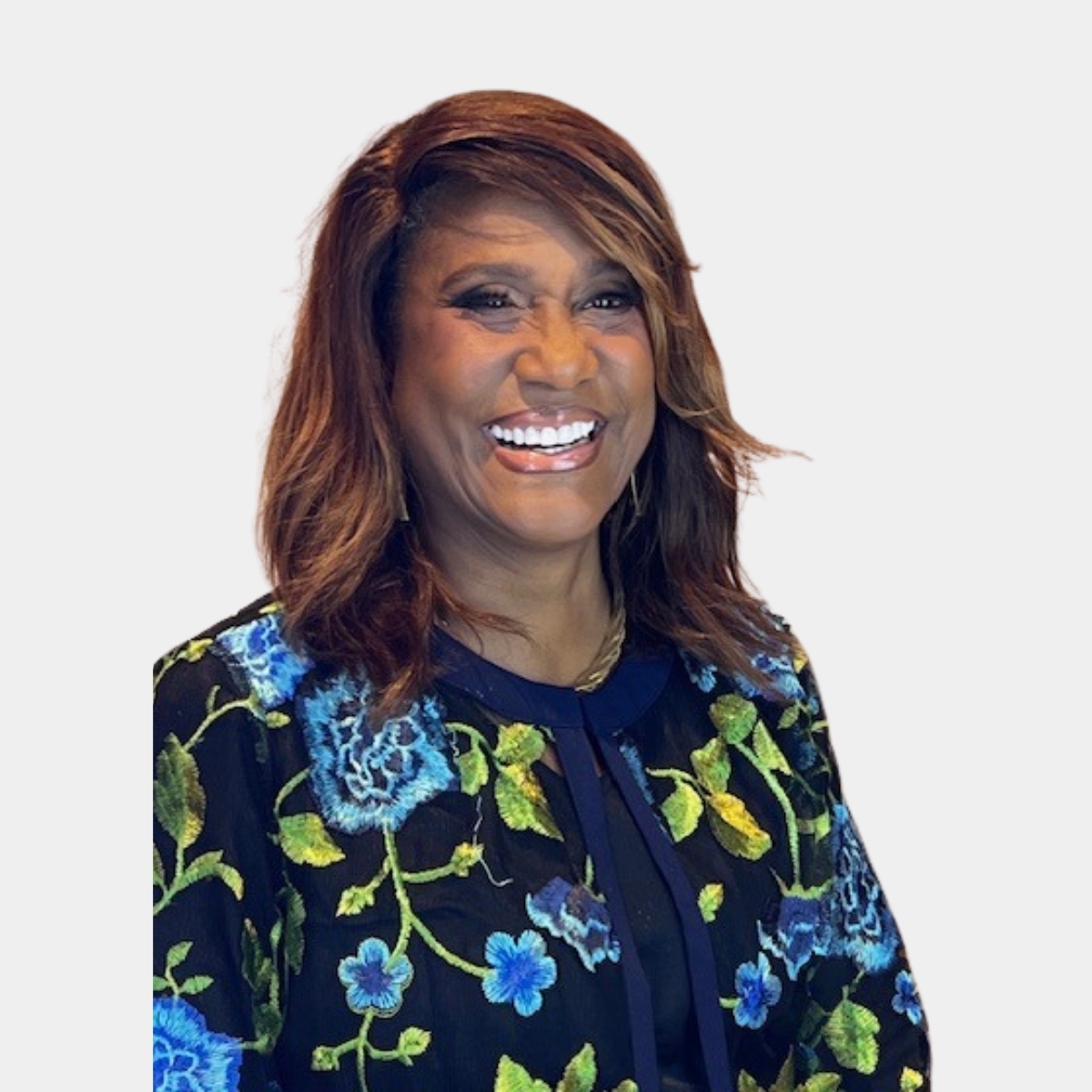
Article by
Franne McNeal
Franne McNeal, President, Significant Business Results LLC has helped 885+ small business owners collectively create 15,000 jobs and nearly $11 billion in revenue. We help architecture, engineering, and construction industry business owners with $1M-$20M in annual revenue, transform founder-dependent businesses into scalable, high-value enterprises. We solve the problems of low margins, inconsistent revenue and pressure to lower prices, by helping clients create a business that is an asset (one that runs without them), based on a proven system 8-pillar framework to increase the value of a business by 71%. We empower owners to move from being indispensable operators to intentional builders of enduring businesses, so they create financial & personal freedom. Our clients focus their energy for action to achieve significant business results.