.png)
The worst position for an Architecture, Engineering or Construction company

Table of Contents
• The Indispensable Operator: Why Being Essential is the Worst Position for an AEC Owner
• Escaping the Trap: Using the 8 Drivers of Company Value to Build an Asset
• From Operator to Intentional Builder: Scaling Your Firm for True Freedom
The Indispensable Operator: Why Being Essential is the Worst Position for an AEC Owner
For many owners in the Architecture, Engineering, and Construction (AEC) industry, success feels like a double-edged sword. Your technical expertise and client relationships have built the firm from the ground up. You are the engine, the visionary, and the ultimate quality control. But what happens when that engine is the only thing keeping the entire machine running? This leads to a critical question: for an architecture, engineering, or construction company, what is the worst position you can be in? It is not a lack of projects or a tough economy. The worst position is being the indispensable operator.
This is the "Indispensable Operator Trap," a state where the business is 100% dependent on the founder. Your deep technical knowledge, once your greatest asset, becomes the primary bottleneck. Every major decision, every client call, and every final review must pass through you. This creates a cycle of inconsistent revenue tied directly to your personal capacity, forcing you to lower prices on bids just to keep cash flowing. The emotional toll is significant, but the financial risk is catastrophic. A business that cannot function without one specific person is not a valuable asset; it is a high-stress job that is virtually unsellable.
Signs You Are Trapped in Your Own AEC Firm
Recognizing the trap is the first step toward escaping it. The signs are often mistaken for the necessary burdens of leadership, but they point to a deeper structural problem. Do any of these situations feel familiar?
Clients refuse to work with anyone but you.
While flattering, this stalls project timelines and prevents your team from developing their own client-facing skills. Every new project adds directly to your workload, not the firm’s capacity.
You are involved in every minor design or engineering decision.
If your team cannot move forward without your approval on routine tasks, you are micromanaging, not leading. This leads directly to owner burnout and stifles your team's professional growth.
The firm’s growth has plateaued.
A business wholly dependent on its owner can only grow to the limits of that owner's personal bandwidth. If revenue has stagnated despite a strong market, it is likely because you have reached your maximum capacity to manage it all.
The Financial Reality of Owner Dependency
The consequences of owner dependency extend far beyond daily frustrations; they directly impact your company's financial value. Businesses structured as a "hub and spoke"—with the owner at the center of all operations—trade at significantly lower multiples than systemized firms. Potential buyers see this structure not as a testament to your expertise, but as a massive risk. If you were to exit, the business's revenue, client relationships, and operational knowledge would exit with you.
Furthermore, there is a hidden cost to this model. When you are constantly pulled into project management and technical work, you are effectively "donating" your high-value leadership and strategic time to tasks that should be delegated. This suppresses margins and prevents you from focusing on the one job only you can do: building a business that can one day thrive without you. The truth is, being an irreplaceable business owner is one of the greatest risks to your long-term financial freedom.
Escaping the Trap: Using the 8 Drivers of Company Value to Build an Asset
Breaking free from the Indispensable Operator Trap requires a fundamental shift in perspective and a proven roadmap. The solution lies in transforming your practice from a vehicle for your personal expertise into a structured, scalable asset. This is achieved by focusing on the 8 Drivers of Company Value, a framework designed to systematically reduce risk and increase operational efficiency.
This is not a theoretical exercise. Companies that improve their performance across these eight key areas increase their value by an average of 71%. For AEC firms, this framework provides a clear path to building a resilient business that is not dependent on any single person, project, or client. It is about creating systems that generate predictable results, allowing you to achieve true freedom as an owner. The first step is understanding your baseline. Find out how your business scores today.
Find out your Value Builder Score and start building a business that runs without you.
Prioritizing Financial Performance and Growth Potential
Many AEC firms are stuck in a "time and materials" billing model that caps their profitability. To build a valuable asset, you must move toward more scalable revenue models. This could include value-based pricing, design-build retainers, or other forms of recurring revenue that decouple income from the owner's billable hours. The key is to identify your "Scalability Three": a core set of products or services that are profitable, in-demand, and—most importantly—can be taught to your team and delivered consistently without your direct involvement.
The "Switzerland Structure": Reducing Dependency on Any One Thing
A business that is neutral and independent is a business that is stable and valuable. The "Switzerland Structure" is a concept focused on diversification to reduce risk. Relying on one "rainmaker" employee to bring in all the new business or having one massive client account for more than 15% of your revenue puts your firm in a dangerously fragile position. A truly resilient AEC firm diversifies its client base to weather market shifts and develops multiple leaders who can manage relationships and win new work. This principle also applies to your team and supply chain, where strategic subcontracting with established specialists like TSIAC International can mitigate labor shortages and increase operational flexibility.
From Operator to Intentional Builder: Scaling Your Firm for True Freedom
The final and most crucial step is a change in your role. You must evolve from being the primary "doer" of the work to becoming the architect of the machine that does the work. For AEC owners with firms in the $1M-$20M revenue range, this transition involves intentional delegation, establishing clear accountability, and empowering your team to take ownership of outcomes. This shift does not happen overnight. It is a deliberate process accelerated by expert guidance and peer learning, where you can see how other successful owners have navigated the same challenges.
You can read AEC case studies to see how others have successfully made this shift from operator to owner, creating both wealth and freedom.
Implementing Systems That Run Without You
A business that runs on systems can scale; a business that runs on people, cannot. The foundation of a sellable AEC firm is a set of well-documented Standard Operating Procedures (SOPs). These SOPs should cover every critical phase of your work, from initial design and engineering to project management and client communication. Once these systems are in place, you can empower a leadership team to manage daily operations. This frees you from the tyranny of the urgent and allows you to focus on strategic growth, innovation, and high-level relationships.
Achieving Significant Business Results
Building a valuable asset requires a clear vision and an aligned team. Strategic planning sessions are essential for setting long-term value goals and ensuring everyone understands their role in achieving them. This is where the power of external perspective becomes invaluable. An AEC mastermind group provides a forum for high-level accountability and shared insights from non-competing peers who are on the same journey. It helps you stay focused on the strategic work of building value, transforming your firm from a source of stress into a legacy of success.
Frequently Asked Questions (FAQs)
What is the "worst position" for an architecture or engineering firm owner?
The worst position is being the "indispensable operator," where the business is entirely dependent on your personal involvement. This makes the firm difficult to scale, stressful to run, and nearly impossible to sell for its true value. It transforms your business from an asset into a demanding, high-stakes job.
How can I tell if my AEC business is too dependent on me?
Key signs include: clients insisting on working only with you, your constant involvement in minor operational decisions, and your firm's growth hitting a ceiling that matches your personal capacity. If you cannot take a two-week vacation without constant calls and emails, your business is too dependent on you.
Can an AEC firm really run without the founder being involved in every project?
Absolutely. Successful, high-value firms operate on robust systems and an empowered leadership team, not the founder's heroics. By creating clear SOPs, delegating authority, and training your team to uphold your standards, you can transition from being the primary technician to the strategic visionary.
How do I start increasing the value of my construction company today?
The first step is to get a clear, objective measure of your company's current value and performance. By taking an assessment based on the 8 Drivers of Company Value, you can identify your firm's strengths and weaknesses and create a targeted plan to systematically increase its worth, starting immediately.
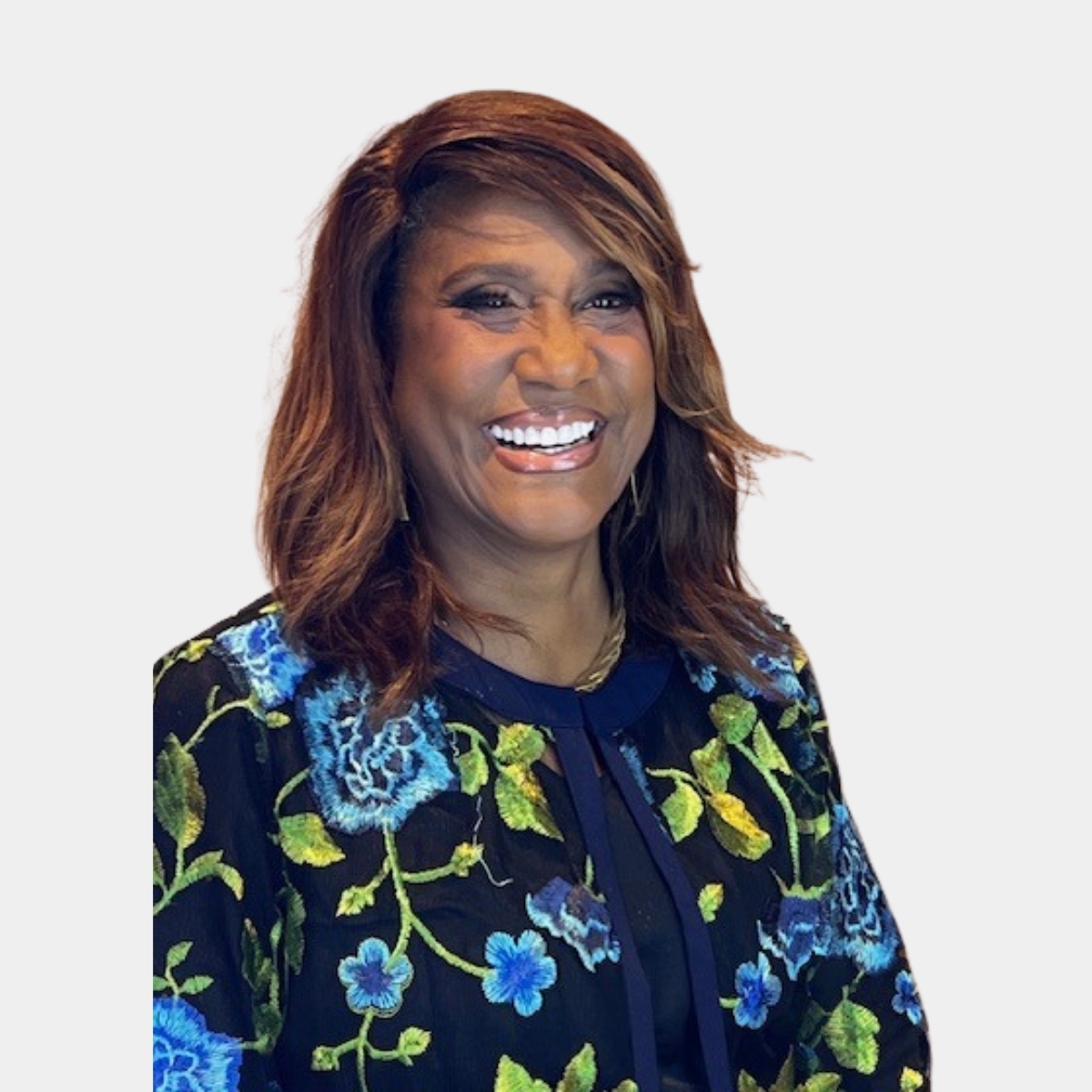
Article by
Franne McNeal
Franne McNeal, President, Significant Business Results LLC has helped 885+ small business owners collectively create 15,000 jobs and nearly $11 billion in revenue. We help architecture, engineering, and construction industry business owners with $1M-$20M in annual revenue, transform founder-dependent businesses into scalable, high-value enterprises. We solve the problems of low margins, inconsistent revenue and pressure to lower prices, by helping clients create a business that is an asset (one that runs without them), based on a proven system 8-pillar framework to increase the value of a business by 71%. We empower owners to move from being indispensable operators to intentional builders of enduring businesses, so they create financial & personal freedom. Our clients focus their energy for action to achieve significant business results.