.png)
What's the real difference between working IN your architecture, engineering and construction business versus ON it? Guide for Success

For many principals in the architecture, engineering, and construction (AEC) industries, the firm is a direct reflection of their personal expertise and relentless effort. You are the lead designer, the chief engineer, the primary client contact, and the final quality check. But if you are working 60-hour weeks while profit margins remain thin and your team cannot make a critical decision without you, you are not just running a business—you own a high-stakes, high-stress job. The critical distinction between this reality and a truly scalable enterprise lies in understanding the difference between working in your business versus on it.
Working in the business makes you an indispensable operator. Working on the business transforms you into an intentional builder of a valuable, self-sustaining asset. This strategic shift is not just about working smarter; it is the fundamental change required to increase your firm's value, secure your financial future, and regain your personal freedom.
Table of Contents
• The Operator Trap: What It Means to Work IN Your AEC Business
• Architecting an Asset: The Strategic Reality of Working ON Your Business
• The Transition Plan: How to Shift from Operator to Intentional Builder
The Operator Trap: What It Means to Work IN Your AEC Business
Working in your business means you are the central engine driving daily operations. Your time is consumed by project delivery, technical oversight, client management, and crisis resolution. You are the primary doer, the expert your team and clients depend on for every significant milestone. While this hands-on approach likely built your firm’s initial success and reputation, it eventually becomes a ceiling on its growth.
Common AEC Pain Points That Keep You Trapped
The daily pressures of the AEC industry reinforce the Operator Trap. When navigating persistent labor shortages, the temptation to "just do it yourself" to meet a tight deadline is immense. You step in to fill gaps, perform technical work, and ensure quality, believing it is the only way to protect your reputation. Simultaneously, managing inconsistent cash flow while buried in project details means you lack the time and mental space for high-level financial strategy. You are too busy solving today's problems to architect a more profitable and stable future.
The Psychological Shift: From Craftsman to CEO
The most challenging part of this transition is recognizing that your greatest strength—your technical expertise—has become your firm's greatest bottleneck. To scale, you must evolve from the primary craftsman to the chief executive. Your role must shift from producing the work to designing the business that produces the work. This requires a profound psychological change, moving your focus from project execution to system creation, talent development, and strategic direction.
The indispensable operator, whose technical skill built the firm, becomes the single greatest barrier to scaling it beyond a high-pressure job and into a valuable, sellable asset. When your personal involvement is required for every key function, you are not building a company; you are perpetuating a cycle of dependency that limits growth and makes an eventual exit nearly impossible. Recognizing the risks of being an irreplaceable owner is the first step toward building true enterprise value.
Architecting an Asset: The Strategic Reality of Working ON Your Business
Working on your business is the deliberate act of building a company that functions and thrives without your daily presence. It involves creating robust systems, fostering a strong leadership culture, and setting a clear strategic vision that empowers your team to execute with excellence. Instead of being the main problem-solver, you become the architect of the operational framework.
A proven methodology for this transition is The Value Builder System™, which uses an 8-pillar framework to guide owners in building scalable, valuable companies. Firms that implement this structured approach have been shown to increase their value by up to 71%. This framework shifts your focus to high-value activities like strategic planning, leadership development, and market positioning. By concentrating on these areas, you begin to solve the root causes of chronic issues like price pressure and low margins, rather than just treating the symptoms.
The 8 Key Drivers of Company Value for AEC Firms
To build a valuable asset, you must manage your firm through the lens of a potential acquirer. This means focusing on the eight key drivers that determine its worth. These drivers compel you to prioritize financial performance and growth potential over simple project completion. For example, the "Hub & Spoke" driver directly assesses whether your business relies on one person—you—to function. A high dependency on the owner as the "hub" significantly reduces a company's value. Systematically strengthening each of these drivers transforms your firm from a personality-driven practice into a structured, sellable entity.
You can learn more by downloading the free guide on The 8 Key Drivers of Company Value.
Building Systems for Operational Excellence
Working on your business means productizing your services to create predictable, scalable revenue streams. This involves standardizing your processes for everything from project intake and design to execution and client communication. Documented systems ensure consistency, reduce errors, and make it possible for others to deliver the quality your clients expect. This is how you move from relying on individual heroics to achieving operational excellence.
This approach to systemization applies to every facet of the built environment, from complex engineering projects to specialized trade services like residential painting Rio Rancho NM, where standardizing quality is the key to sustainable growth.
Intentional builders manage by results, not by activities, using key performance indicators (KPIs) to guide their teams and scale operations predictably. When your team has clear metrics for success and the autonomy to achieve them, you are freed from constant oversight and can concentrate on strategic growth.
The Transition Plan: How to Shift from Operator to Intentional Builder
Moving from the role of operator to that of an intentional builder is a gradual, deliberate process. It doesn't happen overnight, but it can begin today with a clear plan of action. The goal is to systematically reduce your firm's dependency on you, empowering your team and building a resilient organization in the process.
The journey starts with an honest assessment of where you stand. Obtaining your Value Builder Score provides a baseline measurement of your firm's current performance across the eight value drivers. This objective analysis reveals your company's strengths and, more importantly, the areas of high owner dependency that are holding you back. With this data, you can create a targeted roadmap for change.
Reducing Owner Dependency Step-by-Step
Delegation is not just about offloading tasks; it is a strategic tool for developing your team's capabilities and freeing your time for higher-value work. Start by identifying the top three to five functions that only you perform. Document the processes for each, then train and empower a team member to take ownership. This could be anything from initial client consultations to final bid reviews.
As you delegate tasks, you must also build a culture of accountability that empowers project managers and team leaders to own outcomes. This means giving them the authority to make decisions and the responsibility for the results. When your team is accountable for performance, you can shift from managing daily activities to providing executive leadership and strategic guidance.
Securing Your Legacy and Exit Readiness
Ultimately, every business owner will exit their company. The question is whether that exit will be a planned, profitable transition or a forced, undervalued sale. A business that can run without you is not just easier to manage—it is exponentially more attractive to a potential buyer. Acquirers are not buying a job; they are investing in a system that generates predictable profits.
By working on your business, you are not just preparing for a future sale; you are building a stronger, more resilient, and more profitable company today. You are creating a legacy that can continue to thrive long after you have moved on. For owners ready to make this strategic shift, specialized AEC business coaching can provide the framework and accountability needed to navigate this critical transition successfully.
The difference between working in your business and on it is the difference between building a job and building an asset. The choice to become an intentional builder is the most powerful decision an AEC owner can make for their firm, their future, and their freedom.
[Take the Value Builder Assessment to see how your AEC firm scores today](https://www.significantbusinessresults.com/assessments#value-builder-score)
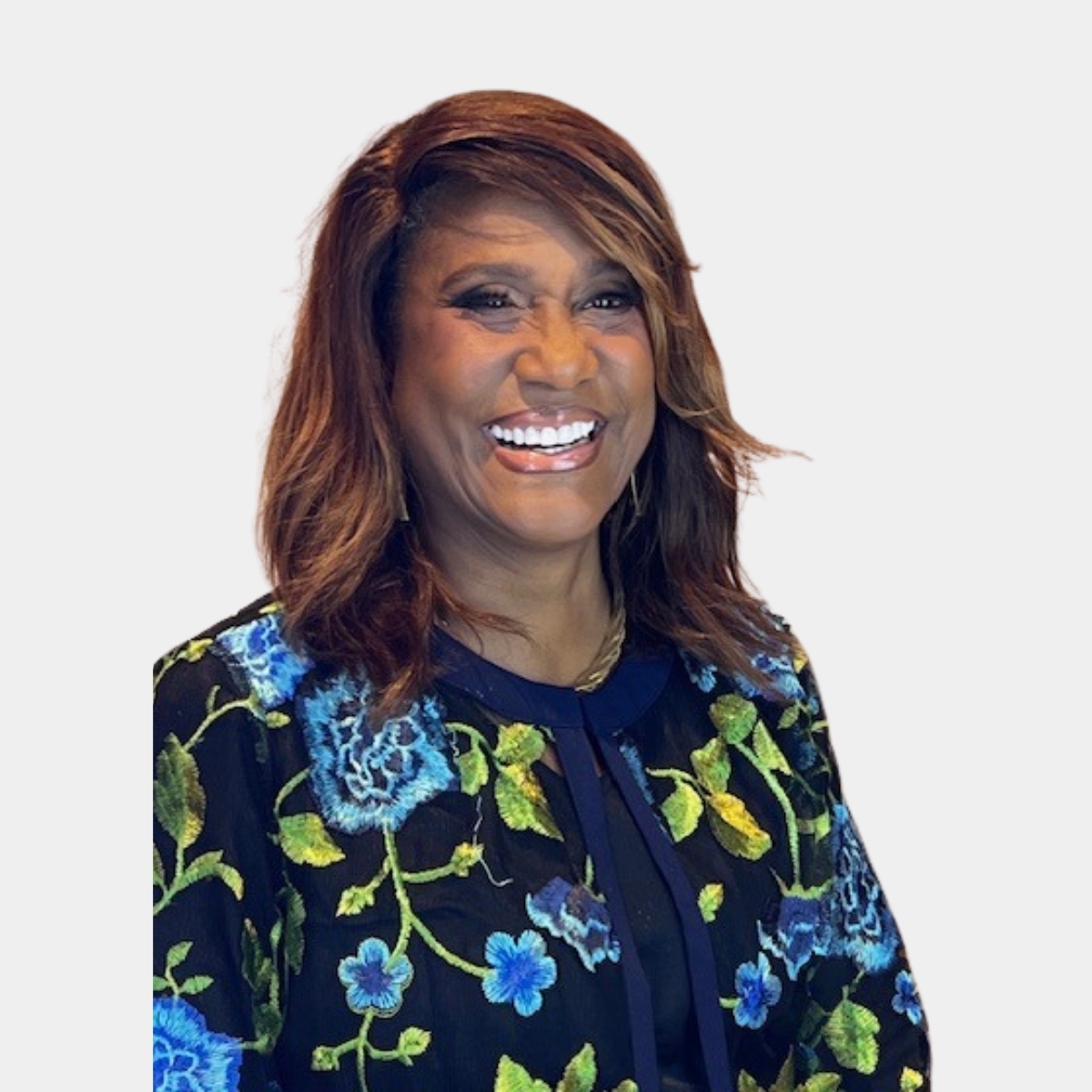
Article by
Franne McNeal
Franne McNeal, President, Significant Business Results LLC has helped 885+ small business owners collectively create 15,000 jobs and nearly $11 billion in revenue. We help architecture, engineering, and construction industry business owners with $1M-$20M in annual revenue, transform founder-dependent businesses into scalable, high-value enterprises. We solve the problems of low margins, inconsistent revenue and pressure to lower prices, by helping clients create a business that is an asset (one that runs without them), based on a proven system 8-pillar framework to increase the value of a business by 71%. We empower owners to move from being indispensable operators to intentional builders of enduring businesses, so they create financial & personal freedom. Our clients focus their energy for action to achieve significant business results.