.png)
Why do engineering firms that look successful on the surface sell for pennies on the dollar? Guide for Success

Many owners in the architecture, engineering, and construction (AEC) industry operate under a dangerous assumption: that a full project pipeline and impressive top-line revenue automatically translate into a high-value, sellable business. They see the outward signs of success—prestigious projects, a busy team, a respected name—and assume their firm is a premium asset. Yet, when the time comes to consider an exit, they are often met with a sobering reality: sophisticated buyers value their life's work at a fraction of what they expected. The successful firm, it turns out, is often worth pennies on the dollar.
This valuation gap isn't a reflection of the owner's technical skill or work ethic. On the contrary, it is often a direct result of it. The very expertise and relentless involvement that built the firm are the same factors that make it difficult to sell. Buyers are not looking to purchase a job or inherit a central figure who holds all the key relationships and operational knowledge. They are looking to acquire a durable, self-sustaining asset. The core challenge for many AEC principals is recognizing that they have built an impressive career, but not necessarily an impressive business. Understanding this distinction is the first step toward transforming a founder-dependent practice into a truly valuable enterprise.
Table of Contents
• The Success Trap: Why High Revenue Does Not Equal High Value in Engineering
• The 8-Pillar Framework: Rebuilding Your Firm for a 71% Value Increase
• From Indispensable Operator to Intentional Builder: Executing the Transition
The Success Trap: Why High Revenue Does Not Equal High Value in Engineering
The disconnect between perceived success and actual market value creates a "Success Trap." This is why an engineering firm with $10 million in revenue can sometimes sell for less than a well-structured $3 million firm. The larger firm may be entirely dependent on its owner's relationships and technical oversight, making its revenue fragile and non-transferable. A buyer sees this and recognizes that without the owner, the revenue stream is at high risk of collapse. They are only buying the owner's shadow, not a sustainable business; a concept that healthcarebizbrokers.com emphasizes when helping medical practice owners maximize their firm's value.
This valuation is rooted in a clear distinction between intangible and hard assets. While a firm's office, equipment, and software licenses are tangible, its true value lies in intangible assets like documented operational systems, a diversified client base, a strong leadership team, and predictable, recurring revenue. Unfortunately, many AEC owners mistakenly believe their personal reputation is their greatest asset. To a buyer, it is actually the greatest liability, known as "Key Person" risk.
The Difference Between a Job and an Asset
The fundamental difference is simple: a job requires your constant presence to generate income, while an asset produces value even when you are not there. If your firm cannot win major projects, solve critical technical challenges, or maintain client satisfaction without your direct intervention, you have created a high-paying job, not a sellable asset. This deep owner dependency is a significant red flag for buyers. They assess the business based on its ability to operate seamlessly through a transition of ownership. When the founder is the central hub for all critical functions—from sales and client management to project execution—the business is deemed too risky to command a premium valuation. To learn more about this crucial shift in perspective, it is helpful to understand the difference between working in your business versus on it.
Project-Based Revenue vs. Predictable Value
Most engineering firms operate on a project-based revenue model, leading to a "feast or famine" cycle. While this is common in the AEC industry, it is a major drag on valuation. Buyers heavily discount firms that lack a predictable backlog of work. A history of successful projects is positive, but it does not guarantee future income. Acquirers are looking for predictable, stable cash flow. They place a much higher value on firms with service contracts, multi-year agreements, or other forms of recurring revenue. This predictability reduces risk and demonstrates that the firm's value is tied to its systems and market position, not just its ability to win the next big project.
The 8-Pillar Framework: Rebuilding Your Firm for a 71% Value Increase
To bridge the gap between high revenue and high value, owners must shift their focus from simply winning and executing projects to intentionally building a sellable asset. This requires a systematic approach that addresses the specific factors sophisticated buyers scrutinize. The Value Builder System™ provides a proven methodology, built on eight key drivers of company value, to guide this transformation. Studies show that businesses focusing on these pillars achieve valuations that are, on average, 71% higher than their peers.
This framework moves beyond surface-level metrics. For instance, the Financial Performance pillar is not just about top-line revenue; it is about the quality and predictability of your earnings. The Hub and Spoke driver directly measures how much the business relies on the owner for daily operations, forcing you to confront and resolve dependency issues. Another critical pillar is Recurring Revenue, which involves developing strategies to productize services or secure long-term contracts, creating the predictable income stream that buyers prize.
Reducing Risk Through the "Valuation Tees"
Two of the most powerful concepts within the 8-pillar framework for reducing risk are the "Switzerland Structure" and "Monopoly Control." The Switzerland Structure measures your firm's dependency on any single client, employee, or supplier. A business that is neutral and not overly reliant on one relationship is inherently more stable and valuable. If losing your largest client would jeopardize the firm, you have a concentration problem that must be addressed. A diversified client base is a hallmark of a resilient, sellable business, and a key strategy is mitigating client concentration risk before it erodes your firm's value.
The Monopoly Control driver assesses how well your firm is differentiated from its competitors. If your services are easily commoditized, you will constantly face price pressure and low margins. To build Monopoly Control, you must identify and market a unique specialization, proprietary process, or service offering that is difficult for competitors to replicate. This differentiation not only protects your margins but also creates a compelling reason for an acquirer to choose your firm over others.
Measuring Your Readiness
Transforming your business does not happen overnight. It is a strategic process that requires a clear understanding of your starting point. Every AEC owner, regardless of their exit timeline, should know their "Value Builder Score." This assessment analyzes your business across the eight key drivers and provides an objective measure of its current sellability and value. It identifies your strengths and, more importantly, pinpoints the specific areas of weakness that are suppressing your valuation. This data-driven insight allows you to create a targeted action plan for improvement long before you are ready to sell. Assess your current business value and readiness to see how your firm measures up.
From Indispensable Operator to Intentional Builder: Executing the Transition
The journey from a founder-dependent firm to a valuable, sellable asset is ultimately a journey of leadership. It requires a fundamental mindset shift: you must stop being the best engineer in the firm to become the best business owner. Your goal is no longer to be the primary problem-solver but to build the systems and the team that can solve problems without you. This means redirecting your energy from day-to-day project involvement to strategic initiatives that increase the firm's long-term value.
This transition involves implementing standardized systems for everything from marketing and sales to project management and quality control. It means empowering a leadership team and delegating true authority, not just tasks. For many owners, this can be a solitary and challenging process. A Mastermind group or executive coaching can provide the external perspective and accountability needed to navigate common industry challenges like inconsistent revenue and labor shortages, allowing you to focus on high-level strategy.
Strategic Planning for Long-Term Performance
An intentional builder moves from a state of constant tactical firefighting to proactive, strategic growth planning. Instead of reacting to the demands of the day, you begin to architect the future of your company. This involves setting a clear vision, establishing key performance indicators (KPIs), and regularly reviewing progress against long-term goals. This disciplined approach ensures that every decision is aligned with the ultimate objective of building a more valuable and resilient enterprise. It is a shift that requires dedicated focus, often facilitated by executive leadership coaching designed for AEC principals.
Creating a Scalable Asset
A truly scalable asset is one that can grow without being constrained by its founder. The key to achieving this is the documentation of core processes. When your firm's "way" of delivering exceptional results is codified in manuals and checklists, it becomes repeatable and trainable. This ensures quality and consistency across all projects, regardless of who is leading them. Documented systems transform your specialized knowledge from a personal attribute into a company asset. Finally, the ultimate goal is to empower a leadership team to take over both the "rainmaking" and the operational duties. When your firm can generate new business and execute flawlessly without your daily input, you have successfully transitioned from an indispensable operator to the architect of a significant, sellable asset. You have mitigated the risks of being an irreplaceable owner and built something of enduring value.
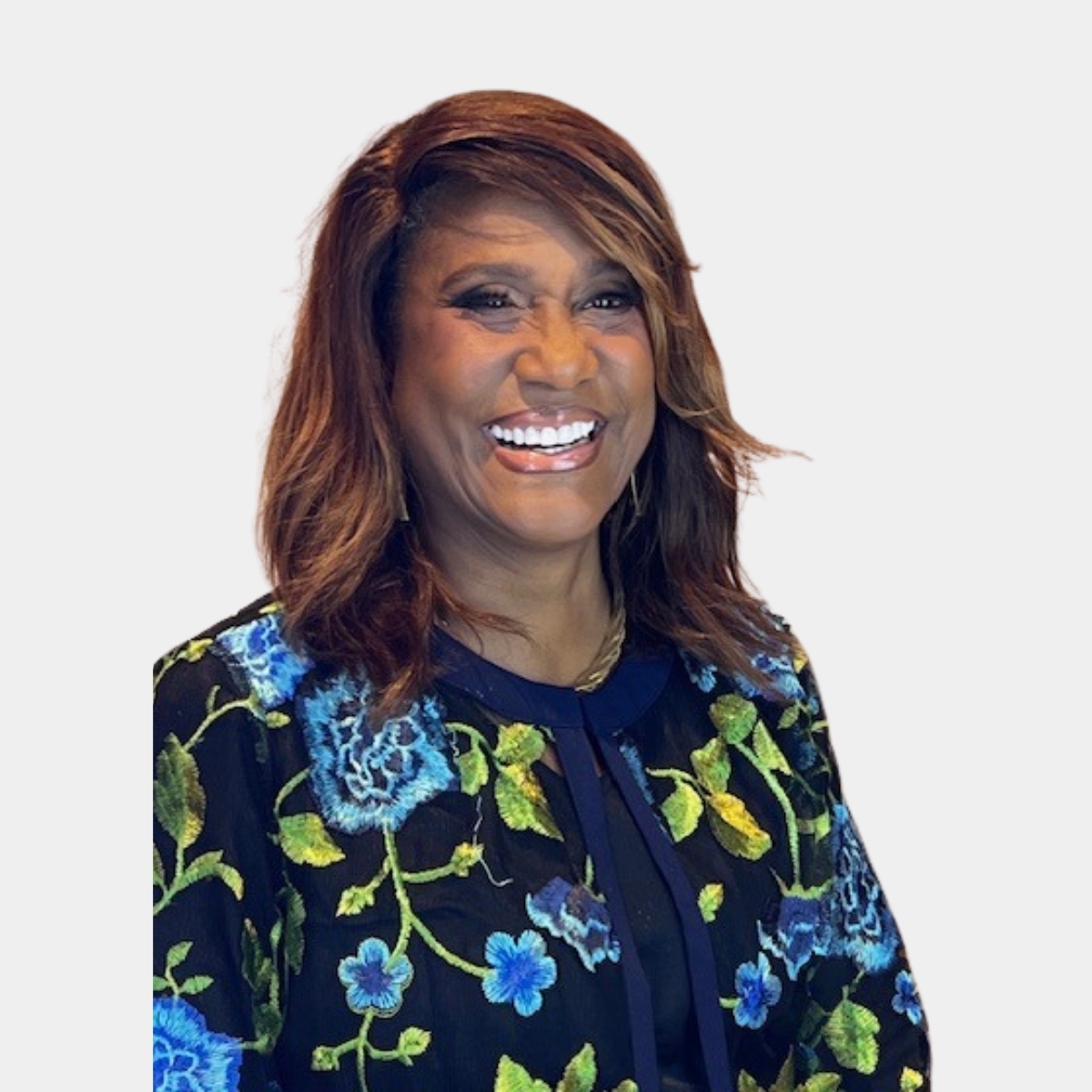
Article by
Franne McNeal
Franne McNeal, President, Significant Business Results LLC has helped 885+ small business owners collectively create 15,000 jobs and nearly $11 billion in revenue. We help architecture, engineering, and construction industry business owners with $1M-$20M in annual revenue, transform founder-dependent businesses into scalable, high-value enterprises. We solve the problems of low margins, inconsistent revenue and pressure to lower prices, by helping clients create a business that is an asset (one that runs without them), based on a proven system 8-pillar framework to increase the value of a business by 71%. We empower owners to move from being indispensable operators to intentional builders of enduring businesses, so they create financial & personal freedom. Our clients focus their energy for action to achieve significant business results.