.png)
Why Generic Business Advice Fails Architecture, Engineering or Construction Firms

As an owner of an architecture, engineering, or construction (AEC) firm, you’ve likely encountered a flood of generic business advice. Gurus on social media and best-selling authors promise explosive growth if you just “hustle harder,” “10x your marketing,” or “build a better funnel.” Yet, for you, this advice often falls flat. You work harder, but profits remain thin. You win more projects, only to find yourself more indispensable than ever.
The truth is, this advice fails because it was never designed for your industry. AEC firms operate on a fundamentally different model than the product-based or simple service businesses these gurus use as examples. Your challenges—from project-based revenue to high-stakes liability—require a specialized approach. Ignoring this distinction keeps you trapped, working in your business instead of on it, and wondering why the promised growth never materializes.
This article breaks down exactly why that standard advice is ineffective for AEC firms and provides a proven, industry-specific framework to build a valuable, scalable business that can thrive without your constant intervention.
The Fundamental Disconnect: Why Generic Business Gurus Don't Understand the AEC World
The core reason generic business advice fails is that it treats your bespoke, high-stakes service as a commodity. It assumes you can simply increase volume like a software company or a retail store, ignoring the unique operational realities of the AEC industry. This leads to a dangerous disconnect between the advice given and the results you can achieve.
The "Project Trap"
Your firm delivers complex, custom projects, not standardized products. Each job has unique requirements, timelines, and challenges. Generic advice on automation and standardization often overlooks the bespoke nature of your work, making it nearly impossible to implement without compromising quality. This keeps you, the expert, deeply entangled in daily operations.
The Danger of "Scaling Marketing"
For firms with tight profit margins and significant labor constraints, simply "getting more leads" can be a recipe for disaster. Without the systems to properly scope, price, and deliver, more work often leads to lower profitability, stressed teams, and a damaged reputation.
Product vs. Bespoke Service Mindset
Generic advisors champion a "product mindset"—create one thing and sell it many times. AEC owners, however, live in a "bespoke service mindset," solving a unique problem for each client. This expertise-driven approach is your strength, but it’s also what keeps you stuck as the primary problem-solver.
Overlooked Liability and Compliance
Standard business advice rarely accounts for the immense liability and stringent regulatory compliance inherent in architecture, engineering, and construction. A small error can lead to catastrophic failures and legal consequences, a reality that demands rigorous, expert-led oversight that can't be easily delegated or automated.
The Flaw of Standard Scaling Models in Architecture and Engineering
The typical advice for growth is to "just hire more people." In the AEC world, this is a dangerous oversimplification. Adding technical experts increases your payroll and overhead significantly, but it doesn't automatically increase profit margins. Without robust systems for project management, quality control, and client communication, new hires often require more of your direct supervision, pulling you further into the weeds and eroding profitability.
Taking on more work without a plan to manage owner dependency is the fastest way to burn out. You become the bottleneck, the only one who can approve key decisions, solve complex problems, or manage client relationships. The firm’s capacity becomes limited by your personal capacity, creating a ceiling on growth that no amount of hiring can fix.
Why 'Cash is King' Advice is Insufficient for Construction Cash Flow
While "cash is king" is true for any business, generic financial advice often misses the specific complexities of construction cash flow. AEC firms are not retail businesses with immediate payment. You contend with long payment cycles, where you may not see full payment for 60, 90, or even 120 days after completing work. On top of that, retainage can hold back a significant portion of your revenue for months or years.
This reality makes standard cash flow management advice ineffective. When you’re also navigating high interest rates, volatile material costs, and inconsistent project pipelines, you need a financial strategy built specifically for the project-based world. You need to know how to fund growth without taking on excessive risk and how to build a financial cushion that can withstand the industry's inherent unpredictability. For more on this, read our article on why cash flow is the silent killer of AEC firms.
The 8-Pillar Framework: Transforming Your Firm from a Job into an Asset
If generic advice is the problem, what is the solution? It begins with a fundamental mindset shift: you must transition from being an indispensable "operator" to an "intentional builder." An operator is essential to the day-to-day work; if they take a vacation, the business grinds to a halt. A builder, in contrast, creates systems, develops leaders, and constructs a business that functions and grows independently of them.
Infographic: The Operator vs. The Builder
The Operator (The Trap):
Focus
Daily tasks, project execution, fighting fires.
Value
Tied directly to their personal time and expertise.
Result
A high-paying but demanding job with no exit strategy. The business cannot function without them.
The Builder (The Asset):
Focus
Building systems, developing teams, long-term strategy.
Value
Resides in the company's operational efficiency and ability to generate profit independently.
Result
A valuable, sellable asset that provides financial and personal freedom.
This transition isn’t just a theoretical exercise. By implementing a proven system, you can build a more resilient and valuable company. The Value Builder System, a framework we use with AEC clients, has been shown to increase a business’s value by up to 71%. This system directly confronts the number one objection from AEC owners: "My business is too specialized to run without me." It provides a roadmap for turning your specialized knowledge into scalable processes, empowering your team to deliver consistent results without your constant oversight. The goal shifts from chasing the next project to systematically building long-term, transferable value.
Identifying the Drivers of Company Value
A potential buyer isn't just purchasing your client list or your past projects; they are buying your future profit stream. The less risky that profit stream appears, the more they are willing to pay. The 8 Key Drivers of Company Value are designed to de-risk your business and make its future performance predictable and reliable. These drivers include factors like your financial performance, growth potential, and how dependent the business is on you.
By focusing on these drivers, you begin to create systems that ensure operational efficiency and consistent quality. This could mean documenting your unique design process, standardizing your project management workflow, or developing a leadership team that can manage client relationships. Each system you build reduces the company’s reliance on you and proves to a potential acquirer that the business is a well-oiled machine, not a one-person show.
Ready to see how your business scores on these critical factors? Get the 8 Key Drivers of Company Value eBook to learn more.
Moving Toward Recurring Revenue in a Project-Based Industry
One of the most powerful ways to increase your firm's value is by creating recurring revenue. While the AEC industry is primarily project-based, there are innovative ways to build predictable income streams. This helps solve the "feast or famine" cycle of inconsistent revenue and reduces the constant downward pressure on pricing for one-off projects.
Consider implementing:
Maintenance Contracts
Offer ongoing service and inspection contracts for past projects.
Consulting Retainers
Provide clients with ongoing access to your expertise for a fixed monthly fee.
Phased Service Agreements
Structure large projects into smaller, recurring phases with predictable billing cycles.
These models create a stable financial foundation, making your business far more attractive to a buyer and giving you the resources to invest in strategic growth.Navigating the Transition: From Indispensable Operator to Strategic Leader
Making the shift from operator to builder requires intentional effort and a new set of tools. It's not enough to simply want to change; you need a structured process to guide your evolution as a leader and reshape your organization. This is where strategic planning, peer learning, and executive coaching become catalysts for transformation.
Strategic Planning Sessions
These are not your typical annual meetings. A focused strategic planning session helps you step away from the daily grind to define a clear vision, set measurable goals, and create an actionable plan to build a business that is less dependent on you.
Peer-to-Peer Masterminds
Solving complex AEC challenges is difficult in isolation. A mastermind group of non-competing AEC owners provides a confidential forum to share struggles, vet ideas, and learn from others who have successfully navigated similar obstacles.
Executive Coaching
As the leader, your growth is the company's growth. Executive coaching provides personalized guidance to enhance your leadership capabilities, improve your decision-making, and hold you accountable to your goal of becoming a strategic builder.
Ultimately, these tools are designed to help you build your most important asset: a business that can be sold, providing you with the personal and financial freedom you've worked so hard to achieve.
Building a Business That Runs Without You
The ultimate test of a business’s value is whether it can thrive when you’re not there. Does a two-week vacation require you to check emails constantly, or can your team handle operations seamlessly? Reducing founder dependency is a deliberate process of delegation and systemization. It starts with identifying your highest-value activities and delegating everything else.
Create a sustainable organizational structure by clearly defining roles and responsibilities. Empower your project managers and team leads to make decisions without your approval. Document key processes—from client intake to project closeout—so that excellence can be replicated by anyone on your team. This not only frees up your time to focus on strategy but also creates a more resilient and capable organization.
Preparing for a Successful Transition or Exit
Too many AEC owners wait until they are ready to retire to think about selling their business, only to discover it's unsellable. At that point, they realize they don't own an asset; they own a job that will simply end when they stop working. Effective exit planning should begin years before you intend to transition.
The work you do to reduce owner dependency and systematize your operations is the same work that maximizes your firm’s valuation. By building a business that runs on systems, you create a turnkey asset that is attractive to a wide range of buyers, whether it's an internal leadership team, a strategic acquirer, or a private equity group. This is the difference between closing your doors and securing a multi-million dollar exit that funds your retirement and solidifies your legacy.
If you are ready to stop being the indispensable operator and start building a valuable asset, the journey begins with a strategic conversation. Discover how our AEC-specific coaching can help you scale your business and prepare for a successful exit.
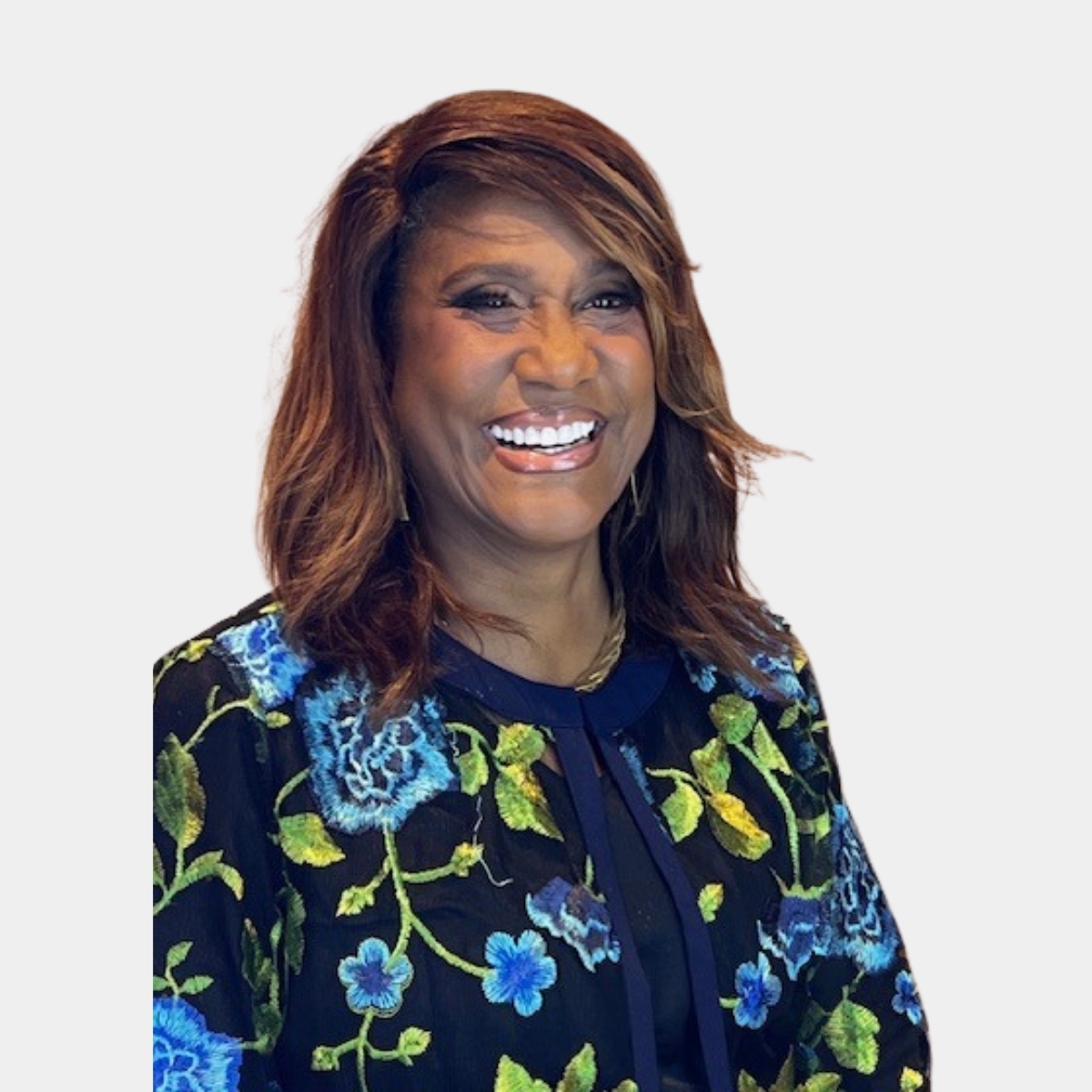
Article by
Franne McNeal
Franne McNeal, President, Significant Business Results LLC has helped 885+ small business owners collectively create 15,000 jobs and nearly $11 billion in revenue. We help architecture, engineering, and construction industry business owners with $1M-$20M in annual revenue, transform founder-dependent businesses into scalable, high-value enterprises. We solve the problems of low margins, inconsistent revenue and pressure to lower prices, by helping clients create a business that is an asset (one that runs without them), based on a proven system 8-pillar framework to increase the value of a business by 71%. We empower owners to move from being indispensable operators to intentional builders of enduring businesses, so they create financial & personal freedom. Our clients focus their energy for action to achieve significant business results.