.png)
61% of Contractors Are Buying AI While Running Jobs on Spreadsheets

Automating chaos creates expensive confusion at higher velocity. With the prime interest rate at 7.00% and construction material inflation at 10.09%, architecture, engineering, and construction firms managing $1M to $20M need operational precision—not digital window dressing. Rising labor costs and fragmented project files make it tempting to chase technological silver bullets instead of fixing foundational workflows.
Communication gaps and disorganized documentation erode already-thin margins. You did not start your business to spend sixty hours a week managing project fires or searching disconnected workbooks. Yet 61% of Contractors Are Buying AI While Running Jobs on Spreadsheets. Without standardized procedures and reliable data, new software becomes another abandoned subscription rather than a solution.
This article explains why advanced technology cannot compensate for disconnected spreadsheets. You will learn how standardized operations can reduce administrative friction, address knowledge bottlenecks, and increase overall firm enterprise value by 71%. With a deficit of 349,000 new workers, your firm cannot rely on the founder’s memory. It needs to operate as an asset that runs without you.
We will preview a proven 8-pillar framework and a three-step path from spreadsheets to scalable operations. The goal is a self-sustaining enterprise whose digital tools support reliable systems instead of masking gaps—giving you more time for strategic leadership.
Key Takeaways
• Why 61% of Contractors Are Buying AI While Running Jobs on Spreadsheets, often accelerating expensive errors.
• How to audit project handoffs and remove hidden knowledge bottlenecks.
• How to turn a founder-dependent job into a scalable asset.
• How an 8-pillar framework can increase enterprise value by 71% while restoring personal freedom.
Table of Contents
• The Software Paradox: Why Adding AI to Broken Spreadsheets Multiplies Chaos
• From Spreadsheets to Scalable Operations: A Three-Step Framework
• Building a Self-Sustaining Firm That Produces Value Without Owner Dependency
The Software Paradox: Why Adding AI to Broken Spreadsheets Multiplies Chaos
Technology is an accelerant, not a cure. When underlying data is flawed, algorithms produce errors faster. That is why 61% of Contractors Are Buying AI While Running Jobs on Spreadsheets is a warning, not simply a modernization trend. Automation cannot correct manual entry errors or communication gaps across disconnected workbooks.
Automating a flawed workflow locks in inefficiency and frustrates teams already facing a 10.09% increase in construction material costs. Real growth starts with standardized procedures and consistent outcomes. You must build operational stability before introducing advanced tools; otherwise, software only masks disorganization.
The True Cost of Running Complex Jobs on Disconnected Files
Static spreadsheets are digital silos that trap project data on individual hard drives. Owners may spend ten hours a week verifying figures that are already outdated, leaving less time for strategy or enterprise value. AEC business solutions should prioritize shared operational clarity over temporary patches. Without it, scaling increases the owner’s workload instead of creating a self-sustaining asset.
From Spreadsheets to Scalable Operations: A Three-Step Framework
Moving from founder-dependent operations to a scalable asset requires a sequence. The pattern behind 61% of Contractors Are Buying AI While Running Jobs on Spreadsheets shows why technology cannot fix a broken handoff. Begin by auditing communication channels and repetitive administrative friction. Knowledge bottlenecks pull owners back into daily work and prevent them from building enterprise value.
Next, document unified operating procedures so every project phase produces consistent outcomes without direct intervention. Only then should you introduce targeted software. This sequence prevents “faster confusion” and ensures digital tools support a proven system rather than mask operational gaps.
Establishing Reliable Operating Standards Before Selecting Technology Tools
Predictable growth requires field supervisors to handle routine queries autonomously and teams to follow strict data-formatting standards. If information remains inconsistent across spreadsheets, AI cannot provide meaningful insight. Assess your readiness with the 8 key drivers ebook. These fundamentals support building a scalable enterprise that increases in value by 71% and runs without you.
Building a Self-Sustaining Firm That Produces Value Without Owner Dependency
A firm dependent on the owner’s intuition is a liability rather than a transferable commercial asset. Modernization matters, but structural independence matters more. An 8-pillar framework can increase overall firm value by 71% while helping margins withstand a 10.09% increase in material costs and a prime interest rate of 7.00%. Structured systems are essential amid a deficit of 349,000 workers.
Transforming Daily Project Firefighting into Long-Term Enterprise Equity
Independent operating systems replace daily firefighting with predictable rhythms, reducing risk and restoring the freedom you sought when starting the business. Many leaders use specialized executive coaching to shift from hands-on operations to strategic asset building. Buyers favor documented, self-sustaining workflows over firms tied to one person’s expertise, making this transformation both a performance improvement and a durable legacy.
Shifting from Reactive Operations to Strategic Value
Market leadership requires system building rather than daily firefighting. The fact that 61% of Contractors Are Buying AI While Running Jobs on Spreadsheets highlights a widespread misallocation of capital. For architecture, engineering, and construction leaders managing $1M to $20M enterprises, standardized workflows should come before advanced technology and are essential to healthy margins.
An 8-pillar framework helps you become an asset builder and systematically increase company value by 71%. Discover how your operations score with the Value Builder Assessment. An enduring enterprise that runs reliably without you is possible.
Frequently Asked Questions
Why do so many contractors buy new software while continuing to use spreadsheets?
Contractors often buy software as a quick response to operational friction, hoping to avoid the discipline of standardizing workflows. Without changed habits, teams revert to familiar disconnected files. This explains why 61% of Contractors Are Buying AI While Running Jobs on Spreadsheets.
Can adding AI tools fix cash flow and project tracking issues in a contracting business?
No. Technology cannot resolve structural financial problems or poor documentation habits. If job costing is inaccurate in a spreadsheet, an algorithm automates the inaccuracy. A proven 8-pillar framework should establish reliable cash-flow and tracking systems before predictive automation is added.
What operational steps should an AEC firm complete before investing in automation software?
Audit project handoffs to find administrative friction, document unified procedures, and establish consistent data formatting across teams. These steps create a scalable asset instead of a founder-dependent firm that merely automates its existing chaos.
How does reducing owner dependency increase the market value of a construction business?
Acquirers pay a premium for businesses that operate reliably without the founder’s daily intervention. Standardized systems lower transition risk and can increase overall firm enterprise value by 71%, transforming a demanding job into a self-sustaining asset with long-term financial and personal freedom.
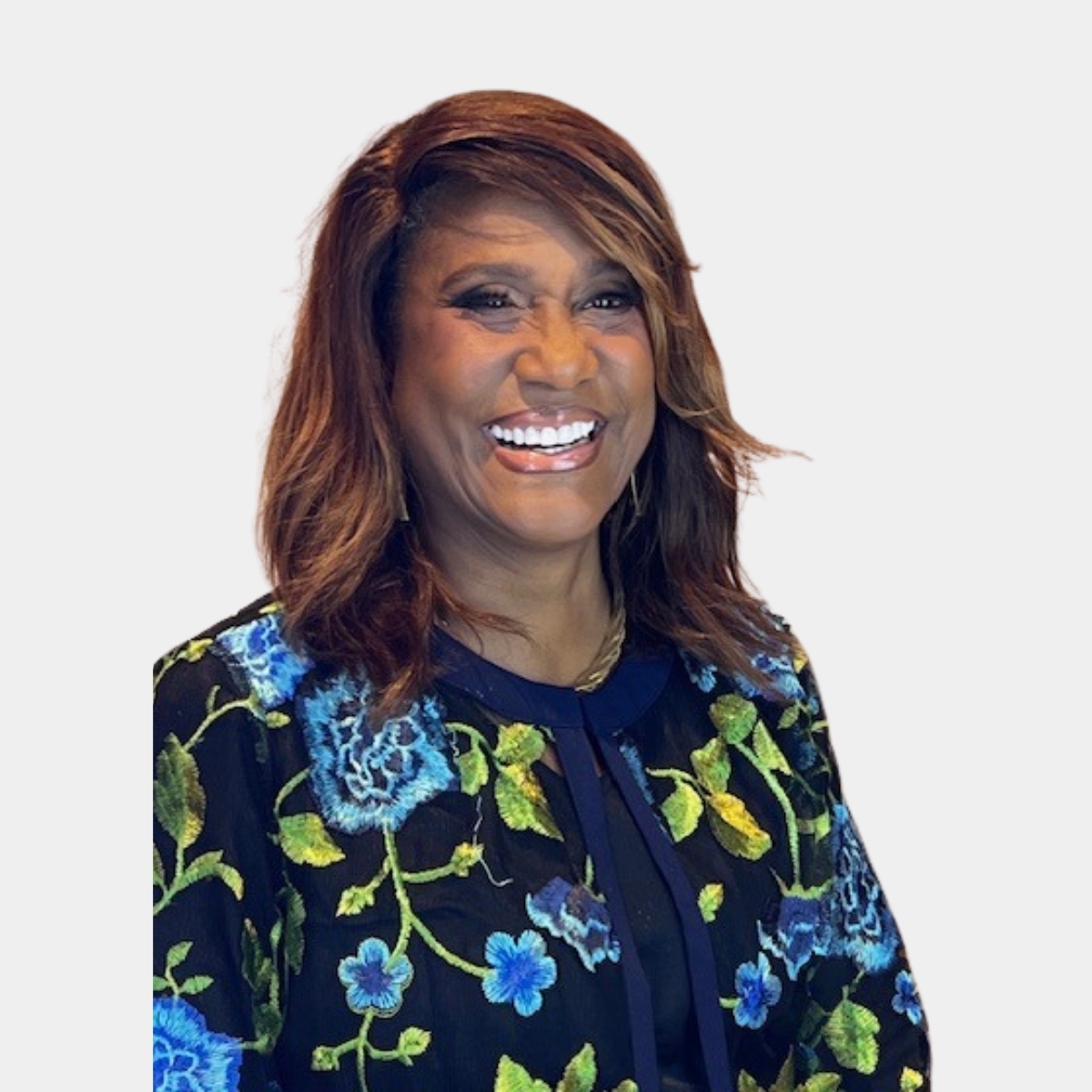
Article by
Franne McNeal
Franne McNeal, President, Significant Business Results LLC is known for helping architecture, engineering and construction firms with $1M-$20M in annual revenue, build scalable, transferable companies that increase in value, reduce owner dependence, and create more options for growth, succession, or sale. She help architects, engineers and construction firms become more valuable, so they don't collapse when the owner steps back. She solves the problems of low margins, inconsistent revenue and pressure to lower prices, by helping clients create a business that is an asset (one that runs without them), based on a proven system 8-pillar framework to increase the value of a business by 71%. Her clients are empowered to move from being indispensable operators to intentional builders of enduring businesses, so they create financial & personal freedom. Franne "FranneTastic" McNeal has helped 886+ small business owners collectively create 15,000 jobs and nearly $11 billion in revenue. She helps clients focus their energy for action to achieve significant business results.