.png)
How do I make my Engineering firm less dependent on me as the owner?

If you stepped away from your desk for a month, would you return to a thriving enterprise or a series of emergencies? Many engineering leaders find themselves trapped in a cycle where their technical expertise is both the firm's greatest asset and its most significant bottleneck. You're likely facing the reality that your personal capacity currently limits your revenue, leading you to ask: how do I make my engineering firm less dependent on me as the owner?
Transitioning from an indispensable operator to an intentional builder is the only way to transform your firm into a high-value asset that functions independently. This guide explores a strategic 8-pillar framework designed to increase business value by 71% while restoring your personal freedom. We'll move from identifying the constraints of founder-led growth to proposing a streamlined, systems-based solution for long-term stability.
Key Takeaways
• Identify the "Owner Trap" where your technical expertise limits growth, and learn how to shift from an indispensable operator to an intentional builder of a scalable asset.
• Implement the proven 8-pillar framework to transition your firm from a founder-led job into a high-value asset capable of running independently.
• Address the core challenge of "How do I make my engineering firm less dependent on me as the owner?" by dismantling the hub-and-spoke model of decision-making.
• Conduct a value assessment to identify dependency scores and begin building a leadership team focused on system-based accountability and long-term stability.
Table of Contents
• Diagnosing the 'Owner Trap' in Engineering Firm Operations
• The 8-Pillar Framework: Building a Business That Runs Without You
• Transitioning to an Intentional Builder: Implementation and Exit Readiness
Diagnosing the 'Owner Trap' in Engineering Firm Operations
The 'Owner Trap' occurs when your technical mastery becomes the primary constraint on your firm's growth. In the engineering sector, the 'Principal-as-Expert' model often creates a ceiling where the firm's capacity is strictly limited by the founder's hours. If you are asking, "How do I make my engineering firm less dependent on me as the owner?", you've likely realized that being the smartest person in the room is a strategic liability. This dependency triggers a heavy financial penalty; buyers see an owner-led firm as a risky job rather than a scalable asset, leading to significantly lower valuation multiples during an exit. To address these leadership bottlenecks and prepare your firm for growth, check out Simon Lead LLC for executive coaching.
Signs you are an indispensable operator include:
• Managing every client crisis personally instead of trusting a team.
• Attending every design review or project meeting to ensure quality.
• Feeling that revenue and production stop the moment you step away.
The True Cost of Indispensability for AEC Leaders
Dependency breeds inconsistent revenue and compressed margins because your firm cannot leverage economies of scale effectively. Without documented processes, your firm remains stuck at a performance plateau dictated by your personal bandwidth. This chaos factor prevents organizational stability, especially during economic shifts where a system-based business would pivot effortlessly.
When asking, "How do I make my engineering firm less dependent on me as the owner?", you're identifying the most direct path to institutional resilience. Owner Dependency is the primary risk factor for potential AEC firm acquirers because it represents a single point of failure.
The 8-Pillar Framework: Building a Business That Runs Without You
Shifting from a founder-led job to a scalable asset requires a rigorous methodology. The 8-pillar framework serves as a strategic blueprint for this evolution. At its core, you must address the Hub and Spoke pillar by dismantling the model where you are the center of every decision. If your firm relies on your constant approval, it lacks the autonomy required for a high-value exit. Addressing this structural bottleneck is the most effective answer to the question: how do I make my engineering firm less dependent on me as the owner?
Stability in the AEC sector often founders on the "feast or famine" cycle of one-off projects. Successful firms pivot toward recurring revenue by securing master service agreements that ensure predictable cash flow. when you ask yourself, how do I make my engineering firm less dependent on me as the owner, you'll find that predictable revenue is the engine of freedom. Additionally, the Monopoly Control pillar helps you identify a unique technical differentiator. This reduces price pressure and positions your firm as a premium partner rather than a commoditized service provider. Understanding The High Cost of Poor Succession Planning highlights why these structural changes are mandatory for long-term survival.
From Technical Delivery to Strategic Asset Management
Scaling requires you to productize your engineering services. This involves creating standardized workflows that ensure consistent quality without your direct oversight. You must also balance the Valuation Teeter-Totter; this involves managing the relationship between cash flow and growth to maximize firm liquidity. You can learn more about the 8 drivers of company value to see how these metrics impact your bottom line. Building a business that functions as an independent asset is the ultimate goal for any intentional AEC builder.
Transitioning to an Intentional Builder: Implementation and Exit Readiness
Transitioning from a technical expert to an intentional builder requires a structured implementation plan. The first step involves establishing an objective baseline. You must discover how our assessments identify your firm's growth potential to pin-point your current dependency score. This data-driven approach removes the guesswork from the question: how do I make my engineering firm less dependent on me as the owner?
Once you've identified the gaps, you must build a leadership team that moves beyond technical delivery into system-based accountability. This team doesn't just manage projects; they manage the systems that deliver those projects. In an era where employee tenure in engineering positions has declined by over 30% since 2012, down to 4.9 years, creating a 'Best-in-Class' culture is your only defense against labor shortages. High-growth AEC firms succeed because they attract top talent through organizational stability and clear career progression.
Documentation is the final hurdle in your operational evolution. You need standard operating procedures (SOPs) for design, project management, and client intake. These shouldn't be complex manuals; they're the repeatable blueprints for excellence that allow your team to function without your constant input.
Preparing Your Firm for a High-Value Transition or Sale
Reducing owner dependency isn't just about lifestyle. It's about equity. Data indicates that firms implementing this structured framework can increase their business value by 71%. An AEC business coach acts as a strategic partner here, facilitating leadership retreats and strategic planning sessions that move your firm from chaos to stability. Much like how Founder Freedom empowers B2C business owners to step back from daily operations, this specialized coaching allows engineering leaders to transition from being a bottleneck to becoming an intentional builder. By the time you're ready to exit, the business will function as a self-sustaining asset. This is the definitive answer to the question: how do I make my engineering firm less dependent on me as the owner?
Transitioning your firm from a technical job into a scalable asset is a strategic necessity for any leader seeking true freedom. By applying the proven 8-pillar framework, you can increase your business value by 71% while ensuring the organization thrives without your daily intervention. This journey requires moving beyond the hub-and-spoke model and documenting repeatable systems that protect against market chaos. If you're still asking, "How do I make my engineering firm less dependent on me as the owner?", the first step is gaining clarity on your current operational risks. As an authorized Value Builder System provider, we offer specialized AEC industry coaching to help you navigate this transition. You can get your Value Builder Score to see how dependent your firm is on you and begin building a more resilient, high-value enterprise. You've built a great firm; now it's time to build an enduring business.
Frequently Asked Questions
How do I start delegating technical design decisions without sacrificing quality?
You begin by codifying your technical standards into a "Company Design Standard" that exists independently of your memory. Implementing a peer-review system ensures quality control is distributed across the team rather than centralized in your office. This shift allows you to move from being the final reviewer to the architect of the system that maintains excellence. It is about building institutional knowledge and long-term stability.
Can an engineering firm really have recurring revenue?
Absolutely. Engineering firms achieve recurring revenue through Master Service Agreements (MSAs), multi-year maintenance contracts, or government infrastructure retainers. These agreements provide the predictable cash flow necessary to address the question: how do I make my engineering firm less dependent on me as the owner? Predictability reduces the "feast or famine" cycle and allows for more strategic, long-term resource planning, ultimately increasing your overall company valuation.
What is the 8-pillar framework for business value?
The 8-pillar framework is a strategic blueprint designed to increase business value by 71% by focusing on key drivers such as Financial Performance and the Hub and Spoke model. It provides a roadmap for transitioning a firm from a job for the owner into a high-value asset. This framework helps AEC leaders navigate economic chaos and achieve significant business results through operational efficiency and reduced risk.
How long does it typically take to reduce owner dependency in a mid-sized AEC firm?
Reducing owner dependency typically requires a 12 to 24-month implementation period. This duration is necessary to document core SOPs and shift the culture away from founder-reliance. When asking, how do I make my engineering firm less dependent on me as the owner, it is vital to view this as a strategic realignment rather than a quick fix. Owners eventually transition to intentional builders of scalable enterprises. If you are also applying these principles to a nonprofit venture, you can explore Professional Consulting and Capacity-Building Fees to ensure your mission-driven organization is built on a solid, sustainable foundation.
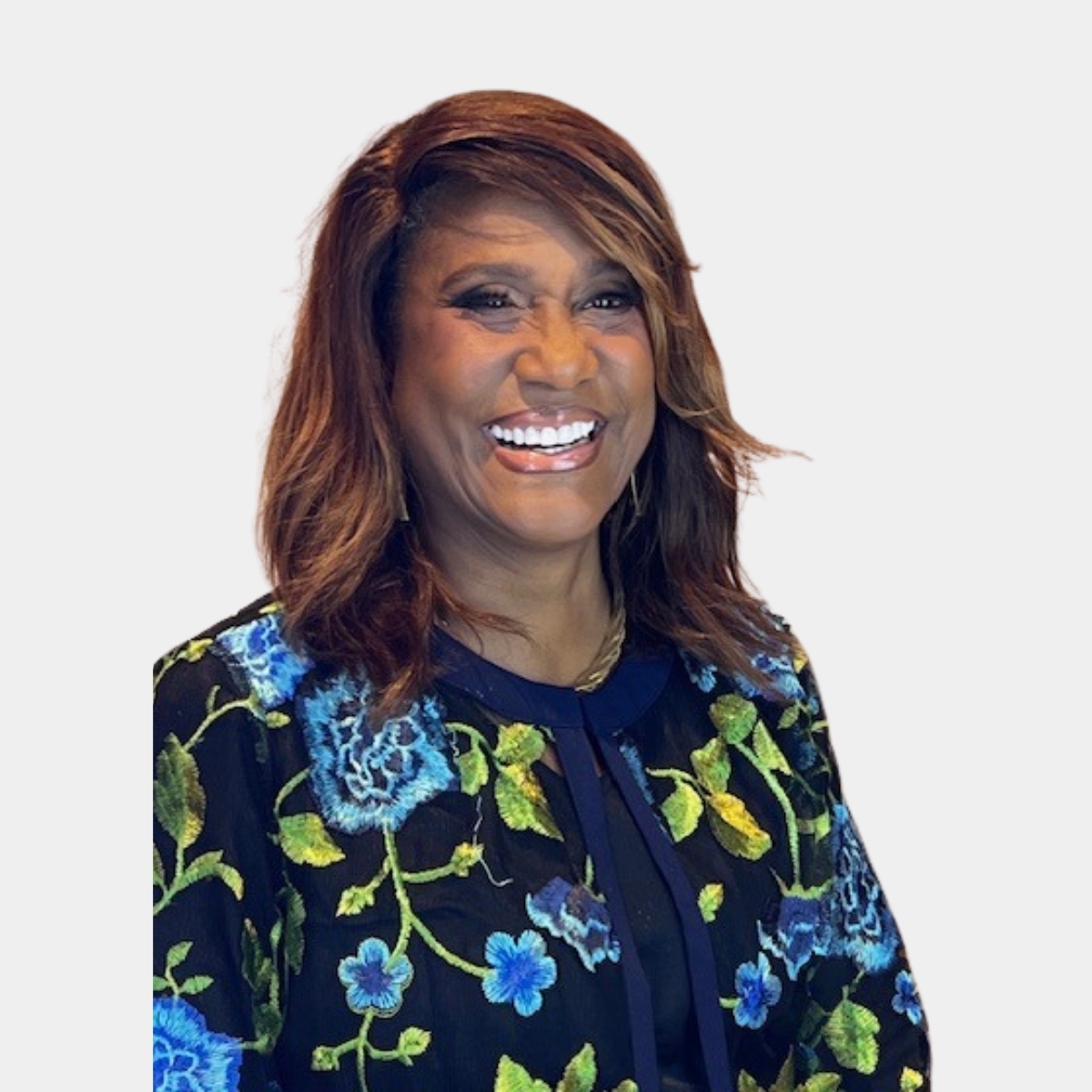
Article by
Franne McNeal
Franne McNeal, President, Significant Business Results LLC has helped 885+ small business owners collectively create 15,000 jobs and nearly $11 billion in revenue. I build architecture, engineering and construction (AEC) firms that are worth more and don't collapse when the owner steps back. We help architecture, engineering, and construction industry business owners with $1M-$20M in annual revenue, transform founder-dependent businesses into scalable, high-value enterprises. We solve the problems of low margins, inconsistent revenue and pressure to lower prices, by helping clients create a business that is an asset (one that runs without them), based on a proven system 8-pillar framework to increase the value of a business by 71%. We empower owners to move from being indispensable operators to intentional builders of enduring businesses, so they create financial & personal freedom. Our clients focus their energy for action to achieve significant business results.