.png)
Mentoring in Engineering Was Never Designed. Now the Handoff Is Broken.

A senior engineer’s expertise can leave the firm long before they do. Mentoring in Engineering Was Never Designed. Now the Handoff Is Broken. In an AEC business, practical judgment may sit with a few people, while project demands leave little time to pass it on. When responsibilities shift, the next person may be expected to deliver without understanding the choices behind the work. The result can be slower decisions and an owner pulled back into routine tasks.
Good intentions alone don’t make knowledge transfer dependable. The challenge is to make learning part of how the firm operates, even when deadlines, staffing changes, and daily demands compete for attention. A deliberate handoff helps people develop judgment, clarifies who owns each decision, and reduces reliance on a single person. The steps below can help you make mentoring part of project work and build a firm better prepared for continuity.
Key Takeaways
• Choose one critical responsibility, identify who holds the knowledge, and name a developing successor.
• Make the handoff practical: explain the work and decision context, let the learner practice, then review the outcome.
• Use Mentoring in Engineering Was Never Designed. Now the Handoff Is Broken. as a prompt to replace chance-based guidance with repeatable knowledge transfer.
• Connect mentoring to clear roles, repeatable processes, and leadership development to build a firm less dependent on owner intervention.
Table of Contents
• Why Engineering Mentorship Breaks Down When Knowledge Lives in People’s Heads
• How to Build a Practical Mentoring and Knowledge Handoff in an Engineering Firm
• Turn Better Engineering Mentorship Into a Firm That Can Run Without the Owner
Why Engineering Mentorship Breaks Down When Knowledge Lives in People’s Heads
Engineering mentorship transfers judgment, context, and working knowledge. It helps someone understand not only what to do, but why a particular choice makes sense. That difference matters when a project changes direction, a client raises a concern, or someone takes responsibility for work previously managed by a senior engineer.
Project pressure can push learning into spare moments: a quick explanation during a review, a few days of shadowing, or a message sent as a deadline approaches. Staff changes can interrupt these informal arrangements. If decisions and the reasons behind them remain in one person’s memory, a colleague may inherit a task without knowing the project history, constraints, or earlier trade-offs. The handoff still depends on the original knowledge holder being available.
Why technical expertise alone does not create effective mentors
An experienced engineer may complete a task confidently because practice has made the steps familiar. Explaining how to spot a turning point, weigh competing options, or recognize a risk takes a separate effort. Shadowing may show someone what the mentor does, but not why they do it. Expertise is what a person knows. Transferable knowledge is what they can help another person understand and apply.
Imagine an emerging leader watching a senior engineer revise a recommendation during a project review. Without the client context or lessons from earlier work, the change may seem arbitrary. When mentoring happens only by chance, people can learn the steps without developing the judgment to handle a similar decision independently. For owners, that can mean routine questions keep returning to experienced leaders, including the owner. The problem is not a lack of ability. It is missing context and a lack of structured practice.
How to Build a Practical Mentoring and Knowledge Handoff in an Engineering Firm
Make the transfer small enough to fit real project work and clear enough to repeat. Start with a responsibility that causes delays or depends heavily on one senior person. Identify who currently holds the knowledge and who is ready to develop the skill. The aim is not to remove oversight immediately. It is to give the next person a guided path toward taking responsibility.
Choose
Select a recurring responsibility that involves meaningful decisions, such as reviewing a design change or preparing a client update.
Pair
Name the experienced knowledge holder and the person developing the skill.
Practice
Have the mentor explain the task and the reasoning behind it. Then let the learner complete the work with appropriate review.
Review
Discuss what went well, what was missed, and what the learner should handle next time.
Use existing project reviews and one-to-one conversations to make these steps part of work already underway. After a deliverable or decision, ask the learner to explain the reasoning and name the next decision they expect to face. This helps reveal whether they understand the judgment involved, not just the sequence of instructions. The National Science Foundation’s engineering education research includes attention to engineers’ professional formation, reinforcing the value of developing skills alongside technical knowledge.
Capture the context, not just the steps
For each responsibility, record its purpose, key decisions, relevant client or project context, and known risks. Keep the notes useful: What could change the recommended approach? What needs review? When should the learner raise a concern? Add examples of past decisions where they clarify the reasoning. The goal is not to document every detail. It is to make essential knowledge easier for the team to find and use.
Then repeat the process with another responsibility. Over time, these practices connect individual learning to stronger operations and a more durable business asset. Significant Business Results provides strategic support for AEC business owners who want to develop leaders and reduce reliance on the owner.
Turn Better Engineering Mentorship Into a Firm That Can Run Without the Owner
A completed handoff can expand a firm’s capacity while keeping responsibility for decisions and results clear. That capacity matters when AEC owners face low margins, inconsistent revenue, pressure to lower prices, rising costs, high interest rates, labor shortages, limited subcontracts, cash flow problems, and regulatory compliance demands. A developing leader who can take on defined work gives the owner more room to address these pressures without becoming the answer to every routine question.
Mentorship alone won’t resolve owner dependence. It needs to work alongside clear roles, repeatable processes, and leadership development. People should know what they can decide, when to seek guidance, and how results will be reviewed. Start with one recurring decision you currently hold. Identify a team member who could learn to manage it, provide structured support, and review the results before widening their authority. If the work is not ready to transfer, clarify what knowledge or practice is missing and build that into the next handoff.
Make knowledge transfer part of building a lasting AEC business
Reliable handoffs help a firm deliver work beyond the founder’s direct involvement. They are one part of creating a durable business asset, not a standalone solution to dependence. Significant Business Results utilizes a structured framework designed to help owners improve overall performance. Its focus is helping AEC owners improve operations and build a business that can operate with less constant founder involvement.
For owners ready to connect leadership growth with stronger operations, AEC leadership coaching can support a more deliberate path toward a self-sustaining firm. Begin with one decision, strengthen the way responsibility is shared, and keep building a business that can perform beyond your daily intervention.
Make the Next Handoff a Leadership Decision
The title points to a practical choice for owners: decide which knowledge should no longer depend on you, then give someone else a chance to grow into that responsibility. Each deliberate handoff can shift your attention from keeping every detail moving to shaping the firm’s direction. The aim is not to disappear from the business. It is to reserve your judgment for the decisions where it matters most.
That transition takes more than goodwill. It calls for leadership habits and business practices that support consistent performance as your team takes on greater responsibility. Significant Business Results is led by Franne McNeal, an authorized Value Builder System provider, and helps AEC owners build businesses that operate without constant founder involvement.
If you’re ready to connect leadership growth with a more self-sustaining firm, explore AEC leadership coaching. Choose one decision to begin with, then take the next step toward building a business that can move forward with confidence.
Frequently Asked Questions
Why is mentorship in engineering often difficult to sustain?
Mentorship can be difficult to sustain when client demands and project deadlines leave little room for development conversations. It may also lose momentum if neither person knows what the learner should be able to do independently. Set one practical learning goal, such as leading a client update, and connect progress to work the team already needs to complete.
How can an engineering firm transfer knowledge when a senior employee leaves?
Identify which decisions, project details, or relationships could be difficult to manage after the employee leaves. Document examples of past choices, unresolved questions, and where the team can find current project information. Before the departure, involve the successor in relevant discussions so they can ask questions, hear the context, and clarify misunderstandings.
Can mentoring work when engineering teams are busy with project deadlines?
Yes. Mentoring can take place within a real assignment rather than as a separate meeting. Ask a developing engineer to prepare a project update, then use the normal review to discuss what they chose to emphasize and why. Keep the learning goal focused so the conversation supports the work instead of competing with it.
Is engineering mentorship the same as supervising an employee?
No. Supervision focuses on assigned work, expectations, and accountability for results. Mentoring supports someone’s growth in judgment and professional capability. The same senior engineer may do both, but make the purpose clear. A knowledge-transfer gap is a reason to develop capability, not to blur supervisory responsibility.
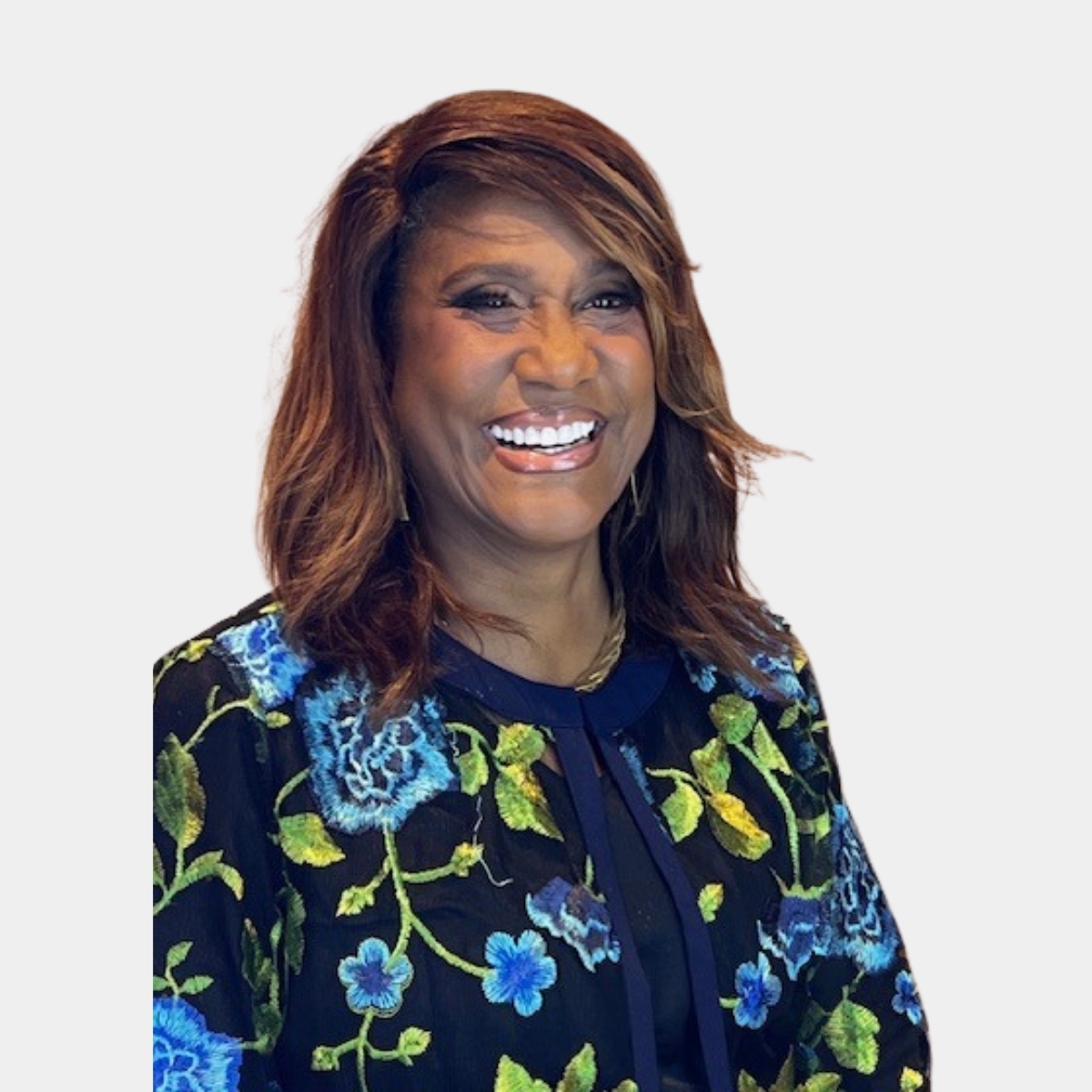
Article by
Franne McNeal
Franne McNeal, President, Significant Business Results LLC is known for helping architecture, engineering and construction firms with $1M-$20M in annual revenue, build scalable, transferable companies that increase in value, reduce owner dependence, and create more options for growth, succession, or sale. She help architects, engineers and construction firms become more valuable, so they don't collapse when the owner steps back. She solves the problems of low margins, inconsistent revenue and pressure to lower prices, by helping clients create a business that is an asset (one that runs without them), based on a proven system 8-pillar framework to increase the value of a business by 71%. Her clients are empowered to move from being indispensable operators to intentional builders of enduring businesses, so they create financial & personal freedom. Franne "FranneTastic" McNeal has helped 886+ small business owners collectively create 15,000 jobs and nearly $11 billion in revenue. She helps clients focus their energy for action to achieve significant business results.