.png)
Recurring revenue models for Architecture Firms

Table of Contents
• The Project-to-Project Trap: Why AEC Firms Struggle with Valuation
• Engineering Predictability: Three Recurring Revenue Models for AEC Service Businesses
• From Operator to Builder: Leveraging Revenue to Increase Your Multiplier
The Project-to-Project Trap: Why AEC Firms Struggle with Valuation
For most owners in the architecture, engineering, and construction (AEC) industry, the business rhythm is dictated by a relentless cycle: land a major project, deliver it, and then hunt for the next one. This project-to-project model feels normal, but it creates a significant ceiling on your firm’s value. It fuels the constant stress of inconsistent revenue, high overhead between milestones, and the ever-present fear that the pipeline might run dry.
This is the “hunting” model—a constant search for one-off contracts that, while profitable in the short term, makes your business entirely dependent on you. If you, the principal, stop selling, the firm stops growing. This is the definition of Owner Dependency, and it is the single biggest obstacle to building a valuable, sellable asset.
In contrast, a “farming” model cultivates predictable income that arrives automatically, requiring little to no new sales effort. This is the essence of recurring revenue in an AEC context: income that is stable, predictable, and decoupled from your personal involvement in every new deal.
The Valuation Ceiling for Design and Construction Firms
When potential buyers or investors evaluate an AEC firm, their primary concern is risk. A business built on a series of disconnected, high-stakes projects is inherently risky. Its cash flow is “lumpy” and unpredictable, making future performance difficult to forecast. Buyers heavily discount firms that cannot demonstrate stable, long-term contracts because they see a business that is one lost contract away from a crisis.
This is why so many technically brilliant and highly respected firms sell for a fraction of what their owners believe they are worth. The value isn’t in the last project you completed; it’s in the predictable profit you can guarantee for the next three to five years.
Moving from Indispensable Operator to Intentional Builder
To break through this valuation ceiling, a mindset shift is required. You must transition from prioritizing billable hours on the current project to building long-term business value. This means moving from an indispensable operator to an intentional asset builder. Ask yourself a critical question: If you took a three-month sabbatical, would your firm continue to generate revenue and operate smoothly? For most, the answer is no. This reveals that you have built a high-paying job, not a sellable asset. The strategic implementation of recurring revenue models for your service business is the bridge from one to the other.
Engineering Predictability: Three Recurring Revenue Models for AEC Service Businesses
Overcoming the objection that “my services are too bespoke for a recurring model” is the first step. Your expertise is precisely what clients will pay to access on an ongoing basis. Instead of selling your time in project-based blocks, you can package your knowledge into predictable, scalable offerings. Here are three proven models tailored for the AEC industry.
The Retainer Model
Move beyond the billable hour by offering ongoing advisory or "on-call" expertise. Large corporate or municipal clients with continuous needs for design, engineering, or compliance oversight are perfect candidates. The key is to structure these agreements based on the value of access to your expertise, not as a block of discounted hours. This positions your firm as a strategic partner, deeply integrated into the client’s long-term planning.
The Maintenance and Monitoring Model
The project's completion is not the end of your firm’s value. By leveraging technology like BIM, drones, or IoT sensors, you can offer subscription-based services to manage and monitor assets post-construction. This could include facility management subscriptions, predictive maintenance analytics for structural components, or energy efficiency monitoring. This model transforms existing project data into a low-labor, high-margin revenue stream.
The Productized Service Model
Package a specific, high-value component of your bespoke expertise into a standardized, repeatable service. This could be a subscription for quarterly site safety assessments, a fixed-fee pre-construction feasibility analysis package, or an automated code compliance auditing tool. By productizing your service, you create a scalable offering that new team members can deliver, directly reducing owner dependency and stabilizing margins.
The Maintenance and Monitoring Opportunity
For decades, AEC firms have handed over a completed building and walked away, leaving a massive revenue opportunity on the table. The data generated during the design and build phases is an incredibly valuable asset. By creating a service layer on top of this data, you can stay involved in the entire lifecycle of the building. This model directly addresses the low-margin problem prevalent in construction by creating a new income stream that doesn't rely on intensive manual labor or volatile material costs. It transforms your relationship with the client from a one-time transaction to a long-term partnership.
Retainers: Beyond the Billable Hour
The goal of a retainer is not to sell hours more cheaply; it is to sell outcomes and access. To structure these agreements for scalability, define a clear scope of services that includes strategic planning sessions, regular performance reviews, and priority access to your top talent. The monthly fee should reflect the value of having your firm’s institutional knowledge on-demand to prevent costly mistakes and seize opportunities. This value-based approach breaks the linear link between hours worked and revenue earned, allowing your firm to grow revenue without proportionally increasing headcount.
From Operator to Builder: Leveraging Revenue to Increase Your Multiplier
Implementing recurring revenue is more than a cash flow strategy; it is a core component of building a valuable, sellable company. At the heart of this transformation is The Value Builder System™, a proven methodology built on 8 key drivers that increase your company’s value. One of the most critical drivers is "The Switzerland Structure," which focuses on reducing dependency on any single employee, customer, or supplier.
However, the driver most directly impacted by recurring revenue is what we call Automaticity. This pillar measures the degree to which your business runs on its own, generating predictable revenue from systems rather than individual effort. Research from thousands of businesses shows that companies with a high Value Builder Score™—bolstered by strong recurring revenue—receive offers that are 71% higher than average-performing businesses.
This is the "Multiplier Effect" in action. A buyer will pay a much higher multiple for predictable, recurring earnings than for volatile, project-based profits. To begin this journey, you must first audit your current revenue. What percentage is truly automatic versus transactional? Answering this question is the first step toward building a more valuable firm. To see how your business currently measures up, you can determine your firm’s sellability with the Value Builder Score assessment.
Integrating Revenue Strategy into Your Exit Plan
A potential buyer will not be impressed by a recurring revenue model you implemented last quarter. They need to see a proven track record. To command a premium valuation, you need to demonstrate at least two to three years of consistent, predictable revenue history. This long-term view is essential for your exit plan.
Developing and refining these service models is not something you have to do alone. By collaborating with peers in a structured environment like an AEC mastermind group, you can learn from others who are facing the same challenges, share best practices, and hold yourself accountable for making the transition from operator to owner.
Achieving Financial and Personal Freedom
Ultimately, the goal of building a valuable business is to achieve freedom—both financial and personal. A firm that generates predictable income without your constant, hands-on involvement is a true asset. It provides a stable income, grows in value, and gives you the choice to one day sell it for a life-changing sum or hold it as a performing asset.
By shifting your focus from chasing the next project to building systems that generate recurring revenue, you are not just improving your firm's balance sheet. You are systematically reducing the headaches of rising costs and market volatility. You are building a resilient, valuable company that can thrive long into the future, with or without you at the helm.
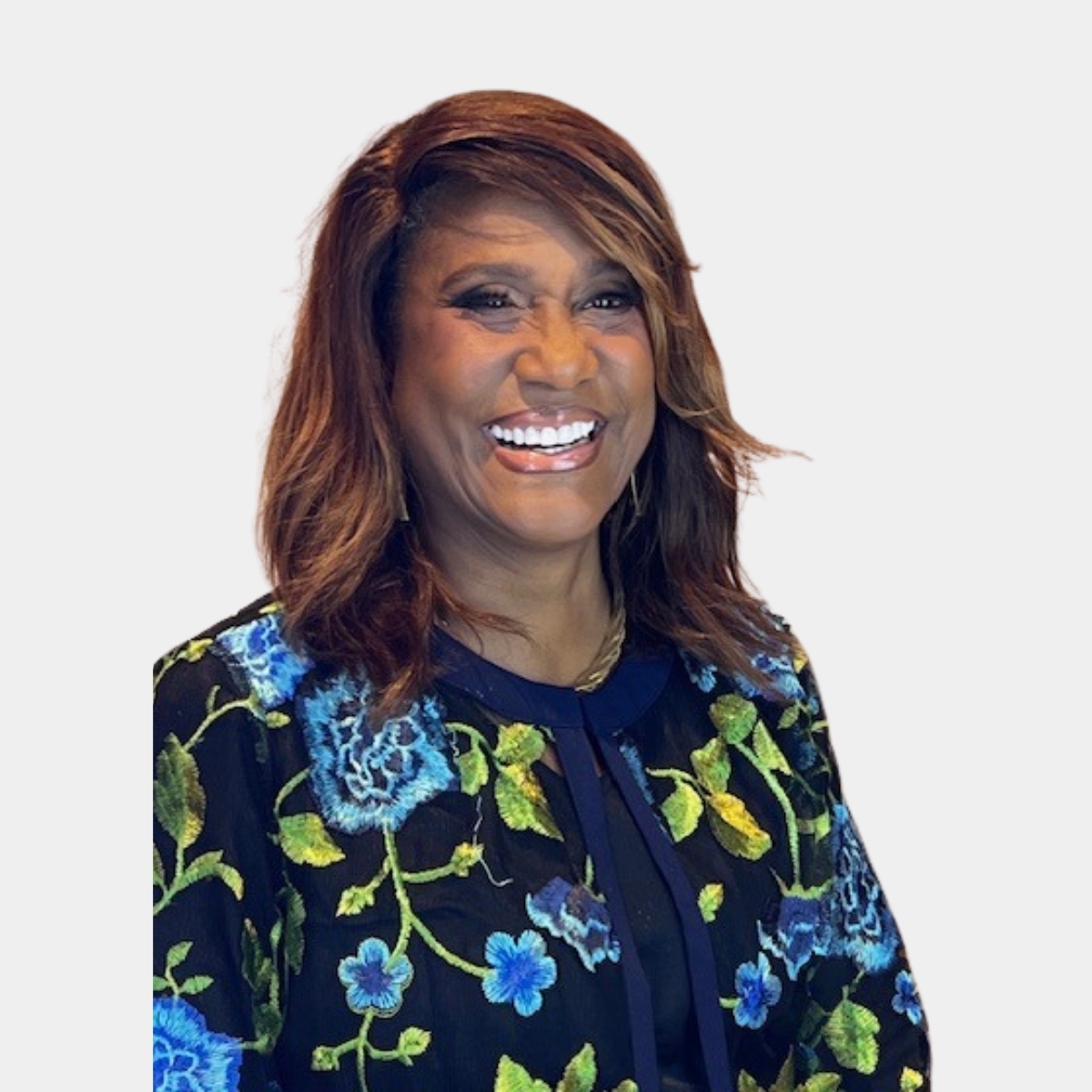
Article by
Franne McNeal
Franne McNeal, President, Significant Business Results LLC has helped 885+ small business owners collectively create 15,000 jobs and nearly $11 billion in revenue. We help architecture, engineering, and construction industry business owners with $1M-$20M in annual revenue, transform founder-dependent businesses into scalable, high-value enterprises. We solve the problems of low margins, inconsistent revenue and pressure to lower prices, by helping clients create a business that is an asset (one that runs without them), based on a proven system 8-pillar framework to increase the value of a business by 71%. We empower owners to move from being indispensable operators to intentional builders of enduring businesses, so they create financial & personal freedom. Our clients focus their energy for action to achieve significant business results.