.png)
The one question every Architecture, Engineering or Construction Firm owner must ask

Table of Contents
• Beyond Revenue: The Single Question That Defines Your Firm’s Future
• The 8-Pillar Framework: Building a Firm That Runs Without You
• Transitioning from Indispensable Operator to Intentional Builder
Beyond Revenue: The Single Question That Defines Your Firm’s Future
For principals of architecture, engineering, and construction (AEC) firms in the $1M-$20M revenue bracket, the daily pressures are immense. You navigate complex projects, manage client expectations, and battle industry headwinds like labor shortages and rising costs. Success is often measured by the next big contract or the bottom line of a recently completed project. But this focus on immediate performance, while necessary, obscures a far more critical metric: the true, transferable value of your business.
The relentless cycle of bidding, designing, and building can trap you in the role of an "indispensable operator." You are the firm’s chief rainmaker, lead technical expert, and primary problem-solver. While this central role may have fueled your initial growth, it has also become your greatest liability. It creates a business that is fundamentally dependent on you. To determine if this is your reality, there is one question every Architecture, Engineering, or Construction firm owner must ask themselves: If you were forbidden from contacting your office for 30 days, would your firm thrive or dive?
For most owners, the honest answer is unsettling. If your firm’s revenue, client relationships, and project delivery would grind to a halt without your daily intervention, you haven’t built a business asset. You’ve built a high-stakes, high-stress job. This distinction is the critical pivot point that determines your firm's long-term potential, its valuation, and your ultimate path to financial freedom.
The True Cost of Being Indispensable
Owner dependency is a silent killer of enterprise value. When a founder holds all the key client relationships and makes every critical decision, the business itself has little intrinsic worth beyond its tangible assets. Potential buyers don’t see a self-sustaining operation; they see a collection of projects and contracts held together by a single individual. This introduces a massive risk that directly translates to a lower valuation, or worse, makes the firm unsellable.
This operational model also drives the very pain points that keep you awake at night. It leads to inconsistent revenue streams that fluctuate with your personal capacity and contributes to low margins because you are too busy fighting fires to implement the systems needed for greater efficiency. The shift required is profound: a transition from tactical project management to strategic organizational leadership. It’s about building a company that delivers value, not just a founder who delivers projects.
AEC Industry Pain Points and the Need for Change
Today’s economic climate amplifies the risks of an owner-dependent model. Navigating persistent labor shortages and absorbing rising material costs requires systemic efficiency, not just harder work from the principal. Furthermore, in a high-interest-rate environment, sophisticated buyers and investors are more attracted to businesses that function as predictable, well-oiled assets. An "owner-led" firm, with its inherent vulnerabilities, becomes a less appealing acquisition target.
The market is sending a clear signal: the old model of the indispensable expert is no longer sustainable for building long-term wealth. The future belongs to AEC firms built on resilient systems, empowered teams, and scalable processes. This is the only way to create a business that is not only profitable today but also valuable and transition-ready for tomorrow. Learn more about our coaching for AEC principals and begin building a more resilient firm.
The 8-Pillar Framework: Building a Firm That Runs Without You
Breaking free from the owner trap requires a deliberate, structured approach. It’s not about working harder; it’s about redirecting your energy from daily fire-fighting to intentional system-building. The key is a proven methodology designed to increase the value and independence of your business. The Value Builder System™ is an 8-pillar framework that has helped business owners increase their company’s value by an average of 71%.
This framework provides a clear roadmap for transforming your practice into a scalable asset. It helps you identify and strengthen the eight core drivers that buyers and investors look for in a high-value company. By focusing on these pillars, you can methodically reduce your firm's dependency on you, diversify your risk, and standardize the complex processes that define AEC work. This is how you build a business that not only survives without you but is positioned to thrive.
The Core Value Drivers for Architecture and Engineering
To create a truly sellable asset, AEC owners must look beyond top-line revenue and focus on the underlying structures that create sustainable value. Three of the eight drivers are particularly critical for firms in this sector:
Financial Performance
This goes deeper than profitability on a single project. It’s about the quality and predictability of your earnings. Buyers want to see consistent, sustainable profits generated by the business’s systems, not the heroic efforts of its owner.
Growth Potential
A valuable firm has a clear, scalable path to future growth. Can your services be "productized" or standardized to be delivered by your team without requiring more of your personal time? This demonstrates that the firm’s growth is not limited by your capacity.
The Switzerland Structure
This pillar is about systematically reducing the firm’s reliance on any single employee, client, or supplier. The Switzerland Structure is a strategic risk-mitigation framework designed to make an engineering firm resilient by ensuring it is not held hostage by any single stakeholder. When no single client accounts for more than 15% of revenue and key operational knowledge is documented and shared, the business becomes inherently more stable and valuable.
Quantifying Your Progress
You cannot improve what you do not measure. Before you can begin the work of strengthening your business, you need an objective assessment of its current state. Understanding your firm's performance across the eight value drivers is the essential first step in planning a successful exit or transition. This baseline provides clarity on your strengths and, more importantly, pinpoints the specific areas that require immediate attention to build a more valuable, independent company.
Knowing your score illuminates the path forward, transforming a vague goal of "increasing value" into a concrete action plan. It is the starting point for every owner who is serious about building a business that can one day operate without them. Get your Value Builder Score here to establish your baseline today.
Transitioning from Indispensable Operator to Intentional Builder
The journey from being the central cog in your firm to becoming its strategic architect is a multi-stage process. It begins with a fundamental mindset shift, followed by the disciplined implementation of systems that enable delegation, accountability, and scale. This transition is the core of preparing your business for a successful sale, even if that event is years away. The goal is to create a business that is always ready for a transition because it is built on a foundation of operational excellence, not owner dependency.
By focusing on long-term performance over daily tasks, you begin to achieve significant business results that compound over time. This involves delegating high-value tasks you’ve always held onto, empowering your team to take ownership, and creating clear lines of accountability. Every step you take to make yourself less essential makes your business more valuable.
Implementing Systems That Scale
True scale in the AEC industry is not achieved by hiring more people to replicate the owner’s efforts; it is achieved through robust systems. This means creating and documenting Standard Operating Procedures (SOPs) for every critical function—from design and bidding to project delivery and client management. These systems ensure consistency, reduce errors, and make your firm’s performance predictable and repeatable.
Equally important is building a leadership team that can share the burden of strategic decision-making. An empowered second-in-command or a management team that operates with autonomy is one of the most valuable assets you can cultivate. They are the engine that will run the business when you are no longer there. Explore our AEC resources and case studies to see how other firm owners have implemented these strategies.
Your Path to Freedom
For a firm owner with $1M-$20M in revenue, "freedom" isn’t just a dream of retirement. It’s the ability to take a four-week vacation without constant calls from the office. It’s the financial security to choose whether you work, not the necessity to do so. It’s the confidence that the legacy you’ve built will continue to grow and provide value long after you’ve stepped away. This is the ultimate goal: a firm that provides value to the market and generates wealth for its owner, independently and sustainably.
The final measure of your success as an entrepreneur is not how well the business runs with you, but how well it runs without you. For this reason, exit readiness is the ultimate indicator of a healthy AEC firm. A business that is prepared for a successful transition at any moment is, by definition, a strong, resilient, and highly valuable asset. It is the culmination of your shift from an indispensable operator to an intentional builder.
Start building a business that runs without you today.
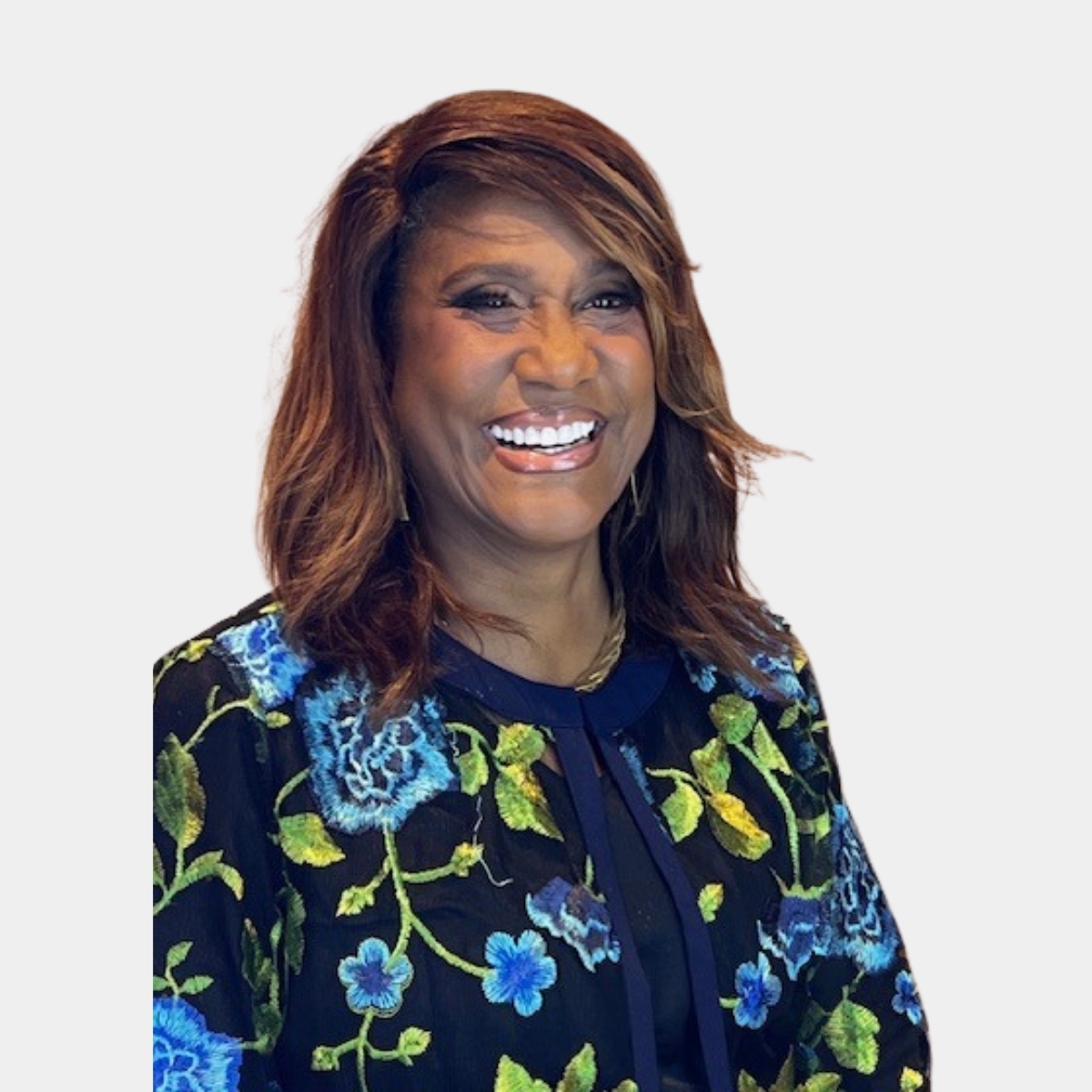
Article by
Franne McNeal
Franne McNeal, President, Significant Business Results LLC has helped 885+ small business owners collectively create 15,000 jobs and nearly $11 billion in revenue. We help architecture, engineering, and construction industry business owners with $1M-$20M in annual revenue, transform founder-dependent businesses into scalable, high-value enterprises. We solve the problems of low margins, inconsistent revenue and pressure to lower prices, by helping clients create a business that is an asset (one that runs without them), based on a proven system 8-pillar framework to increase the value of a business by 71%. We empower owners to move from being indispensable operators to intentional builders of enduring businesses, so they create financial & personal freedom. Our clients focus their energy for action to achieve significant business results.