.png)
Why do architecture, engineering or construction firms that look successful on the surface sell for pennies on the dollar?

Table of Contents
• The Illusion of AEC Success: Why Revenue Does Not Equal Value
• The 'Owner Trap' and the 8 Drivers of AEC Company Value
• Your Roadmap to a Premium Exit: Transitioning to an Asset
The Illusion of AEC Success: Why Revenue Does Not Equal Value
In the architecture, engineering, and construction (AEC) industry, the markers of success are often deceptive. You see a firm with a high-profile project portfolio, a growing headcount, and impressive annual revenue. On the surface, it looks like a thriving enterprise. Yet, when the owner decides to sell, the offers are shockingly low—pennies on the dollar. This disconnect happens because the market values a business very differently than its owner does.
Many AEC leaders fall into the trap of focusing on "Vanity Metrics." These are the numbers that look good in a press release: gross revenue, number of employees, square footage of projects completed. While they indicate activity, they say nothing about the health or transferability of the business. Buyers, on the other hand, care only about "Sanity Metrics": profit margins, recurring cash flow, and most importantly, the business's ability to generate future profits without its current owner.
This leads to the "Indispensable Operator" trap. The founder, often the lead architect, principal engineer, or chief rainmaker, is the central hub around which the entire firm revolves. They hold all the key client relationships and make every critical decision. To the owner, this feels like control and expertise. To a buyer, it represents a massive risk. If the business cannot function—or retain its clients—once the founder leaves, it has no standalone value. It’s not a sellable asset; it's a high-stress, high-paying job that simply cannot be transferred.
The Valuation Ceiling for Founder-Led Firms
A business built entirely around its founder’s personal brand and relationships has a built-in valuation ceiling. A potential acquirer sees this owner-dependency and immediately discounts the price. Why? Because they are not just buying a company; they are buying the risk that its revenue engine will walk out the door the day the deal closes. This is the fundamental difference between a "Lifestyle Business," designed to generate income for its owner, and a "Scalable Enterprise," engineered to operate and grow independently. A lifestyle business can be very profitable, but its value is tied to a person. A scalable enterprise has value embedded in its systems, team, and processes.
Moving from Operator to Intentional Builder
The transition from a low-value firm to a high-value asset requires a profound psychological shift. The owner must stop being the "Lead Designer" or primary project manager and start being the CEO. This means moving from working in the business to working on the business. The goal is to build a company that is more than just a reflection of your personal talent. It must become a durable asset.
How can you tell which one you have? Ask yourself a simple question: If you took a six-week, completely unplugged vacation, would your business grow, shrink, or collapse? The answer reveals whether you own a business or a job. If the thought alone causes anxiety, it is time to start building an asset. The ability to step away is a clear indicator of transferable value.
The 'Owner Trap' and the 8 Drivers of AEC Company Value
Escaping the "Owner Trap" is not about working harder; it is about working smarter on the elements that create transferable value. The Value Builder System™ provides a proven framework for this, centered on 8 key drivers that can increase a company's value by an average of 71%. By systematically strengthening these pillars, you can transform your practice from a founder-dependent operation into a highly desirable asset.
One of the most critical drivers for AEC firms is dismantling the "Hub and Spoke" model. If you are the hub and your employees and clients are the spokes, your business is vulnerable. A buyer will not pay a premium for a company that will fall apart without its central figure. The goal is to create a management team and operational systems that can handle client relationships, sales, and project delivery without your daily intervention. Being irreplaceable is not a strength; it is a liability that makes your firm unsellable.
Another challenge is establishing "Recurring Revenue." The project-based nature of the AEC industry creates unpredictable revenue streams, which buyers dislike. While you may not have subscription-based contracts, you can create predictability through service and maintenance agreements, phased master plans, or long-term client retainers. The more predictable your future revenue, the higher the multiple a buyer will be willing to pay.
Finally, consider the "Switzerland Structure." This driver measures your firm’s independence from any single client, employee, or supplier. If more than 15% of your revenue comes from one client, you are at their mercy. An acquirer sees this as a major risk. Diversifying your client base and developing redundant systems ensures that the loss of any single relationship is not a catastrophic event.
Financial Performance vs. Financial Potential
Your impressive portfolio and past design awards are part of your history, but buyers are paying for the future. They scrutinize your financial records to predict future earnings, not to admire past achievements. Consistent revenue, predictable profit margins, and a clean balance sheet are far more valuable than a folder of glossy project photos. Buyers want to see a reliable financial engine they can step into and grow. They are investing in your firm’s potential, which is demonstrated by its current systemic health and operational efficiency.
Action
Learn more about the 8 key drivers of value and how they apply to your AEC firm.
Systemizing the Unsystemizable
A common objection from AEC owners is, "My work is creative and technical; it cannot be systemized." This is a myth that keeps firms trapped in the "Indispensable Operator" model. While a flash of design genius cannot be bottled, the processes that support it absolutely can. You can create Standard Operating Procedures (SOPs) for everything from client intake and proposal writing to project management and billing. These systems ensure consistency, reduce errors, improve profitability, and, most importantly, make your operations transferable to a new owner. Systems are what allow your team to deliver excellent results without you.
Your Roadmap to a Premium Exit: Transitioning to an Asset
Transforming your AEC firm into a sellable asset is a multi-year process that requires intentional effort. It begins with understanding where you stand today and identifying the specific areas of your business that are suppressing its value. From there, you can build a strategic roadmap to systematically increase your company’s worth and prepare for a successful exit.
The first step is to get an objective measure of your firm's sellability. A formal assessment can provide a clear baseline and highlight your strengths and weaknesses across the 8 key value drivers. This data-driven insight removes the guesswork and allows you to focus your efforts where they will have the greatest impact on your enterprise value.
• Start with a Value Builder Score to identify your current baseline.
With a clear baseline, the next phase is building a leadership team that can operate independently. This often involves a leadership mastermind approach, where your key managers are coached to take on greater responsibility for decision-making and business development. You must empower them to run their departments, manage client relationships, and drive growth without your constant oversight.
At the same time, focus on "productizing" your services. This does not mean turning your custom design or engineering work into a commodity. It means defining and packaging your services in a way that makes them easier to sell and deliver repeatably. Create a clear sales process, standardized proposals, and defined project scopes. A repeatable sales engine is a valuable asset that can be managed and scaled by a team, significantly reducing reliance on the founder as the sole rainmaker.
Building a Business That Runs Without You
The ultimate goal is to transition from working "in the business" to "on the business." This requires delegating high-level decision-making to your executive team and trusting them to execute. Your role shifts from day-to-day operations to long-term strategy, guided by structured strategic planning sessions. You become the chairman of the board, not the chief firefighter. This is the only sustainable path to creating a business that has value independent of you.
Action
Explore executive leadership coaching for AEC owners to build a team that can lead without you.
Final Preparation for a Successful Transition
As you approach a potential sale, the final steps involve cleaning up any remaining issues that could deter a buyer. This includes organizing your financials for due diligence, resolving any operational inefficiencies, and mitigating risks. Address potential red flags like labor shortages or inconsistent subcontractor performance by documenting robust internal systems for hiring, training, and vendor management. The cleaner and more resilient your operations appear, the more confident a buyer will be in their investment, and the higher the price you will command.
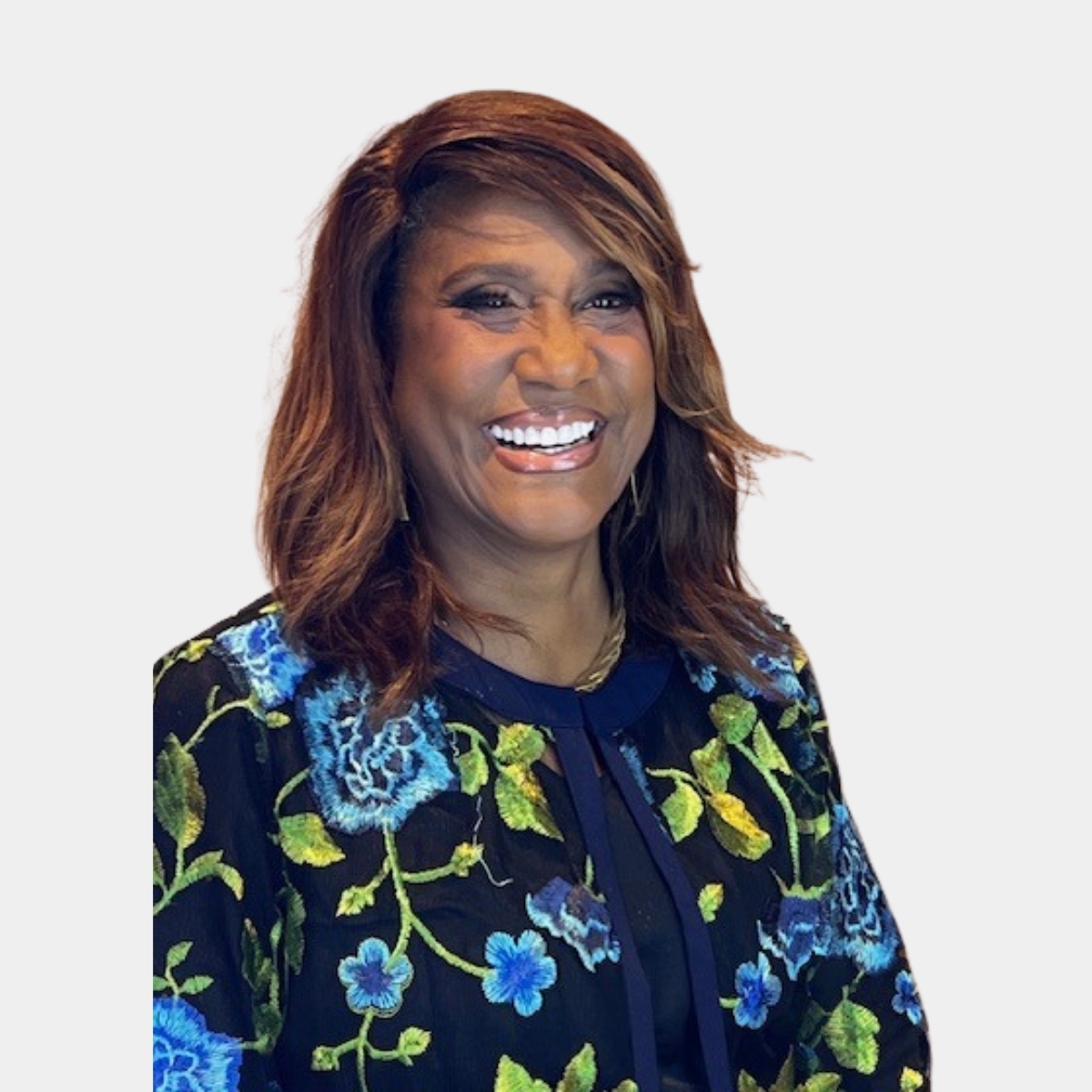
Article by
Franne McNeal
Franne McNeal, President, Significant Business Results LLC has helped 885+ small business owners collectively create 15,000 jobs and nearly $11 billion in revenue. We help architecture, engineering, and construction industry business owners with $1M-$20M in annual revenue, transform founder-dependent businesses into scalable, high-value enterprises. We solve the problems of low margins, inconsistent revenue and pressure to lower prices, by helping clients create a business that is an asset (one that runs without them), based on a proven system 8-pillar framework to increase the value of a business by 71%. We empower owners to move from being indispensable operators to intentional builders of enduring businesses, so they create financial & personal freedom. Our clients focus their energy for action to achieve significant business results.