.png)
Why does every additional year you wait to build business systems cost you exponentially more?

Table of Contents
• The Architecture of Operational Debt: Why Delaying Systems Is an Active Expense
• The Mathematical Reality of Waiting: Multiple Compression vs. Asset Expansion
• Implementing the 8-Pillar Framework to Stop the Compounding Clock
The Architecture of Operational Debt: Why Delaying Systems Is an Active Expense
For owners of architecture, engineering, and construction (AEC) firms, the idea of building business systems often gets pushed to a perpetual “tomorrow.” The daily demands of client management, project delivery, and team oversight feel far more urgent. Yet, this delay is not a neutral act of postponement; it is an active and compounding expense. This is the cost of Operational Debt.
Operational Debt is the accumulated cost of all the workarounds, inefficiencies, and direct owner interventions required to keep a system-less AEC firm functioning. It’s the extra hours you spend fixing a bid, the revenue lost because a project manager resigned and took critical knowledge with them, and the opportunities missed because you were too busy fighting fires to pursue them. In short, operational debt is the compounding interest you pay on the decision to remain the “indispensable operator.”
Each year you wait, this debt grows, primarily through what we call "Owner Dependency Debt." The more the firm relies on your personal involvement for every critical function, the more indispensable you become. While this may feel like job security, it makes the business itself less secure, less scalable, and significantly less valuable. In an industry already grappling with persistent labor shortages, this dependency creates a critical point of failure. When losing a single key employee can trigger a financial crisis, it’s a clear sign that your operational debt has become unmanageable.
The Invisible Compound Interest of the Owner Trap
Many AEC firm owners operate within a "hub-and-spoke" model, with themselves at the center of every decision. This structure is the primary engine of the Owner Trap. Every request, approval, and question must pass through you, creating bottlenecks that slow project timelines, frustrate your team, and cap your firm’s growth potential. The more the firm grows, the worse the bottleneck becomes, and growth slows exponentially.
This forces you into the role of a full-time firefighter. However, the time you spend solving daily crises is time you are not spending on high-level strategy, business development, or innovation. Your effective hourly rate as a firefighter is a net loss for the firm, as it prevents you from doing the visionary work that actually builds long-term value. You're working in the business, not on it, and paying a steep price for it.
Knowledge Departure and the Fragility of AEC Operations
In a system-less firm, your most valuable asset isn’t your portfolio; it’s the institutional knowledge locked inside the minds of your senior staff. When processes for bidding, project management, and client communication are not documented, you become a hostage to your key employees. Their departure means the loss of irreplaceable operational intelligence, leading to project delays, quality control issues, and damaged client relationships.
This fragility is magnified by today’s competitive labor market. The cost of training new hires skyrockets when there are no standardized procedures to follow. New team members must learn through a slow, error-prone process of observation and tribal knowledge, draining the time of your senior staff and delaying the new hire's ability to become a productive contributor. Every year you wait to document your processes, the cost and risk of this knowledge departure escalate.
The Mathematical Reality of Waiting: Multiple Compression vs. Asset Expansion
The most significant cost of delaying systems isn’t measured in lost hours; it’s measured in lost enterprise value. To understand this, we must distinguish between a business that is a high-performance “Job” and one that is a valuable “Asset.” A Job depends on the owner’s personal skill and presence to generate revenue. An Asset, powered by systems, generates predictable revenue and profits regardless of who is in the office.
Potential buyers and investors pay a premium for assets, not jobs. This is where the mathematical reality of “Multiple Compression” comes into play. A system-less, owner-dependent AEC firm might sell for a low multiple of its profit, perhaps 2x or 3x, because the buyer is acquiring a high-risk operation. In contrast, a competitor with robust systems, recurring revenue streams, and a strong management team can command multiples of 5x, 6x, or even higher. Every year you delay building systems, you are actively compressing your valuation multiple and leaving millions on the table.
This is the opportunity cost of capital: the immense financial loss incurred because your business wasn't structured as a sellable asset this year. It's the difference between a modest exit and a legacy-defining one. A key part of building a sellable asset is understanding what buyers look for. You can learn more by reading about the 8 key drivers that determine if your engineering firm is sellable.
Why a System-Less Firm Is a Job, Not an Asset
There is a fundamental difference between ‘Revenue’ (the money your firm makes) and ‘Value’ (what someone will pay for what you’ve built). High revenue in an owner-dependent firm is often inconsistent and perceived as high-risk by outsiders. It’s tied directly to you, your relationships, and your personal effort.
Systems are the mechanism that transforms inconsistent revenue into a predictable, recurring asset. When you have documented processes for marketing, sales, project delivery, and financial management, you create a business that is stable and scalable. This predictability is what attracts premium buyers and savvy investors. They aren’t just buying your current book of business; they are buying your engine for future growth.
The Escalating Price of Reclaiming Your Personal Freedom
The cost of waiting isn’t just financial; it’s deeply personal. The relentless pressure of being the indispensable operator leads directly to burnout. After years of firefighting, many owners find themselves exhausted and disillusioned, leading them to accept a lowball offer in a “fire sale” just to escape the pressure. The longer you wait, the higher the psychological toll and the greater the risk of a desperation-driven exit.
Conversely, implementing systems is the single most effective way to buy back your time and reclaim your freedom. Documented processes empower your team to make decisions and manage operations without your constant oversight. This frees you to focus on high-level AEC strategy, mentor your future leaders, or simply take a vacation without worrying that the business will grind to a halt. Systems are the architecture of your personal and financial freedom.
Implementing the 8-Pillar Framework to Stop the Compounding Clock
The antidote to operational debt, owner dependency, and multiple compression is a structured, intentional approach to building your business as an asset. The 8-pillar framework, based on The Value Builder System™, provides a proven roadmap for AEC firm owners to stop the compounding clock of delay. This framework focuses on eight specific drivers that are statistically proven to increase company value.
By systematically strengthening these drivers, businesses have been shown to increase their value by an average of 71%. This isn't about working harder; it's about working smarter. It’s about making the critical transition from being the "Indispensable Operator," who is a slave to the business, to the "Intentional Builder," who is designing a business to serve their life.
This strategic shift requires a new mindset and a structured approach. It involves creating systems that allow the business to run efficiently and profitably without your daily intervention. For those ready to make this transition, our AEC coaching and mastermind programs provide the guidance and peer support needed to navigate this journey successfully.
Building an Asset That Runs Without You
A key step in this process is to "productize" your services. This means standardizing your offerings, defining clear scope and deliverables, and creating repeatable processes for execution. For an AEC firm, this could involve developing tiered design packages, creating a fixed-fee diagnostic service, or streamlining your proposal generation process. Productizing services reduces margin pressure, makes your firm less sensitive to price-based competition, and creates a more predictable revenue model—a core component of a valuable asset.
Engaging with peers who are on the same journey can provide invaluable perspective. The Significant Business Results Mastermind allows you to share challenges and solutions with other AEC owners who are actively working to scale their firms and reduce their own dependency, accelerating your progress and helping you avoid common pitfalls.
Your Immediate Next Steps for Strategic Growth
The cost of waiting another year is too high. The operational debt, the lost valuation, and the personal burnout will only continue to compound. Breaking this expensive cycle begins with a single, decisive action.
The most important first step is to get an objective, data-driven baseline of your firm's current performance across the eight key value drivers. This will highlight your strengths and, more importantly, identify the areas of dependency and operational debt that pose the greatest risk to your value. Understanding where you stand is the foundation of any strategic plan for growth.
You don't need to boil the ocean. Start today by choosing to systematize just one critical function—whether it's your client intake process, your project kickoff procedure, or your invoicing system. That one step breaks the exponential cost curve of waiting and puts you on the path to building a more valuable, scalable, and resilient AEC firm.
Discover your firm's current value and identify growth gaps with our Value Builder Score assessment.
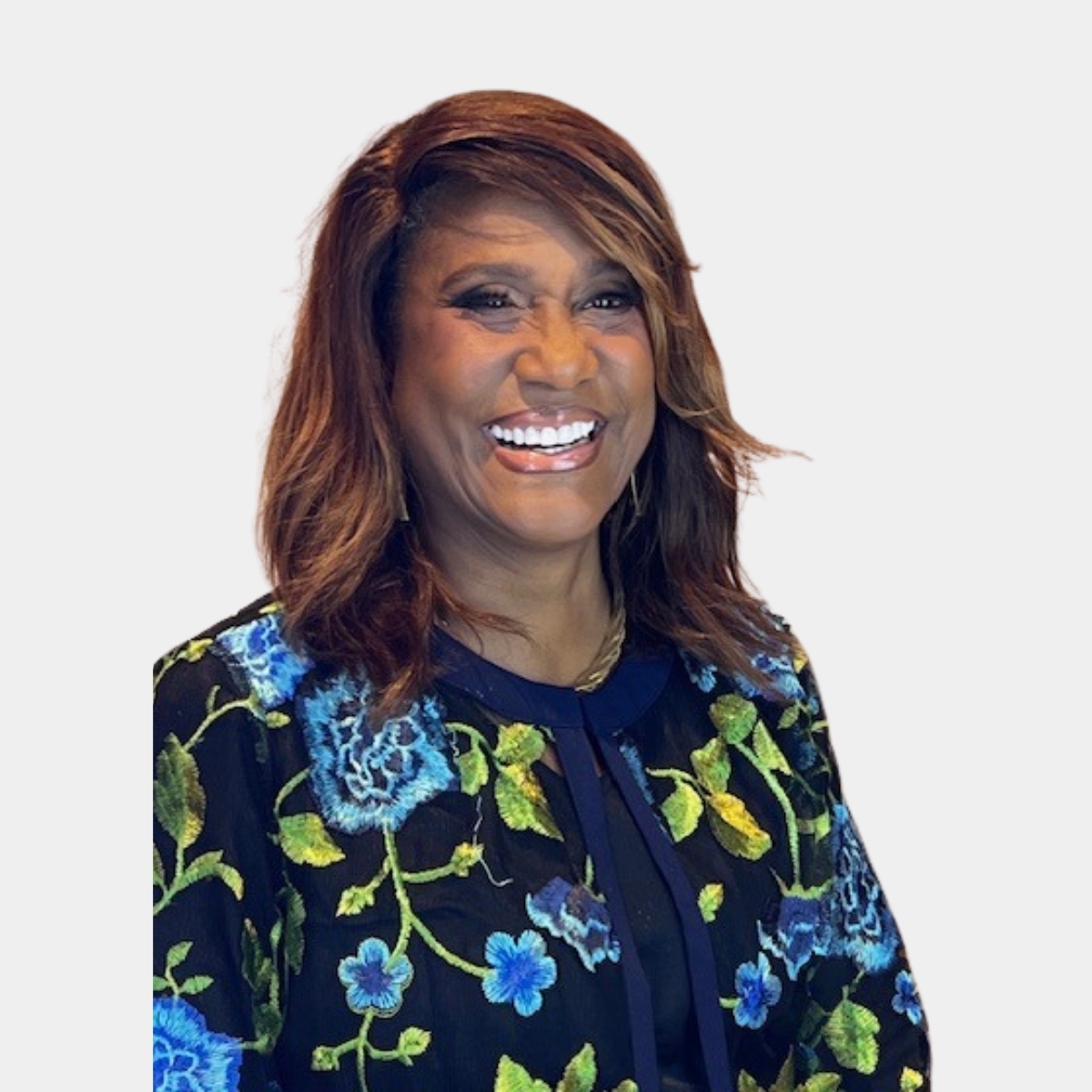
Article by
Franne McNeal
Franne McNeal, President, Significant Business Results LLC has helped 885+ small business owners collectively create 15,000 jobs and nearly $11 billion in revenue. We help architecture, engineering, and construction industry business owners with $1M-$20M in annual revenue, transform founder-dependent businesses into scalable, high-value enterprises. We solve the problems of low margins, inconsistent revenue and pressure to lower prices, by helping clients create a business that is an asset (one that runs without them), based on a proven system 8-pillar framework to increase the value of a business by 71%. We empower owners to move from being indispensable operators to intentional builders of enduring businesses, so they create financial & personal freedom. Our clients focus their energy for action to achieve significant business results.