.png)
Why your 20-year Architecture, Engineering or Construction business model is not sellable

Table of Contents
• The 20-Year Trap: Why Stagnant AEC Operations Destroy Marketability
• The 8-Pillar Framework: Transforming Your Firm into a Sellable Asset
• Transitioning to Leadership: The Roadmap to Personal and Financial Freedom
The 20-Year Trap: Why Stagnant AEC Operations Destroy Marketability
For two decades, you have built a respected architecture, engineering, or construction (AEC) firm. You have weathered economic cycles, managed complex projects, and earned a reputation for excellence. Yet, this very success may have built you a cage. If you are running your engineering and construction firm the same way for 20 years, it's a virtual guarantee you'll never be able to sell it. Longevity, without strategic evolution, transforms a potential asset into an unsellable job.
This is the "Owner Trap," a common predicament in the AEC industry where the business’s value is inextricably linked to the founder. The firm thrives on your relationships, your technical expertise, and your daily decisions. You are the indispensable operator. But to a potential buyer, indispensability is the single greatest risk. They are not looking to buy your job; they are looking to acquire a self-sustaining asset.
The alternative is to become an "Intentional Builder"—a leader who systematically constructs a business designed to operate, grow, and profit independently. This transition is not just a matter of improving processes; it is a fundamental shift in mindset. It addresses the core symptoms of stagnation—persistent labor shortages, downward price pressure, and volatile cash flow—by re-engineering the business model itself for marketability.
The Hidden Risk of Owner Dependency
When you are the primary rainmaker and the final authority on every major project, you create a ceiling on your firm’s value. Sophisticated buyers analyze risk, and a business that cannot function without its founder is a high-risk investment. Client relationships tied exclusively to you are seen as liabilities that will likely walk out the door the day you do. This is why your reputation as the go-to expert is your biggest business liability when it comes time to sell.
Buyers discount the valuation of such firms heavily, often to the point of making an acquisition unfeasible. They understand that without you, the revenue streams are not secure, and the operational stability is a question mark. To achieve a successful exit, you must build a business that is an asset—an entity with systems, processes, and a leadership team that ensures continuity and growth long after you have departed.
Modern Buyer Criteria in the 2026 AEC Market
The acquisition landscape has evolved. Today’s buyers, whether private equity groups or strategic industry competitors, look past the name on the door. They scrutinize the underlying operational structure. Their primary criteria are scalable systems and the strength of your middle management.
They want to see a firm where technology is leveraged to create efficiency, where project management is systemized, and where a capable leadership team can drive growth independently. They are not interested in a personality-driven practice; they are investing in a well-oiled machine. Your firm's value is no longer just about its portfolio or profitability; it is about its potential to scale. To understand how your firm measures up against these modern criteria, it is critical to benchmark your current operational readiness.
Take the Value Builder Score Assessment to see how your firm ranks.
The 8-Pillar Framework: Transforming Your Firm into a Sellable Asset
Breaking free from the Owner Trap requires a structured approach. The goal is to systematically increase your firm’s value by strengthening its operational independence. The Value Builder System™ provides a proven 8-pillar framework designed to do exactly that, helping owners increase their company’s value by an average of 71%.
This framework directly addresses the root causes of low margins and inconsistent revenue by shifting the operational focus. For example, the "Hub and Spoke" pillar confronts owner dependency head-on. If you are the hub, with all decisions and client relationships running through you, the business is fragile. The goal is to de-centralize your role, empowering a team to become the new center of operations.
Similarly, the "Valuation Teeter-Totter" pillar focuses on cash flow management. A firm that is cash-rich is more valuable and less risky to a buyer. This principle guides you to implement financial systems that ensure your firm generates—and retains—cash, making it resilient and far more attractive at the negotiating table.
Maximizing Financial Performance and Growth Potential
A history of revenue growth is appealing, but sophisticated buyers are more interested in your future scalability. A firm that has hit a growth plateau because it is entirely dependent on the owner’s capacity is not a sound investment. Your financial story must demonstrate a clear, system-driven path to future expansion.
One of the most effective ways to do this in the project-based AEC world is to develop recurring revenue models. While challenging, this can be achieved through service and maintenance contracts, long-term consulting retainers, or proprietary design-build processes that command premium, predictable fees. These models provide a stable financial foundation that smooths out the peaks and valleys of project work, making your revenue far more valuable in the eyes of a buyer.
Building the "Switzerland Structure"
Just as dependency on an owner is a critical risk, so is over-reliance on a single client, employee, or supplier. The "Switzerland Structure" pillar is about building neutrality and diversification into your business model. If more than 15% of your revenue comes from one client, a buyer will see that as a major vulnerability.
To increase your firm’s stability and value, you must actively diversify your client base, cultivate multiple key employees who can manage relationships, and establish redundant supply chains. This structural resilience demonstrates to a buyer that the business is not exposed to a single point of failure and can withstand market shifts or unforeseen disruptions. A diversified, stable firm is a premium asset.
Download the 8 Key Drivers of Company Value eBook for a deeper analysis of each pillar.
Transitioning to Leadership: The Roadmap to Personal and Financial Freedom
The ultimate step in creating a sellable firm is your own evolution from a tactical manager to a high-level executive leader. This means shifting your focus from working in the business to working on the business. Your role changes from doing the work to designing the systems and leading the team that does the work.
This transition can be challenging, which is why specialized guidance is invaluable. Through strategic AEC business coaching, owners learn to delegate effectively, develop strategic plans, and hold their teams accountable. Programs like the Significant Business Results Mastermind provide a forum for peer-to-peer learning, allowing you to share challenges and solutions with other AEC leaders on the same journey.
The most common objection is, "I don’t have time to work on the business." This is not a time management problem; it is a business model problem. A firm that requires your constant operational input is, by definition, broken. Making the time to fix the model is the only path to achieving true freedom.
Implementing Systems That Run Without You
The practical application of this leadership transition is the implementation of systems that enable your team to operate autonomously. This starts with clear delegation. You must identify critical operations—from business development to project execution—and empower a leadership team to manage them. This is often the most difficult step for a founder, but it is non-negotiable for building a sellable company.
To ensure accountability without micromanagement, establish Key Performance Indicators (KPIs) for every core function of the business. When your team knows the metrics for success and is empowered to achieve them, your daily presence becomes unnecessary. As you learn the truth about why your team can't make decisions without you, you can begin to build the systems that enable their independence. The goal is to transform your business from a demanding job into a high-performing asset that generates wealth whether you are in the office or not.
Preparing for a Profitable Exit or Succession
With a business that can run without you, you finally have options. A profitable exit is no longer a distant dream but a tangible outcome of your strategic work. You can choose to sell to an external buyer for maximum value, transition the firm to your key employees, or pass it on to the next generation. Each path has different implications, but all are made possible by the same foundational work of reducing owner dependency.
Strategic planning sessions are crucial for identifying your ideal exit path and creating a timeline to achieve it. This is not about winding down; it is about building up to a final, successful milestone. By transforming your 20-year-old practice into a modern, system-driven enterprise, you achieve the ultimate goal of the intentional builder: creating a legacy of value that provides you with both financial and personal freedom.
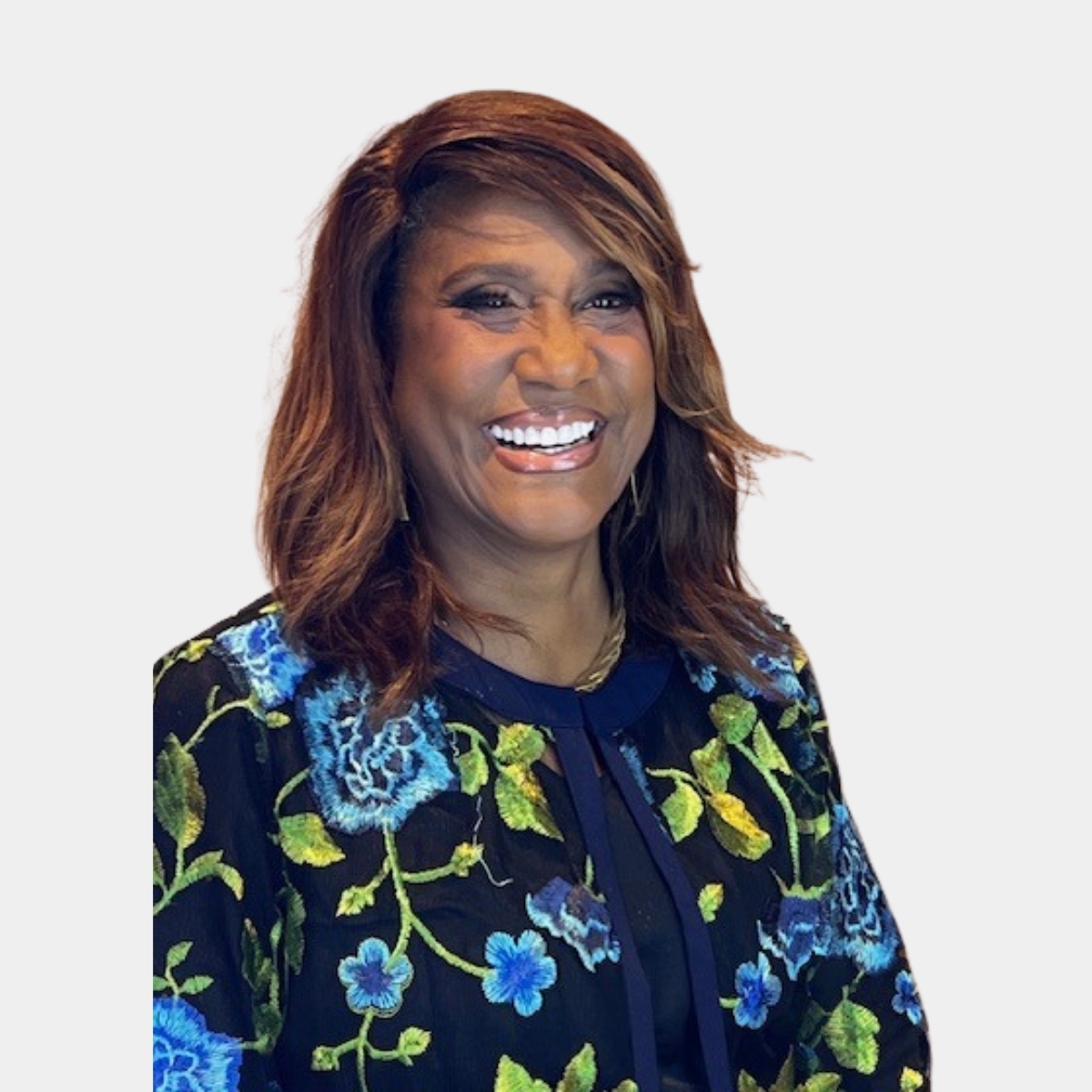
Article by
Franne McNeal
Franne McNeal, President, Significant Business Results LLC has helped 885+ small business owners collectively create 15,000 jobs and nearly $11 billion in revenue. We help architecture, engineering, and construction industry business owners with $1M-$20M in annual revenue, transform founder-dependent businesses into scalable, high-value enterprises. We solve the problems of low margins, inconsistent revenue and pressure to lower prices, by helping clients create a business that is an asset (one that runs without them), based on a proven system 8-pillar framework to increase the value of a business by 71%. We empower owners to move from being indispensable operators to intentional builders of enduring businesses, so they create financial & personal freedom. Our clients focus their energy for action to achieve significant business results.