
How CPA, Fractional COO or Peer Groups Can Help Your Business

A full-time executive isn’t the only route to stronger leadership. For an AEC firm, the right support depends on whether financial uncertainty, operational demands, or the owner’s lack of outside perspective is slowing decisions. To understand how a CPA, Fractional COO, or peer group can help your business, first identify which constraint is limiting progress.
This article explains what a Fractional COO does, which businesses may benefit, and how to assess operational returns alongside revenue and team size. It also compares the roles of a CPA and a peer group, helping you choose the type of support that fits your priorities and the company’s direction.
Key Takeaways
• Identify whether the main constraint is financial visibility, operational execution, or the lack of peer perspective before choosing support.
• Assess operational returns through measures such as cycle time, error rates, on-time delivery, margins, and revenue per employee.
• Consider fractional leadership when growth, transition, or inconsistent processes are stretching the current team’s capacity.
• Explore how a business built to run without its owner can strengthen performance, reduce risk, and support long-term value.
Table of Contents
• 1. Operational improvements and return on investment
• 2. What Types of Businesses Can Benefit from Fractional COO Services?
• 3. Business revenue and employee thresholds for hiring a Fractional COO
1. Operational improvements and return on investment
A Fractional COO provides part-time operational leadership without requiring a full-time COO. If a founder spends more than 60% of their time on internal operations, the business may have a leadership gap. In an AEC firm, that gap can show up as project delays, unclear responsibilities, or teams struggling to deliver amid labor shortages.
A CPA can support profitability and cash flow by reviewing project margins, billing, receivables, budgets, and financial reporting, beyond tax preparation. For firms facing inconsistent revenue, pricing pressure, or limited subcontract opportunities, this visibility can help owners assess project pricing and cash needs. A budget can account for rising costs and interest expenses, as well as regulatory compliance costs, without disrupting essential operations.
Financial and operational leadership address different needs. A CPA supports accurate reporting and tax compliance; a Fractional COO can shape operating strategy, improve processes, lead teams, and track performance. To improve efficiency, map a project workflow, identify delays or rework, document consistent steps, and assign responsibility. Stronger processes can help teams manage growth when hiring is constrained.
Measure return through cycle time, error rates, on-time delivery, cost reduction, margin expansion, and revenue per employee. A Fractional COO may design processes to handle two or three times current volume. In one example, workflows were refined and documented within 90 days, increasing capacity without additional hires. Compare results with a baseline, then adjust the operating plan as project demand and cash flow change.
2. What Types of Businesses Can Benefit from Fractional COO Services?
Startups, small and midsized firms, and established companies in transition may benefit from fractional executive leadership. It is often a strong fit when growth strains existing management or a defined initiative requires specialized operating experience. An AEC firm entering a new market, for example, may need clearer decision ownership and better coordination across projects before expanding its internal team.
Fractional COOs provide leadership tailored to a company’s needs and goals. They can connect strategic priorities to daily execution, help managers coordinate teams, and create a structure for tracking initiatives. This support can be valuable when the owner remains the main approval point or teams approach similar work differently. The role is to strengthen management capacity and help the business scale without making the owner its permanent operating system.
Peer groups such as Vistage or EO give owners a setting to examine decisions with people facing comparable leadership challenges. Members can share perspectives, test assumptions, and build accountability around commitments. That outside perspective can help when an owner feels isolated while managing growth or a difficult transition.
Fit depends on relevant AEC experience, clear examples of past outcomes, and alignment between the support and the company’s needs. Define the challenge first: financial visibility, operating leadership, or peer perspective. Then assess whether the person or group can address that specific need.
For owners seeking a more coordinated path from daily management to long-term business value, explore strategic support for AEC business owners.
3. Business revenue and employee thresholds for hiring a Fractional COO
A useful starting range for a Fractional COO is $2M to $15M in annual revenue and 15 to 75 employees. At this stage, project delivery, hiring, and cash flow can outgrow informal founder-led systems, while a full-time executive may not fit the company’s needs. Revenue and headcount are guides, not substitutes for assessing operational complexity.
Consider a full-time COO when revenue exceeds $15M or the team reaches 75 employees. A pre-revenue company, or one under $1M with fewer than 10 people, may be too early for a Fractional COO. First, build basic project ownership and financial reporting. Then revisit the leadership resource as growth creates more coordination demands.
Bring in a CPA when financial records, tax compliance, or reporting need consistent professional attention. Consider a Fractional COO when the main challenge is execution, such as unclear responsibilities, inconsistent project handoffs, or a founder managing every decision. A peer group can help when the owner needs structured accountability and outside perspectives on strategic choices.
Use revenue and team size as a first filter, then weigh delivery complexity, leadership capacity, and the owner’s intended role. A clear assessment can help shape a strategic growth roadmap around the company’s next stage.
Significant Business Results helps AEC owners improve revenue, performance, operational efficiency, and long-term value while reducing risk. Its advisory and coaching services are a natural next step when daily decisions still depend heavily on the owner or growth needs a clearer operating foundation.
If you’re ready to consider how your business can grow with less dependence on you, contact Significant Business Results to discuss your goals.
Build a business that gives you room to lead
The most valuable next move isn’t adding another responsibility to your calendar. It’s deciding what the company must be able to do without your daily involvement, then aligning leadership, financial insight, and operating habits around that future. Use this direction to assess new initiatives: will they strengthen performance, reduce avoidable risk, and give you more choices as an owner?
Frequently Asked Questions
What is a Fractional COO?
A Fractional COO is an experienced operations leader engaged part-time or for a defined period, rather than as a permanent executive. To understand how a Fractional COO can help your business, start with a specific need, such as standardizing project reviews or clarifying decision ownership. The role adds operating capacity while helping internal leaders establish consistent management practices.
What Types of Businesses Can Benefit from Fractional COO Services?
Businesses facing a specific operating challenge may benefit, including firms preparing for a leadership transition or coordinating complex project work. An architecture practice, for instance, may need consistent handoffs between design teams and project managers. A construction company might need clearer responsibility for scheduling decisions. The key is a defined problem that requires executive-level attention and follow-through.
What does a fractional COO do for a small business?
A Fractional COO helps turn business priorities into clear responsibilities and repeatable management practices. In a small firm, that might mean setting regular project reviews, clarifying who resolves staffing conflicts, and creating a consistent process for escalating delayed decisions. The owner and team can spend less time untangling confusion and more time delivering client work.
How much does a fractional COO cost per month or hour in the United States?
There isn’t one fee that applies to every engagement; the cost depends on the case and is provided after a quote request. The main factors are scope, time commitment, operating complexity, and whether support is for a defined project or ongoing leadership. These details shape the engagement structure and expected level of involvement.
CPA vs fractional COO vs peer group: which is best for a growing business?
How a CPA, Fractional COO, or peer group can help your business depends on the decision you need to improve. A CPA supports financial records and tax matters; a Fractional COO addresses execution and management responsibilities; a peer group offers structured discussion and accountability with fellow owners. Identify the current bottleneck, then match the support to it.
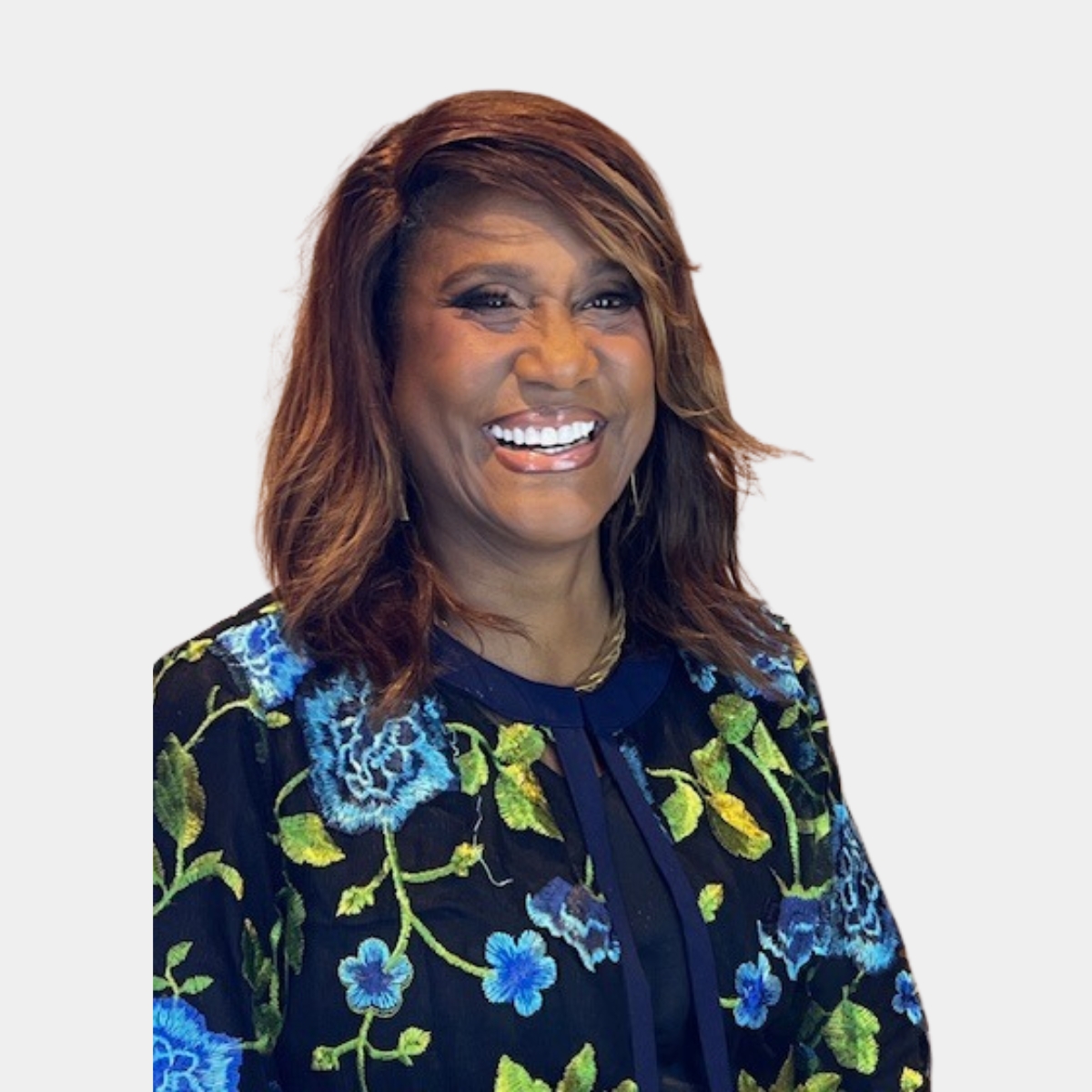
Article by
Franne McNeal
Franne McNeal, President, Significant Business Results LLC is known for helping architecture, engineering and construction firms with $1M-$20M in annual revenue, build scalable, transferable companies that increase in value, reduce owner dependence, and create more options for growth, succession, or sale. She help architects, engineers and construction firms become more valuable, so they don't collapse when the owner steps back. She solves the problems of low margins, inconsistent revenue and pressure to lower prices, by helping clients create a business that is an asset (one that runs without them), based on a proven system 8-pillar framework to increase the value of a business by 71%. Her clients are empowered to move from being indispensable operators to intentional builders of enduring businesses, so they create financial & personal freedom. Franne "FranneTastic" McNeal has helped 886+ small business owners collectively create 15,000 jobs and nearly $11 billion in revenue. She helps clients focus their energy for action to achieve significant business results.