.png)
How do I build a management team for my construction company when good people are impossible to find?

You’ve placed the ads, conducted the interviews, and maybe even hired a few promising candidates. Yet, you’re still the one fielding late-night calls about material delays and personally approving every change order. The search for a capable management team for your construction company feels less like a strategic initiative and more like a frustrating, endless loop. You’re convinced good people are impossible to find.
But what if the problem isn’t the talent pool? What if the real issue is the job you’re asking them to do?
The reason you can't find 'good people' is that your business is currently designed to require a superhero to run it—a clone of you. The key isn't to find a unicorn who can read your mind. It's to build a business so streamlined and systematic that a team of smart, dedicated professionals can manage it successfully. It’s time to shift your focus from hiring a replacement for yourself to building an asset that no longer requires you in daily operations.
The Impossible Talent Search: Why Your Construction Firm Is Stuck in the Owner Trap
Many owners of architecture, engineering, and construction (AEC) firms find themselves in the "Owner Trap." This is a state where the business is so dependent on the founder's knowledge, relationships, and decisions that it cannot function, let alone grow, without their constant input. You’re not just the owner; you’re the lead project manager, the head of sales, the chief financial officer, and the lead problem-solver. Every road leads back to you.
This reality, while born from hard work and expertise, actively repels the very management talent you need. High-level managers want to lead systems, develop teams, and execute a clear strategy. They don't want to be a bottleneck’s assistant, constantly seeking your approval for every minor decision. A business built around one person signals instability and micromanagement—two red flags for any ambitious professional.
In the AEC industry, this problem is magnified. Widespread labor shortages mean you are competing for a small pool of qualified leaders. When your roles are not clearly defined and your processes are chaotic, you make it impossible for even a great candidate to succeed. You’re not just looking for a project manager; you’re looking for someone to do exactly what you do, but without the benefit of your years of experience or the authority of an owner. This is the mindset of an indispensable operator, and it’s a ceiling on your growth. To break free, you must transition into the role of an intentional builder—someone who constructs a valuable asset, not just a job for themselves.
As you build these systems, you can also explore Flat-Fee Recruiting Services to find professionals who are specifically suited for leadership roles in the construction and heavy equipment industries.
Recognizing the Bottleneck in Your AEC Operations
How do you know if you are the primary bottleneck? The signs are often hidden in plain sight, disguised as your daily routine. Ask yourself if these sound familiar:
• Every significant decision, from hiring a subcontractor to approving a purchase order, must go through you.
• Your revenue has hit a plateau because you are the limiting factor on how many projects the company can handle.
• You haven't taken a real, disconnected vacation in years.
• When you attempt to delegate, you find yourself saying, "It's just faster if I do it myself."
• Your team is hesitant to act without your explicit direction, slowing down progress on every site.
If you’re nodding along, you’ve likely tried to make what we call "The Hardest Hire"—the person you expect to manage the chaos just like you do. This hire almost always fails, not because the person is incapable, but because the system itself is broken. A business that relies on one person's heroic efforts is not a manageable business. Before you can build a team, you must first understand how to make your firm less dependent on you as the owner.
Designing a Manageable Business: Using the 8-Pillar Framework to Attract Talent
The solution to your hiring problem is not to work harder at finding people; it's to build a better business. Instead of searching for a manager who can handle the chaos, you must create a company where chaos is the exception, not the rule. This means shifting your focus from people to process. A business that runs on proven systems is not only more profitable and scalable—it's also immensely more attractive to professional managers.
This is where a structured approach becomes critical. We use The Value Builder System™, which is built on an 8-pillar framework designed to increase a company's value by an average of 71%. This framework provides a blueprint for creating a self-sustaining business. By standardizing your operations—from how you bid on jobs to how you manage projects—you reduce the need for a "superhero" hire. You create a plug-and-play environment where a competent manager can step in, understand the playbook, and execute effectively.
Think of it from their perspective. Would you rather take a job where success depends on deciphering the owner's undocumented processes, or one where you are given a clear set of systems and the autonomy to manage them? Professional managers are drawn to scalable businesses with predictable revenue because it gives them a clear path to success and career growth.
Implementing the 8 Key Drivers of Company Value
The 8-pillar framework provides a roadmap for your future management team to follow, allowing them to lead confidently without your constant presence. Each pillar addresses a different aspect of your business that, when strengthened, reduces owner dependency and increases value. For example:
The Switzerland Structure
This pillar focuses on diversifying your reliance on any one employee, customer, or supplier. A business that isn't overly dependent on a single key relationship is inherently more stable and easier for a new manager to run.
The Hub & Spoke
This directly addresses the owner-as-bottleneck problem. By implementing clear reporting structures and empowering others to make decisions, you remove yourself from the center of every transaction.
Recurring Revenue
For construction firms, this could mean establishing service contracts or long-term client agreements. A business with predictable cash flow is less risky and far more appealing to manage than one constantly chasing the next big project.
By focusing on these drivers, you're not just improving your business; you're creating the ideal role for the manager you want to hire. You’re giving them the tools and structure they need to win.
From Chaos to Freedom: Scaling Your Management Team Without the Headaches
Once you begin implementing these systems, your role fundamentally changes. You transition from being the daily firefighter to becoming the strategic coach for your leadership team. You stop managing projects and start managing the people who manage the projects. This is the path to true scale and freedom, often requiring the strategic insights for team development shared by Alfredo Bala (The Motivation Guy).
A common objection from construction owners is that low margins and rising costs leave no room for building a management layer. However, this thinking is backward. It's the lack of operational efficiency and systems that erodes your margins in the first place. The 8-pillar framework is designed to create efficiencies that protect—and even expand—your bottom line. A well-run project managed by a competent leader following a proven system is far more profitable than a chaotic one managed by an overworked owner.
Ultimately, building a business that can run without you is about creating an asset. A company that depends on you is just a job; a company that runs on systems is a valuable, sellable entity that provides you with both financial security and personal freedom. This is the end goal: to get out of the field and stop personally running every project, confident that your business is in capable hands.
Building an Enduring Asset That Runs Without You
The final step is to formalize the structure that allows your team to thrive. This isn't a journey you have to take alone. Peer-to-peer learning, such as through a Mastermind for AEC leaders, provides a confidential environment to share challenges and strategies with others who have faced the same obstacles.
To prevent your new management structure from reverting to the "everyone does everything" trap, implement a simple Role Clarity Checklist for your team:
Define the Top 5
For each management role, what are the top five responsibilities that only that person handles?
Establish Key Metrics
What one or two numbers will you use to measure success in each role?
Clarify Decision Rights
What types of decisions can this manager make without your approval? Be specific about financial thresholds and strategic scope.
The search for good people ends when you create a great place for them to work. Stop looking for a clone and start building a company that attracts, empowers, and retains top-tier leaders. The first step is a clear-eyed assessment of where you stand today. Take the Value Builder Score assessment to see how your business ranks on the 8 key drivers and identify your path to freedom.
Frequently Asked Questions (FAQs)
How do I know if I am the primary bottleneck in my construction company?
You are likely the bottleneck if every major decision requires your approval, your company's growth has stalled at a level you can personally manage, and you cannot take a vacation without constant calls from your team. If your employees are waiting for your direction rather than taking initiative, it's a clear sign that the business revolves around you.
What is the 8-pillar framework and how does it increase business value?
The 8-pillar framework is a systematic methodology from The Value Builder System™ that analyzes eight key drivers of your company's health and value. These drivers include factors like financial performance, growth potential, and reducing dependency on the owner. By strengthening these areas, you create a more stable, profitable, and scalable business, which has been proven to increase company value by an average of 71%.
Can I really build a management team if I have low margins and rising costs?
Yes. In fact, building a management team supported by strong systems is the most effective way to combat low margins. A dedicated manager focused on operational efficiency can prevent costly mistakes, improve project timelines, and optimize resource allocation—directly protecting and improving your bottom line in ways an overworked owner cannot.
What is the first step to reduce my dependency on the daily operations of my firm?
The first step is to start documenting your core processes. Choose one critical function—such as estimating or project kickoff—and write down the exact steps you take to complete it successfully. This simple act begins the process of turning your personal knowledge into a company asset that someone else can learn and manage, forming the foundation for you to get your firm to run without you.
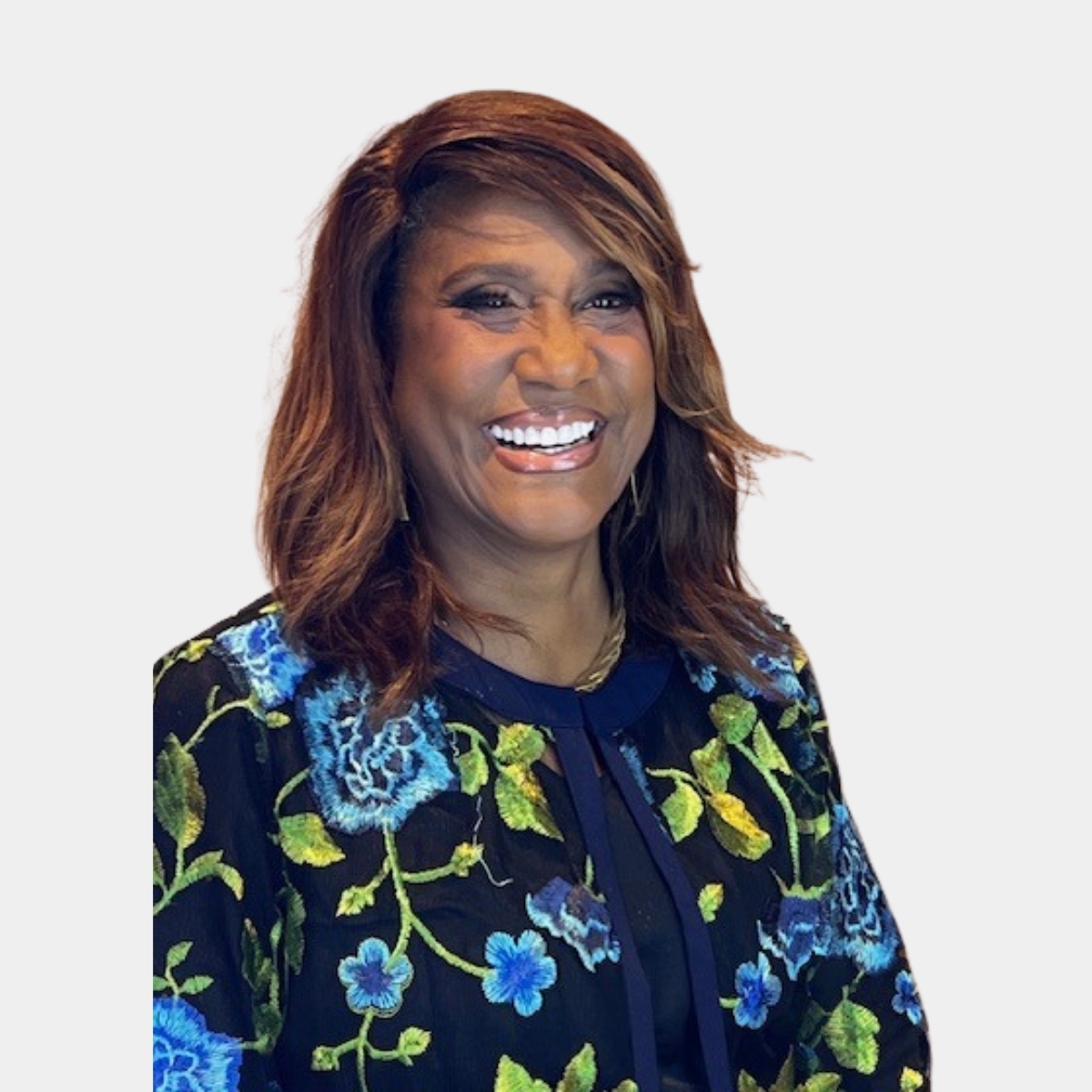
Article by
Franne McNeal
Franne McNeal, President, Significant Business Results LLC is known for helping architecture, engineering and construction firms with $1M-$20M in annual revenue, build scalable, transferable companies that increase in value, reduce owner dependence, and create more options for growth, succession, or sale. She help architects, engineers and construction firms become more valuable, so they don't collapse when the owner steps back. She solves the problems of low margins, inconsistent revenue and pressure to lower prices, by helping clients create a business that is an asset (one that runs without them), based on a proven system 8-pillar framework to increase the value of a business by 71%. Her clients are empowered to move from being indispensable operators to intentional builders of enduring businesses, so they create financial & personal freedom. Franne "FranneTastic" McNeal has helped 886+ small business owners collectively create 15,000 jobs and nearly $11 billion in revenue. She helps clients focus their energy for action to achieve significant business results.