.png)
How do I keep my best engineers from leaving before I sell the firm?

The High Cost of Talent Loss: Why Retention is Your Best Exit Strategy
As an owner in the Architecture, Engineering, and Construction (AEC) industry, you know your firm's value is not just in its contracts or equipment; it's in the minds of your top engineers. These individuals are the intangible assets that a potential buyer scrutinizes most closely. Their expertise, client relationships, and institutional knowledge are the engines of your revenue. When you plan to sell, the departure of even one key engineer can dramatically lower your valuation or even derail a deal.
In a sector grappling with persistent labor shortages, your best people are virtually irreplaceable, especially during the sensitive period leading up to a sale. The common fear is that any hint of an exit will send them running. However, the real issue is often less about the sale itself and more about the structure of your business. This is the "Hub and Spoke" risk: if every major decision and client relationship runs through you, you haven't built a business—you've built a job. A buyer sees this dependency and recognizes that the firm's value is tied to you, not to a sustainable system. Consequently, strong employee retention is not just an operational goal; it is a direct driver of the multiple a buyer will offer for your firm.
Understanding the Hub and Spoke Risk to Your Valuation
The Hub and Spoke model is a common trap for founder-led firms. As the owner, you are the central hub, and your senior engineers are the spokes. All critical technical guidance, client management, and strategic decisions flow through you. While this may have been necessary in the early days, it becomes a significant liability as you prepare to exit. Talented senior engineers crave autonomy and a clear path to leadership. When they are treated as highly-paid technicians with no real authority, they become disengaged and eventually leave for opportunities where they can make a greater impact.
Acquirers are wary of this structure. They fear that the team's loyalty is to you personally, not to the organization. They question whether clients will remain and if the team can perform once you are gone. Reducing this owner dependency is one of the most critical steps in making your firm a sellable asset. If you're unsure how much your business relies on you, it's a crucial question to answer. You can learn more about how to determine if your business is too dependent on you and start taking steps to fix it.
Moving from Output to Impact: Shifting Culture in Your AEC Firm
Many brilliant engineers suffer from the "code monkey" syndrome. They are mired in repetitive, tactical tasks—endless calculations, drafting, and revisions—rather than engaging in the high-level strategic design and problem-solving they were trained for. This is a primary driver of burnout and turnover. The solution is not necessarily higher pay, but a fundamental shift in their role from focusing on *output* to driving *impact*.
To keep your best talent, you must transform them into "intentional builders" who feel a sense of ownership over their projects and the firm's success. This involves a degree of transparency. While you should not announce your sale date prematurely, you can and should be open about the firm's long-term strategic goals. Frame conversations around building an enduring company with lasting value. When your team sees how their work contributes to a larger, sustainable vision, their engagement deepens. This cultural shift is vital, especially when pricing pressures and rising costs tempt owners to neglect team development in favor of short-term profitability; to manage these overheads effectively, you can explore Recurring PEO and ASO Service Fees from Easeworks and see how professional HR solutions can help.
Creating a Culture of Growth and Recognition
Building a culture that fosters loyalty requires creating systems that function independently of you. Implement mentorship programs where senior engineers guide junior talent. This not only develops your next generation of leaders but also gives your senior team a meaningful way to contribute beyond their technical tasks.
Furthermore, your recognition framework should evolve. Instead of rewarding based on hours billed or tasks completed, recognize achievements that align with firm-wide performance metrics, such as project profitability, client satisfaction scores, or innovative design solutions. This alignment ensures that your engineers are motivated by the same goals that increase your company's value. To understand how your current team structure affects your firm's worth, you should first establish a baseline. You can take the Value Builder Score assessment to see how your firm ranks on key value drivers.
Building a Business That Runs Without You: The 8-Pillar Framework
The ultimate solution to retaining your best engineers is to build a business that is no longer dependent on you. This is the transition from being an indispensable operator to an intentional builder of a valuable asset. The Value Builder System™ provides a proven roadmap for this journey, using an 8-pillar framework designed to increase your company's value by up to 71%. To understand these drivers in detail, you can download the free 8 Key Drivers of Company Value ebook.
For retaining key engineers, the "Team" and "Hub and Spoke" pillars are paramount. By systematically reducing your involvement and empowering your team, you create the autonomy and growth opportunities they seek. This structure, combined with stable, recurring revenue models—like long-term service agreements or municipal contracts—provides a secure environment that makes your firm more attractive than competitors who operate on a project-to-project basis.
Infographic: An effective business structure relies on three core concepts: Owner Independence, where the firm operates without your daily input; Scalable Systems, which allow for growth without chaos; and Team Autonomy, empowering your engineers to lead and make decisions.
Transitioning from Indispensable Operator to Intentional Builder
Delegating high-level responsibilities is a critical step in reducing owner dependency. Follow this simple framework to begin the transition:
Identify
Choose a recurring high-level technical or client decision that you currently own.
Document
Write down the process, principles, and key considerations you use to make that decision.
Coach
Select a senior engineer and mentor them through the process. Let them shadow you, then have them lead while you observe.
Empower
Formally transfer ownership of the decision to them and communicate this change to the rest of the team.
Use your strategic planning sessions not just to set financial targets, but to align your team with the vision of building a sellable asset. When they understand the end goal, they become partners in the process. Making this transition requires a structured approach and expert guidance. To start building a business that can thrive without you, explore our Significant Business Results coaching programs.
Frequently Asked Questions
Should I tell my senior engineers that I am planning to sell the firm?
Generally, it is not advisable to announce a potential sale too early. Doing so can create uncertainty and anxiety, potentially triggering the very departures you are trying to prevent. The focus should be on communicating a long-term vision for building a strong, independent company. The appropriate time for disclosure is typically much later in the sale process and should be handled in consultation with your M&A advisors.
How do I handle an engineer who feels like a 'code monkey' without increasing their salary?
The solution lies in enriching their role, not just their paycheck. Shift their focus from output to impact by giving them greater autonomy over their projects. Involve them in client-facing strategic meetings, assign them mentorship responsibilities for junior staff, and give them ownership of project outcomes. A sense of purpose and professional challenge is often a more powerful motivator than a marginal salary increase.
Is it possible to reduce owner dependency if I am the lead engineer on most projects?
Yes, but it requires a deliberate and systematic transition. Begin by documenting your technical processes and decision-making criteria. Start delegating smaller, lower-risk decisions and gradually increase the scope of your team's authority. The key is to intentionally coach your senior staff to take over client relationships and technical leadership, building their capability and your trust in them over time.
What are the most important drivers of company value for an engineering firm?
Beyond strong financials, acquirers prioritize several key factors. These include a talented and stable management team that can operate without the founder, low owner dependency (the absence of a "Hub and Spoke" model), a diversified client base to reduce risk, and the presence of recurring revenue streams. Ultimately, your engaged and empowered engineering team is one of the most critical assets that drives your firm's final valuation.
The secret to keeping your best engineers before you sell is not about creating "golden handcuffs." It is about building a business so robust, autonomous, and compelling that they are excited to be part of its future, regardless of who holds the title of owner. This is how you maximize your exit price and leave behind a lasting legacy.
Start building your enduring business by taking the Value Builder Score today.
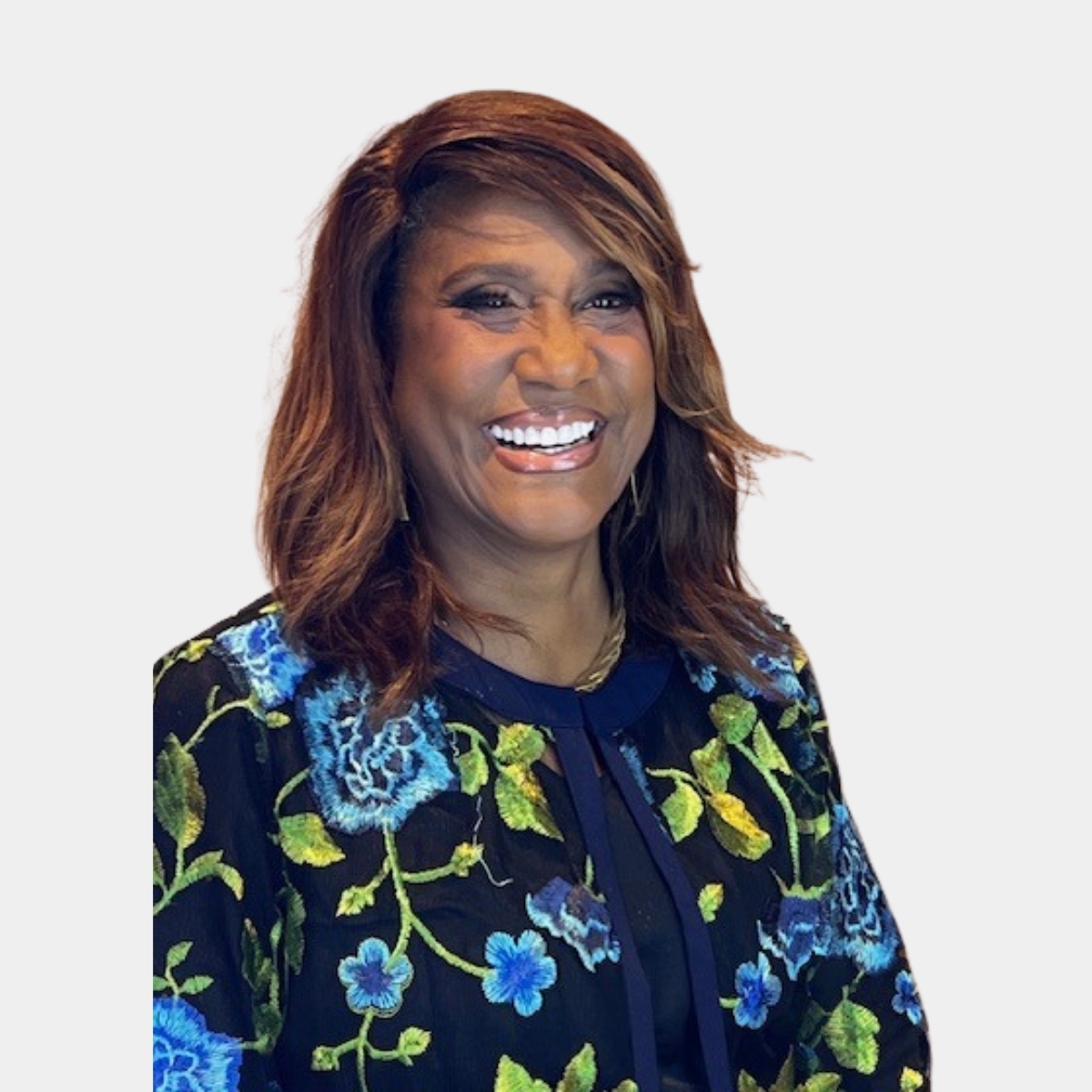
Article by
Franne McNeal
Franne McNeal, President, Significant Business Results LLC is known for helping architecture, engineering and construction firms with $1M-$20M in annual revenue, build scalable, transferable companies that increase in value, reduce owner dependence, and create more options for growth, succession, or sale. She help architects, engineers and construction firms become more valuable, so they don't collapse when the owner steps back. She solves the problems of low margins, inconsistent revenue and pressure to lower prices, by helping clients create a business that is an asset (one that runs without them), based on a proven system 8-pillar framework to increase the value of a business by 71%. Her clients are empowered to move from being indispensable operators to intentional builders of enduring businesses, so they create financial & personal freedom. Franne "FranneTastic" McNeal has helped 886+ small business owners collectively create 15,000 jobs and nearly $11 billion in revenue. She helps clients focus their energy for action to achieve significant business results.