.png)
How do I know if my architecture, engineering or construction business is too dependent on me?

For owners of architecture, engineering, and construction (AEC) firms with revenues between $1 million and $20 million, the line between asset and job often blurs. You’ve built a successful company on the foundation of your expertise, but that very expertise might now be its biggest liability. If your personal involvement is the primary driver of every project, sale, and critical decision, you haven't built a business; you've created a high-stakes, high-stress job for yourself.
The constant firefighting, the 60-hour workweeks, and the feeling that you can never truly step away are not signs of success. They are symptoms of owner dependency—a condition that caps your growth, drains your energy, and significantly devalues your firm to potential buyers.
This guide provides a clear diagnostic framework to determine if your business is too dependent on you. More importantly, it outlines the strategic shift required to transform your firm from a time-consuming practice into a scalable, high-value asset that can thrive without your daily intervention.
Table of Contents
• The Invisible Ceiling: Identifying Symptoms of Owner Dependency in Your AEC Firm
• The Hub and Spoke Trap: Measuring Your Firm's Value as an Asset
• Road to Freedom: From Operator to Intentional Builder
The Invisible Ceiling: Identifying Symptoms of Owner Dependency in Your AEC Firm
Owner dependency creates an invisible ceiling that limits your firm's growth and value. The first step toward breaking through is to honestly assess the extent of the problem. Ask yourself the following diagnostic questions to gauge your company's reliance on you as the central operator.
The 4-Week Vacation Test
Could your firm survive—and even grow—if you were completely unreachable for a month? If the thought of this triggers anxiety about missed deadlines, client issues, or operational chaos, your business is critically dependent on you.
The 'Cell Phone' Metric
Is your personal number the default contact for clients with questions, subcontractors needing clarification, and site managers seeking technical decisions? When you are the primary hub for information, you are the primary bottleneck.
Knowledge Silos
Is the critical "secret sauce" of your engineering, design, or project management process stored exclusively in your head? If you were to leave, would your team be able to replicate your results, maintain quality, and win new business?
Revenue Plateaus
Does the firm's growth stall the moment you stop personally driving sales or overseeing key projects? A business whose revenue is tied directly to your personal effort is not scalable.
The Financial Reality of the 'Founder Trap'
A business that cannot function without its owner is a risky acquisition. To a potential buyer, your indispensability isn't an asset; it's a liability that will walk out the door the day the deal closes. This reality drastically reduces your company's valuation. You must distinguish between building a valuable asset and simply paying for your own employment. An asset generates returns and grows in value independent of your presence. A job only pays you for the hours you put in. For a deeper look into how owner involvement impacts valuation, it's crucial to understand why being the best engineer can lower your business value.
Industry-Specific Pressure Points
In the AEC industry, owner dependency is exacerbated by unique pressures. Persistent labor shortages often compel owners to step in and fill gaps on-site or in the design studio, reinforcing their operational role. Furthermore, regulatory and compliance responsibilities frequently fall solely on the owner's professional license, creating a single point of failure. When you are the only one qualified to sign off on plans or ensure compliance, the business is tethered to your personal capacity and liability.
The Hub and Spoke Trap: Measuring Your Firm's Value as an Asset
Many AEC firms in the $1M-$20M range are structured like a wheel, with the owner at the center (the hub) and all employees, clients, and projects radiating outward (the spokes). This "Hub and Spoke" model is a classic trap. While it provides the owner with a sense of control, it creates a massive bottleneck that prevents scalability and devalues the company.
Every decision, from a design change to a supplier negotiation, must pass through you. This not only limits the company's growth to the number of hours you can personally work but also makes the business entirely unsellable. The solution is to transition from this fragile model to a more resilient, system-driven structure.
The 8-Pillar Framework
The key to increasing your firm's value is diversifying its operational strength across eight core drivers. Studies show that businesses focusing on these pillars can increase their value by an average of 71%. This framework systematically reduces dependency on the owner by building robust systems for financial performance, growth potential, customer satisfaction, and more.
The 'Switzerland Structure'
A valuable business is neutral and not dependent on any single employee, client, or supplier. This is the "Switzerland Structure." If losing a key project manager, a major client, or a critical subcontractor would jeopardize your operations, your firm is too fragile.
The Paradox of Expertise
Your technical brilliance as an architect, engineer, or builder is what launched your firm. However, when clients insist on working only with you, it lowers your firm's marketability. A buyer isn't purchasing your personal skills; they are purchasing a system that generates profit.
The Switzerland Structure: Diversifying Your AEC Ecosystem
Building a Switzerland Structure requires deliberate action. Implement cross-training programs to ensure multiple team members can handle critical functions, reducing reliance on any single "star" engineer or manager. Strategically balance your client portfolio to ensure no single project accounts for a disproportionate share of your revenue. This diversification minimizes risk and proves to a potential buyer that the firm's success is institutional, not individual. If one client makes up too much of your revenue, it's vital to learn about mitigating client concentration risk in AEC firms.
Financial Performance and Growth Potential
Owner-dependent firms often suffer from inconsistent, project-based revenue and chaotic cash flow. The goal is to move toward predictable, system-driven financial performance. This is achieved through standardized processes for bidding, project management, and client invoicing. Ultimately, your firm's Growth Potential is defined by a buyer's ability to scale the company without your personal presence. If the systems for growth are in place, the value of your business multiplies.
Road to Freedom: From Operator to Intentional Builder
Recognizing your dependency is the first step. The next is to intentionally re-engineer your role from indispensable operator to strategic owner. This transition requires a disciplined, systematic approach focused on building a business that runs itself. This is the path to true personal and financial freedom.
Systematize and Productize
Transform your bespoke architectural or engineering services into repeatable, teachable processes. Document everything from client intake and proposal generation to project execution and quality control. Creating Standard Operating Procedures (SOPs) is the first step in making your expertise transferable to your team.
Empower the Next Level of Leadership
Your role must shift from giving orders to building decision-makers. Delegate real authority and responsibility to your key managers. Coach them to handle the client relationships and technical challenges you currently manage. This frees you to focus on high-level strategy rather than daily chaos.
Implement the Value Builder System™
To systematically address owner dependency, adopt a structured approach. The Value Builder System™ is designed to help you focus on the 8 key drivers of company value. It provides a proven methodology to identify weaknesses, build robust systems, and measurably increase your firm's worth as a sellable asset.
Productizing the AEC Service Model
Creating SOPs is fundamental to building a scalable firm. Documented workflows ensure consistency, reduce errors, and empower your team to operate autonomously. Consider exploring recurring revenue models, such as maintenance contracts or design retainers, to stabilize cash flow and reduce the volatility of project-based work. This makes your revenue more predictable and, therefore, more valuable.
Furthermore, as you shift towards a more strategic role, you might explore ways to monetize your expertise through digital education and products; to learn more about these opportunities, visit Rise Together We Win.
Building an Enduring Asset
The "Exit Ready" mindset is not just for owners planning to sell. It's a strategic framework for building a better, more profitable, and less stressful business today. By focusing your energy on high-level strategy—like market positioning, service innovation, and leadership development—you transition from working in your business to working on it. This is the difference between being an operator and being an intentional builder of an enduring asset.
The first step in this journey is understanding where you stand today. A comprehensive assessment can provide an objective measure of your company's performance across the eight critical value drivers and pinpoint the exact areas of owner dependency that are holding you back.
Discover your firm's potential with a Value Builder Score assessment to get a clear, data-driven picture of your business's value and scalability.
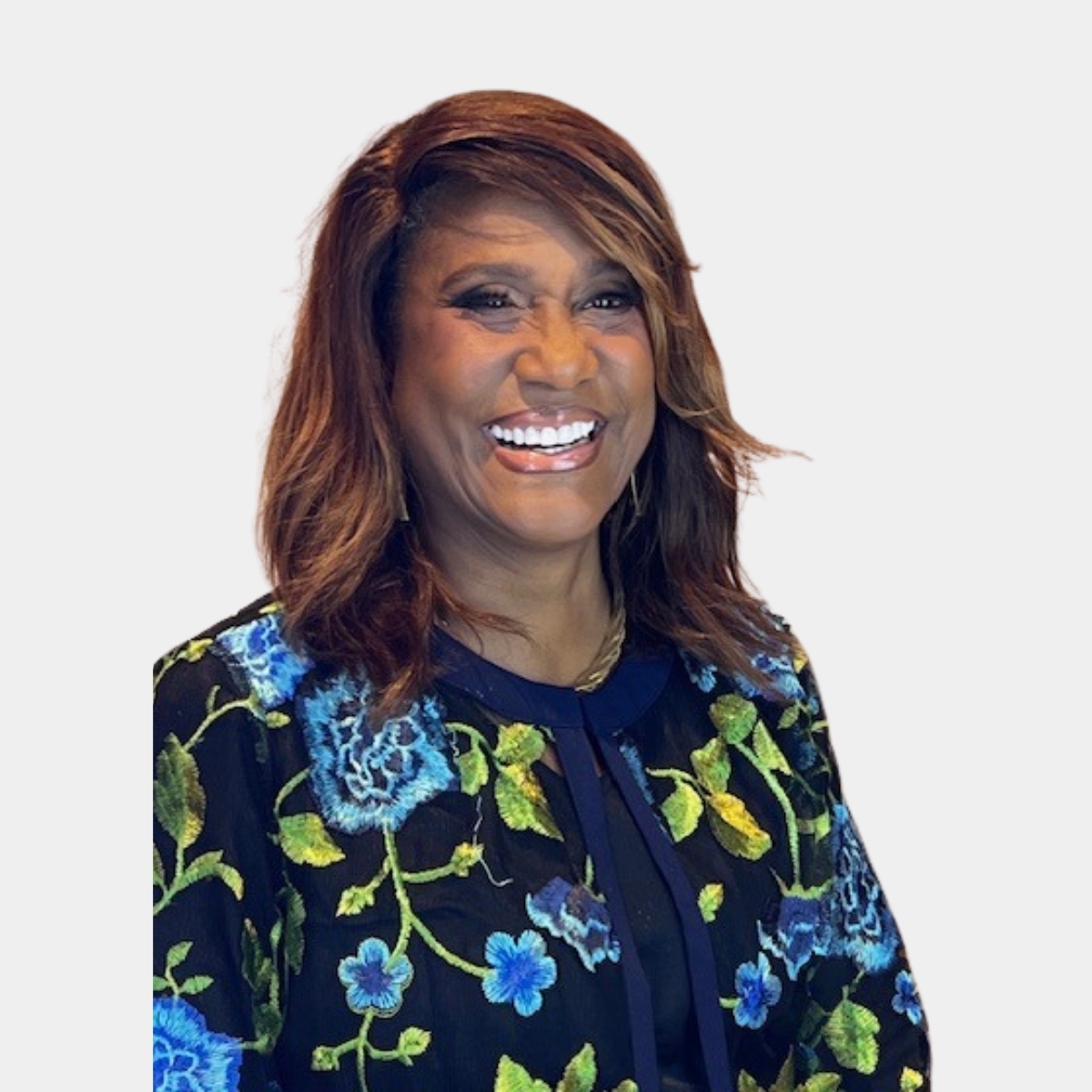
Article by
Franne McNeal
Franne McNeal, President, Significant Business Results LLC has helped 885+ small business owners collectively create 15,000 jobs and nearly $11 billion in revenue. I build architecture, engineering and construction (AEC) firms that are worth more and don't collapse when the owner steps back. We help architecture, engineering, and construction industry business owners with $1M-$20M in annual revenue, transform founder-dependent businesses into scalable, high-value enterprises. We solve the problems of low margins, inconsistent revenue and pressure to lower prices, by helping clients create a business that is an asset (one that runs without them), based on a proven system 8-pillar framework to increase the value of a business by 71%. We empower owners to move from being indispensable operators to intentional builders of enduring businesses, so they create financial & personal freedom. Our clients focus their energy for action to achieve significant business results.