“I’m a Builder, Not a Business Person.” You Already Run a Business

What if the choices you make on projects already make you a business person? “I’m a Builder, Not a Business Person.” You Already Run a Business. That tension is familiar to AEC owners who came to design, engineering, or construction for the work itself, not for staffing, cash flow, pricing, or constant decisions. Yet every choice about clients, capacity, and accountability shapes the firm.
You don’t need to leave your technical expertise behind to lead more deliberately. For owners of firms with $1 million to $20 million in annual revenue, the opportunity is to recognize the business leadership already embedded in daily work, then direct it toward a firm that performs well without relying on you for every answer.
This article shows how to spot the decisions shaping your business, identify where you’ve become the bottleneck, and choose a practical first step toward a stronger, more independent firm.
Key Takeaways
• “I’m a Builder, Not a Business Person.” You Already Run a Business: decisions about people, projects, capacity, cash, and direction are already part of leading an AEC firm.
• Identify one recurring decision that still defaults to you, then consider who on your team could take ownership of it.
• Review one performance signal, such as margin, cash flow, or workload, to see where more deliberate leadership could make a difference.
• Use the EndGame Method to score the firm, name a key dependency, and build a practical way to reduce it.
Table of Contents
• “I’m a Builder, Not a Business Person”: What Running an AEC Firm Really Means
• 3 Ways to Move from Builder to Intentional Leadership
• Build an AEC Business That Can Perform Beyond the Founder
“I’m a Builder, Not a Business Person”: What Running an AEC Firm Really Means
Your identity as a builder is a strength. You understand how work gets done, what quality requires, and where a project can go off course. Those instincts don’t compete with business leadership. They give you a practical foundation for it.
The title “I’m a Builder, Not a Business Person.” You Already Run a Business captures a common divide: technical work feels familiar, while pricing, staffing, cash, and planning can feel like separate responsibilities. In reality, running an AEC firm means making decisions about people, the work you take on, the capacity you have, the cash you need to manage, and the direction you want the firm to take. You can stay close to the technical work while becoming more deliberate about those decisions.
Which everyday AEC decisions are business decisions?
Consider the calls you already make. Choosing a project affects what fills your schedule. Reviewing a proposed fee against the scope and effort helps you assess whether the work makes sense for the firm. Staffing decisions shape delivery capacity. Assigning a team member to own client communication makes clear who is responsible for keeping information moving.
Each choice can influence margins and how consistently the firm operates. Accepting projects without considering fit or capacity can make workloads harder to manage. If you’re the only person clients can reach, communication may stall when you’re occupied elsewhere.
Business leadership is the set of decisions that shapes how your firm selects work, uses its capacity, serves clients, and performs. Start by noticing one decision you made this week that affected more than a single project. That’s not a departure from building. It’s part of building a firm with clear ownership and less reliance on your individual attention.
3 Ways to Move from Builder to Intentional Leadership
“I’m a Builder, Not a Business Person.” You Already Run a Business becomes more useful when it leads to deliberate practices. You don’t need to change your identity or overhaul the firm. Start by making one owner-dependent decision easier for the team to handle. A measured shift can help you see where leadership attention has the greatest impact.
Start with one decision, not a wholesale change in identity
Choose a repeatable decision that affects project delivery or daily operations, such as approving a scope change or assigning responsibility for a client update. Clarify who can decide, what information they need, and which situations still require your input. The free, confidential business assessment offers a structured way to review your firm. It takes about 13 minutes. Discussions and assessments are confidential, and NDAs are available.
Then choose one signal. Review a measure that reflects how the firm is functioning, such as project margin, cash flow, or workload. Look for a pattern rather than reacting to every short-term fluctuation. Choose a measure your team can interpret consistently, and connect it to a decision the firm can act on.
Finally, assign and review. Give a team member clear ownership and set a boundary: what they can decide independently and when to escalate. Agree on when you’ll review the arrangement. Is the decision moving forward without repeated handoffs? Is the signal becoming easier to interpret? Adjust the guidance based on what you learn.
For a broader view of practical leadership support for AEC owners, explore Significant Business Results for business growth and performance guidance.
Build an AEC Business That Can Perform Beyond the Founder
A firm that performs beyond its founder doesn’t require the owner to step away from every responsibility. It needs clear decision ownership, so capable team members can handle defined work while the owner focuses on decisions that benefit from their experience. The aim is to make delivery more dependable and reduce routine interruptions, not to remove the founder’s judgment from the business.
The EndGame Method offers a practical sequence: Score the firm, Name the dependency, then Build what removes it. A score gives you a baseline. From there, identify a responsibility that depends too heavily on you, then strengthen the process or team ownership around it. For example, if project leaders bring the same type of issue to you repeatedly, clarify what they can resolve independently and what genuinely needs your decision.
This is deliberate operating work. Ask which responsibility would benefit most from clearer ownership, a repeatable process, or a regular review. Choose a starting point that matters to the firm’s performance, then build the support your team needs to carry it forward.
When a structured outside perspective can help
The Value Builder Score provides a baseline out of 100, based on an 8-driver report. It can help you identify areas to examine and decide where focused attention may be useful. Significant Business Results works with AEC firms earning $1 million to $20 million annually and supports leadership teams as they strengthen performance and reduce owner dependency. This approach is suited to owners prepared to involve their teams in building a more capable firm.
If structured support would help your leadership team clarify priorities, explore AEC coaching and advisory as a practical next step.
Make Your Firm the Next Thing You Build
“I’m a Builder, Not a Business Person.” You Already Run a Business can be the starting point for a new kind of work: shaping a firm whose strengths are shared across the team, not held by one person. Choose one decision or responsibility to strengthen next, and give your team a clear role in carrying it forward. Progress comes from building the business with the same care you bring to the work itself.
For a structured starting point, the free, confidential Value Builder Assessment takes about 13 minutes. Discussions and assessments are confidential, and NDAs are available. Franne McNeal, founder of Significant Business Results, is an Accredited Value Guide.
Explore support for building a stronger AEC business and take the next step toward a firm that can perform with greater independence. Your expertise can shape both excellent projects and an enduring business.
Frequently Asked Questions
What does “I’m a builder, not a business person” mean for an AEC owner?
It means your technical craft can remain central while you take responsibility for the conditions that help the firm deliver well. “I’m a Builder, Not a Business Person.” You Already Run a Business is a reminder that these roles can coexist. For example, an engineering owner can stay involved in complex design reviews while planning how the firm will resource upcoming work.
Can an AEC firm owner build the business without stepping away from project work?
Yes. Building the business doesn’t require an abrupt departure from technical work. It means leading with greater intention and clarifying which decisions belong with you and which can sit with others. An architect might continue guiding design on complex commissions while project leads manage routine coordination within agreed standards. That gradual shift preserves your expertise while strengthening the team’s ability to deliver.
How can I tell whether my AEC firm depends too much on me?
Look for signs that work pauses or circles back to you even when someone else is responsible. Do client conversations stall until you weigh in? Do team members wait for your approval on familiar issues? Does a project lose momentum when you’re occupied? These patterns can reveal where the firm relies on your presence rather than shared knowledge and clear accountability.
Do I need to be ready to sell before working on my firm’s value?
No. Strengthening a firm’s value can support growth and scaling, not only preparation for a future sale. Clearer leadership, more dependable operations, and less reliance on the owner can help the business function more effectively as it develops. Revenue growth alone doesn’t guarantee a higher valuation; value depends on the strength and resilience of the business as a whole.
Article by
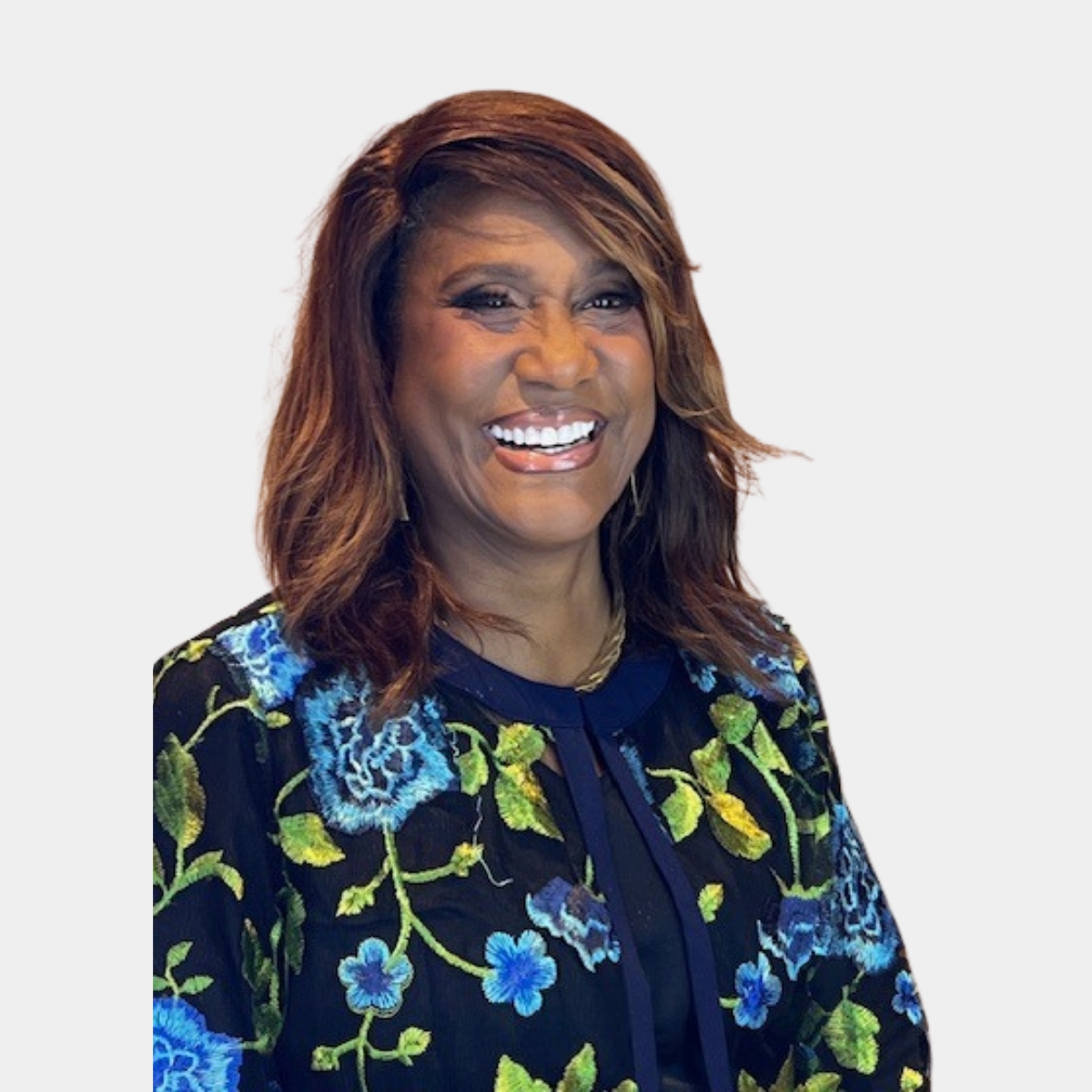
Franne McNeal
Franne McNeal, President, Significant Business Results LLC is known for helping architecture, engineering and construction firms with $1M-$20M in annual revenue, build scalable, transferable companies that increase in value, reduce owner dependence, and create more options for growth, succession, or sale. She help architects, engineers and construction firms become more valuable, so they don't collapse when the owner steps back. She solves the problems of low margins, inconsistent revenue and pressure to lower prices, by helping clients create a business that is an asset (one that runs without them), based on a proven system 8-pillar framework to increase the value of a business by 71%. Her clients are empowered to move from being indispensable operators to intentional builders of enduring businesses, so they create financial & personal freedom. Franne "FranneTastic" McNeal has helped 886+ small business owners collectively create 15,000 jobs and nearly $11 billion in revenue. She helps clients focus their energy for action to achieve significant business results.