.png)
My kids don’t want the business — how do I create a succession plan for my Construction company?

You’ve poured decades of your life into building a successful construction company. You envisioned a day when your children would take the reins, continuing a legacy you built from the ground up. But they have their own dreams, and those dreams don’t involve managing subcontractors, bidding on projects, or navigating the complexities of the AEC industry. It’s a moment that is both emotionally complex and strategically critical.
The disappointment is valid. But this pivot point is not an end; it is a transformation. It’s the moment you stop building a family inheritance and start building a high-value, transferable asset. The question is no longer, "Who in the family will take over?" but rather, "How do I build a company so valuable and efficient that a strategic buyer will compete for it?"
Table of Contents
• From Family Legacy to Transferable Asset: Shifting Your Succession Mindset
• Strengthening the 8 Key Drivers of Business Value
• Strategic Exit Options Beyond the Family Circle
From Family Legacy to Transferable Asset: Shifting Your Succession Mindset
For many AEC firm owners, the business is an extension of their identity. You are the chief problem-solver, the lead rainmaker, and the ultimate quality control. While this hands-on approach built your success, it’s also the single biggest obstacle to a profitable exit. A business that cannot function without its founder isn't a business—it's a high-paying, high-stress job with no exit plan.
A transferable asset, by contrast, is a business that operates on systems, not on the owner's personality. Its value is derived from its documented processes, its diversified client base, and its empowered leadership team. This is the difference between being an Indispensable Operator, whose departure collapses the company, and an Intentional Builder, who constructs an enterprise designed to thrive long after they’ve moved on.
The 'Owner Trap' in Architecture and Construction
Are you the only person who can calm a difficult client, secure a line of credit, or finalize a high-stakes bid? If so, you are likely caught in the 'Owner Trap.' This is the state where a business is so dependent on the founder’s personal involvement that its value is inseparable from their presence. For a professional buyer, this dependency isn’t a feature; it’s a critical flaw that significantly devalues your firm. The 'Owner Trap' is the primary barrier preventing AEC business owners from achieving a successful and financially rewarding exit.
Breaking free requires a deliberate shift: you must evolve from doing the work to designing the systems that do the work. If you're wondering how to tell if your business is too dependent on you, the first step is an objective assessment of your daily activities.
Strengthening the 8 Key Drivers of Business Value
To transform your firm into a sellable asset, you need a clear roadmap. The Value Builder System™ provides a proven framework built on 8 Key Drivers of Company Value. Owners who focus on strengthening these pillars have been shown to receive offers that are, on average, 71% higher than their peers. This isn't about a last-minute polish before a sale; it's a fundamental re-engineering of your business for maximum performance and appeal.
In today's challenging AEC environment—marked by high interest rates, tight labor markets, and compressed margins—two drivers are particularly critical:
Financial Performance
Buyers look for a history of strong, consistent profitability. This means mastering your cash flow, protecting your margins, and demonstrating that your success isn't tied to a single boom cycle.
Growth Potential
Your firm must have a compelling story about its future. This could be a new service line, expansion into a new geographic market, or a scalable process that allows for profitable growth.
Another crucial pillar is what we call "The Switzerland Structure." This principle is about achieving operational independence by ensuring you are not overly reliant on any one employee, client, or supplier. A business where 50% of revenue comes from a single client is a high-risk investment. Diversifying your dependencies creates a stable, resilient company that a new owner can confidently acquire.
Systemizing Operations to Mitigate AEC Industry Chaos
The most effective way to build value and reduce owner dependency is to systemize your operations. This means documenting "the way we do things" for everything from bidding and project management to client communication and financial reporting. These systems create consistency, reduce errors, and make your business far less reliant on individual heroics.
Furthermore, systems help you establish "Monopoly Control" by carving out a defensible niche. Instead of being a generalist competing on price, you become the go-to expert for a specific type of project or client. This specialization allows you to command higher margins and shields you from the commoditization that plagues much of the industry.
The first step is to understand your starting point. Take the Value Builder Assessment to get your score and see how your firm measures up on the 8 Key Drivers today.
Strategic Exit Options Beyond the Family Circle
Once you’ve started building a business that can run without you, several attractive exit paths open up. The key is that each of these options requires the same foundation: a strong, system-driven company that isn’t dependent on its founder.
Management Buyout (MBO)
You transition ownership to the loyal, experienced leadership team you've cultivated. This option preserves your company culture and provides continuity for employees and clients. It requires a team that is not only technically proficient but also possesses true leadership and business acumen.
Third-Party Sale
You position your firm to be acquired by a larger competitor or a private equity group. This path often yields the highest financial return but requires a pristine, well-documented business that can withstand intense due diligence. Your systems, client diversity, and growth potential will be under a microscope.
Employee Stock Ownership Plan (ESOP)
This option transfers ownership to your employees over time through a trust. An ESOP is a powerful tool for employee retention and can offer significant tax advantages, creating a stable and motivated ownership structure for the future.
For a deeper comparison of these options, you can explore the differences between selling to private equity, an ESOP, or your key employees.
Preparing Your Leadership Team for the Transition
No matter which path you choose, its success hinges on the readiness of your leadership team. They need to be prepared to step into your shoes, not just as managers, but as strategic leaders. This transition doesn't happen by accident.
This is where targeted Executive Leadership Coaching becomes essential. It bridges the gap between your team's current capabilities and the demands of future ownership. Similarly, joining a Mastermind group of fellow AEC owners provides an invaluable forum for navigating the complexities of an exit with peers who understand the unique pressures of the industry.
A practical first step is to create a three-year "step-back" plan. Gradually and intentionally reduce your operational hours, delegating key responsibilities and empowering your team to solve problems without you. Your goal is to make yourself progressively less essential, which, paradoxically, makes your business more valuable than ever.
Realizing your kids don’t want the business is not a failure. It is an opportunity to redefine your legacy—not by the name on the door, but by the enduring strength and value of the asset you’ve built. Start today by focusing on the systems and structures that will allow your company to flourish for years to come, securing your financial freedom and a successful exit.
Frequently Asked Questions (FAQs)
What if my construction company is too small for a third-party buyer?
Size is less important than profitability and systemization. A smaller, highly profitable niche firm with documented processes and a strong management team can be more attractive than a larger, chaotic one. Buyers are acquiring future cash flow; if your firm can reliably generate it without you, it will have value.
How do I determine the value of my AEC firm if my kids don't want it?
Valuation is based on a multiple of your earnings (typically EBITDA), adjusted for factors like owner dependency, customer concentration, and growth potential. The best way to get an accurate picture is to complete a professional assessment, like the Value Builder Score, which analyzes your business across the 8 Key Drivers that buyers care about.
Can I still have a legacy if my name isn't on the door after I sell?
Absolutely. Your legacy is not just your name; it’s the jobs you created, the team you developed, and the stable company that continues to thrive after your departure. Building a business that provides lasting careers for your employees and value to a new owner is a powerful legacy in itself.
How long does it typically take to prepare an AEC business for sale?
For most owners, preparing a business for a successful sale is a 3- to 5-year process. This timeline allows you to systematically reduce owner dependency, strengthen your financial performance, diversify your client base, and develop your leadership team—all of which are necessary to maximize your company's value.
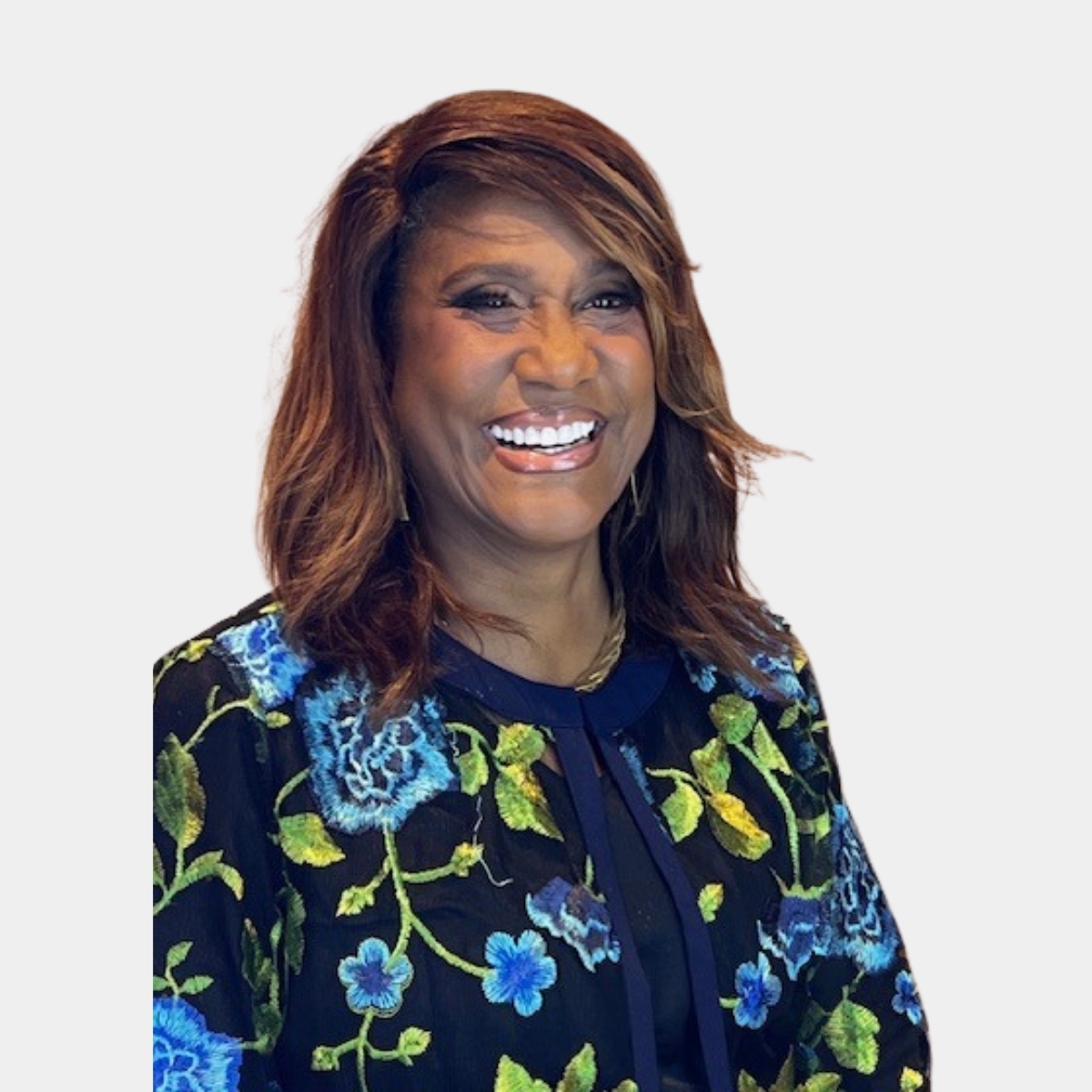
Article by
Franne McNeal
Franne McNeal, President, Significant Business Results LLC has helped 885+ small business owners collectively create 15,000 jobs and nearly $11 billion in revenue. I build architecture, engineering and construction (AEC) firms that are worth more and don't collapse when the owner steps back. We help architecture, engineering, and construction industry business owners with $1M-$20M in annual revenue, transform founder-dependent businesses into scalable, high-value enterprises. We solve the problems of low margins, inconsistent revenue and pressure to lower prices, by helping clients create a business that is an asset (one that runs without them), based on a proven system 8-pillar framework to increase the value of a business by 71%. We empower owners to move from being indispensable operators to intentional builders of enduring businesses, so they create financial & personal freedom. Our clients focus their energy for action to achieve significant business results.