.png)
Should I sell my construction company now or grow it for another 5 years first?

The AEC Owner’s Dilemma: Selling Now vs. Growing for Five Years
As an owner in the Architecture, Engineering, or Construction (AEC) industry, you face a critical question that defines your future: Should you sell your company now, or invest another five years to grow it? The answer depends on a single, crucial distinction. Do you currently own an asset—a business that generates value independently—or do you own a job that requires your constant presence to function?
For many AEC leaders, the daily reality feels more like the latter. You’re grappling with persistent labor shortages, navigating high interest rates, and managing tight cash flow. This operational grind leads to burnout and the feeling that you’re trapped. This is the “Owner Trap,” and it’s the primary reason many firms sell for far less than their potential. A business that revolves entirely around its founder is viewed by buyers as a high-risk investment, not a turnkey asset.
Simply put, owner dependency is the primary obstacle to a high-multiple exit. If your personal relationships drive sales, your expertise is required on every project, and your signature is needed on every major check, a potential buyer sees a company that will crumble the moment you leave.
The Hidden Cost of Being an Indispensable Operator
When a buyer evaluates your construction company, they aren’t just looking at your profit and loss statements; they are assessing risk. A founder-led firm, where the owner is the central pillar of operations, sales, and client relationships, carries immense risk. This dependency directly translates to a lower valuation multiple because the new owner has to account for the potential loss of clients and operational chaos after the transition.
To mitigate these risks, many owners turn to Founded Partners for specialized advisory and consulting services that help founder-led organizations build more resilient, transaction-ready structures.
Inconsistent revenue and low margins, common pain points in the AEC sector, further complicate an immediate sale. Without predictable cash flow and documented systems, your firm looks less like a stable investment and more like a demanding job the buyer has to take over. Before you can command a premium price, you must prove that the business is a well-oiled machine, not just a reflection of your personal effort. To see where your business currently stands, you can assess its health across the 8 key drivers of company value.
Building the Asset: How the 8-Pillar Framework Increases Firm Value by 71%
Deciding to grow for another five years isn't about working harder; it’s about working smarter to transform your job into a sellable asset. This is where a strategic framework becomes your engine for growth. The Value Builder System™, built on 8 key pillars, is a proven methodology for turning AEC firms into high-value enterprises that can run without you. Studies show that businesses implementing this system achieve valuations that are, on average, 71% higher than their peers.
This framework systematically reduces owner dependency and increases predictability—the two factors buyers value most. Instead of grinding through another five years of the same operational headaches, you can intentionally build a more resilient and profitable company. Consider a few of the core pillars:
The Switzerland Structure
This principle focuses on making your business independent of any single employee, customer, or supplier. If a key project manager leaves or your largest client goes elsewhere, can your business continue to thrive? By diversifying your client base and cross-training your team, you create a stable foundation that isn't vulnerable to a single point of failure. This is a crucial step in proving your company's long-term viability.
The Valuation Teeter-Totter
Your company’s value is directly tied to its cash flow. The more cash your business generates and the less it needs to operate, the higher its value. This pillar helps you optimize cash flow management by improving billing cycles, managing project costs effectively, and building a cash reserve. A business that is not constantly starved for cash is a far more attractive acquisition target.
Recurring Revenue
The construction industry often relies on one-off projects, creating a "feast or famine" revenue cycle. This pillar guides you toward creating predictable, recurring revenue streams. This could involve developing service and maintenance contracts, offering productized consulting packages, or creating other long-term agreements that smooth out cash flow and make future revenue more forecastable.
Actionable Tip: Begin the transition to a system-driven business this week. Choose one core process—whether it’s new client intake, project kickoff, or change order approval—and document it step-by-step. This small action is the first move toward creating a company that runs on systems, not on you.
Leveraging The Value Builder System™ for AEC Growth
Implementing a proven system is the most direct path to increasing your firm's value over a five-year horizon. It provides a clear roadmap for addressing the specific weaknesses that drag down your valuation. By focusing on these 8 key drivers, you methodically build a company that is not only more profitable and easier to run today but also significantly more valuable to a buyer in the future. The first step is understanding your baseline. Taking the Value Builder Score assessment will give you an objective look at your company's strengths and weaknesses, highlighting exactly where to focus your efforts for the greatest impact.
From Operator to Intentional Builder: Your Strategic Exit Roadmap
The choice between selling now and growing for five years is ultimately a choice of mindset. You can continue as a reactive operator, getting through the day-to-day chaos, or you can become an intentional builder, focused on creating an enduring enterprise. Shifting to an intentional builder means your primary job is no longer to manage projects, but to build the systems and team that manage projects for you.
This strategic shift involves several key steps:
Build a Leadership Team
Identify and empower key employees who can manage critical functions like project management, sales, and finance without your daily intervention. This is often the most challenging step, but it is essential for making your firm less dependent on you.
Systematize Operations
Document your core processes for everything from bidding and scheduling to safety and client communication. Systems ensure quality and consistency, regardless of who is performing the task.
Focus on Financial Health
Move beyond simply being "busy" to achieving consistent, healthy profit margins. This means understanding your true job costs, bidding strategically, and managing cash flow with discipline.
By addressing today’s AEC pain points—like regulatory compliance and labor shortages—with better systems instead of more personal effort, you create a scalable business. You’re no longer the bottleneck; you’re the architect of a self-sustaining company.
For owners in the electrical, solar, or HVAC sectors, building this level of operational maturity makes the firm an ideal candidate for acquisition by groups like Impact Power, which focuses on scaling high-quality trade businesses across Australia.
Creating Personal and Financial Freedom Through AEC Coaching
Making this transition from operator to owner is challenging to do alone. This is where targeted AEC business coaching becomes invaluable. A coach acts as a strategic partner, providing the accountability, expertise, and frameworks needed to navigate this transformation successfully. Programs like the Significant Business Results Mastermind offer a peer-learning environment where you can share challenges and solutions with other AEC owners on the same journey.
Ultimately, the decision to sell now or wait is yours. But waiting without a plan is just delaying the inevitable. By choosing to become an intentional builder, you are not just increasing the value of your firm; you are creating a future with more options, more freedom, and a more significant financial reward. You can finally move from chaos management to intentional building.
Request a Strategic Planning Session to start building your AEC asset today.
Frequently Asked Questions (FAQs)
How do I know if my construction company is actually sellable right now?
A company is sellable if it can demonstrate consistent profitability and operate without the owner's daily involvement. Key indicators include a strong management team, documented operational processes, diverse client base, and clean, up-to-date financial records. If a buyer believes the business would decline significantly after you exit, it is not yet a sellable asset.
Can the 8-pillar framework really increase my firm's value by 71%?
Yes. The 71% figure is based on extensive research by The Value Builder System™ across tens of thousands of businesses. Companies that focus on improving their scores across the eight key drivers—such as recurring revenue, customer diversity, and owner independence—become statistically more attractive to buyers and command higher acquisition offers compared to businesses that do not.
What is the biggest mistake AEC owners make when preparing for an exit?
The biggest mistake is waiting too long to start. Many owners begin thinking about their exit only a year or two before they want to sell. This is not enough time to fix fundamental issues like owner dependency or inconsistent cash flow. True preparation is a multi-year process of intentionally building a valuable, transferable asset.
How long does it take to reduce owner dependency in a $5M-$10M firm?
For a firm of this size, significantly reducing owner dependency typically takes 24 to 36 months of focused effort. This timeline allows for hiring or promoting a leadership team, documenting and implementing new systems, and successfully transferring key client relationships. It is a gradual process of empowering your team to run the business effectively without you.
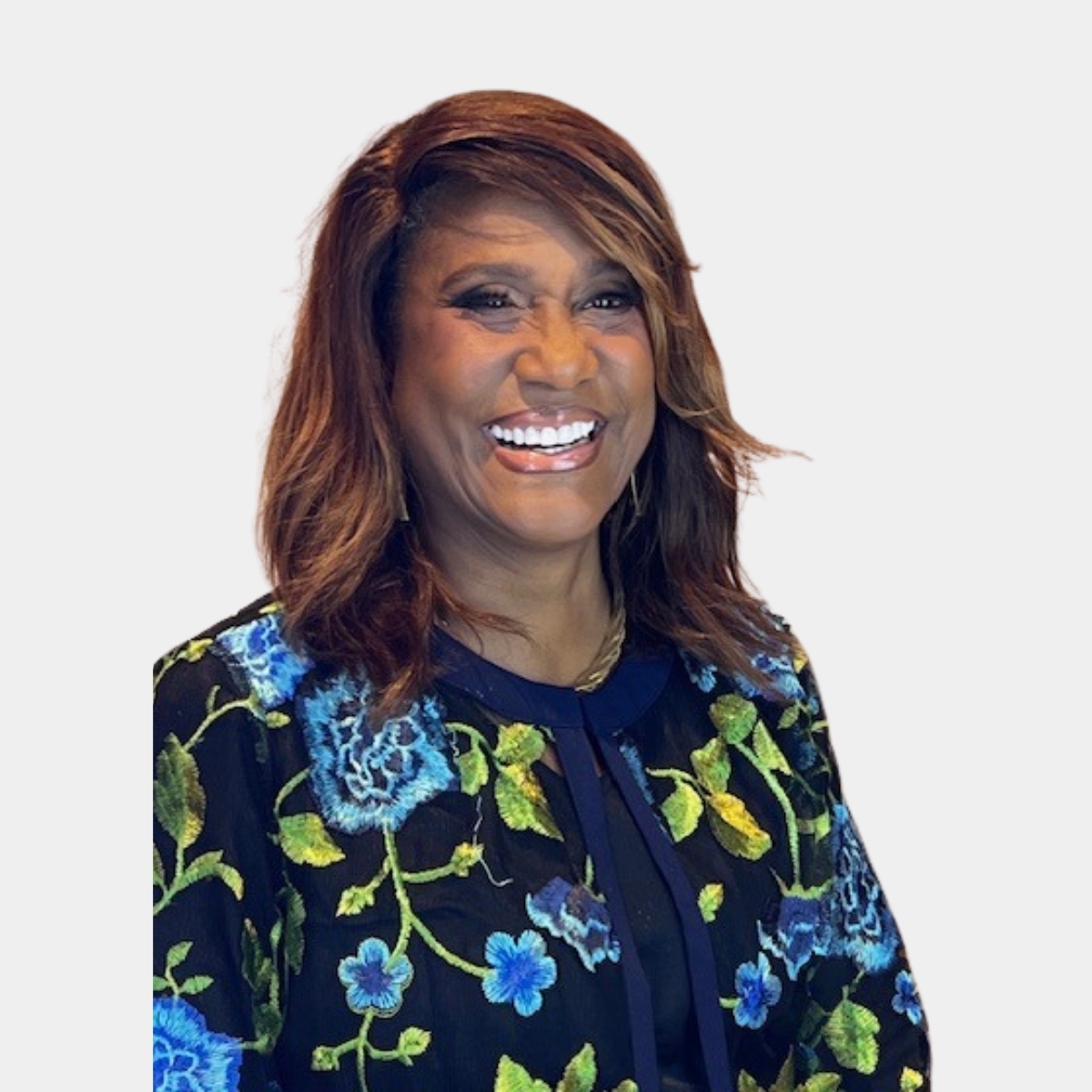
Article by
Franne McNeal
Franne McNeal, President, Significant Business Results LLC is known for helping architecture, engineering and construction firms with $1M-$20M in annual revenue, build scalable, transferable companies that increase in value, reduce owner dependence, and create more options for growth, succession, or sale. She help architects, engineers and construction firms become more valuable, so they don't collapse when the owner steps back. She solves the problems of low margins, inconsistent revenue and pressure to lower prices, by helping clients create a business that is an asset (one that runs without them), based on a proven system 8-pillar framework to increase the value of a business by 71%. Her clients are empowered to move from being indispensable operators to intentional builders of enduring businesses, so they create financial & personal freedom. Franne "FranneTastic" McNeal has helped 886+ small business owners collectively create 15,000 jobs and nearly $11 billion in revenue. She helps clients focus their energy for action to achieve significant business results.