.png)
Succession planning for Architecture Firms

Table of Contents
• Transitioning from Indispensable Operator to Intentional Builder
• The 8-Pillar Framework: Maximizing Your Firm's Valuation
• Executing the Transition: Coaching and Peer Accountability
Transitioning from Indispensable Operator to Intentional Builder
Many architecture firm founders fall into the 'Indispensable Operator' trap. You are the primary rainmaker, the lead designer, and the ultimate problem-solver. While this hands-on approach builds a practice, it fails to create a sellable asset. The firm’s value is inextricably tied to your personal brand and daily involvement, making a successful exit nearly impossible. The path to true financial and personal freedom requires a fundamental mindset shift: from operator to 'Intentional Builder'. This means viewing your architecture firm not as your job, but as your most valuable product.
Traditional Succession planning in the AEC industry often fails because it focuses on finding the right successor before building the right systems. The search for a clone of the founder is a futile exercise. A successful transition depends on creating a business that is valuable and operable independent of any single individual. Overcoming the emotional hurdle of letting go is the first step toward building a firm that can thrive without you, securing both your legacy and your future.
The Architecture Leadership Vacuum
The AEC industry faces a significant challenge: a generation of baby boomer principals is approaching retirement, but there is a shortage of mid-level management ready to step up. This creates a leadership vacuum that can destabilize a firm during a transition. The first step in mitigating this risk is to diagnose the extent of your firm’s reliance on you. An owner-dependent firm is difficult to value and even harder to sell. A candid assessment reveals whether your business is a well-oiled machine or a practice that revolves entirely around its founder.
To determine if your firm is truly exit-ready, you must objectively measure its level of owner dependency. A specialized assessment can provide a clear, data-driven perspective. Take the Value Builder Score assessment to understand how a potential buyer would view your business today.
Building an Asset, Not Just a Practice
There is a critical distinction between a practice that provides a good salary and a firm that functions as a sellable asset. A practice relies on your personal effort to generate revenue, while an asset generates value through its systems, team, and recurring client base. Building an asset requires shifting your energy from day-to-day project management to high-level strategic action. This means dedicating your time to refining operations, developing your leadership team, and creating scalable processes that ensure consistent quality and profitability, regardless of who is in charge.
This transition is not just about preparing for an exit; it’s about building a more resilient, profitable, and enjoyable business to run right now. A firm that can run without you is not only more valuable, but it also gives you the freedom to choose your level of involvement. Learn more about the risks of being an irreplaceable business owner and how to mitigate them.
The 8-Pillar Framework: Maximizing Your Firm's Valuation
To systematically increase your firm's value, you need a proven roadmap. The Value Builder System™ provides an 8-pillar framework designed to increase business value by up to 71%. This methodology shifts the focus from simply completing projects to building a robust company with a strong valuation. For architecture firms, two pillars are particularly critical: Financial Performance and reducing owner dependency, which we measure through a driver called 'The Hub and Spoke'.
The AEC industry is consistently challenged by low margins, inconsistent revenue streams, and downward price pressure. The 8-pillar framework directly addresses these pain points by installing systems that create predictable cash flow and protect profitability. The goal is to build a firm that is not just successful, but demonstrably valuable to an outside buyer or an internal successor.
Reducing Owner Dependency Through Systems
The most significant barrier to a successful succession is often the founder themself. When all decisions, client relationships, and technical oversight flow through the principal, the business becomes a high-risk investment for any potential acquirer. The Hub and Spoke driver is the measure of a firm's ability to function without its owner. A low score here indicates that you are the hub, and the business cannot operate without you. To improve your score, you must implement standard operating procedures (SOPs) for every critical function, from design development and client management to project delivery and financial controls. These systems make your firm’s performance repeatable and scalable, turning your unique expertise into a transferable company asset.
For more insights, explore our succession planning resources for AEC firms.
Improving Revenue and Long-Term Performance
A firm’s valuation hinges on the quality and predictability of its revenue. Many architecture firms operate on a project-to-project basis, making them vulnerable to market fluctuations and the pressures of competitive bidding. To combat this, you can build recurring revenue models. This could include offering facility management consulting, ongoing design advisory services, or phased master planning contracts. These services create a predictable income stream that is highly attractive to buyers. Furthermore, shifting from competitive bidding to value-based pricing allows you to command higher fees based on the strategic value you deliver, protecting your margins against rising costs and high interest rates.
Executing the Transition: Coaching and Peer Accountability
Building a sellable asset is a complex endeavor that requires strategic guidance and unwavering focus. Executive Leadership Coaching plays a critical role in preparing both the current owner and the next generation of principals for the transition. A coach provides an objective perspective, helping you navigate the strategic decisions and leadership challenges inherent in the succession process. This structured support ensures the future leadership team is equipped with the business acumen required to lead the firm forward.
The journey can also be isolating. Engaging with a peer group of fellow AEC owners provides an invaluable forum for sharing challenges and solutions. The Significant Business Results Mastermind offers a confidential environment for peer-to-peer learning and strategic growth planning, helping you stay accountable to your long-term goals. A successful transition moves you from CEO to Chairman and, ultimately, to a retired owner with a passive income stream. This path requires deliberate planning to avoid common mistakes like poor timing, lack of transparency with your team, and an unrealistic valuation.
The Power of the AEC Mastermind
Navigating challenges like labor shortages, regulatory compliance, and technological disruption is easier when you can draw on the collective experience of your peers. The AEC Mastermind brings together non-competing firm leaders to solve their most pressing business problems. These facilitated sessions focus on high-level strategic planning, ensuring your entire leadership team is aligned on the vision for the exit. This collaborative approach accelerates problem-solving and provides the accountability needed to execute a multi-year succession plan effectively.
Your 5-Step Succession Roadmap
A successful exit is not a single event but a carefully managed process. While every firm is unique, the strategic path follows a clear sequence. At Significant Business Results, we focus on the strategy and value creation that precede the legal and financial transaction. Our role is to prepare your business for maximum value, not to provide legal documentation. Our process is your roadmap:
Baseline Valuation
We start with a comprehensive assessment to understand your firm’s current value and identify key areas for improvement based on the 8-pillar framework.
Pillar Optimization
We work with you to implement systems and strategies that strengthen each of the eight value drivers, with a focus on reducing owner dependency and increasing recurring revenue.
Leadership Grooming
Through targeted AEC Executive Coaching, we prepare your emerging leaders to take on greater responsibility and develop the skills needed to run the business.
Strategic Documentation
We guide you in documenting your core processes and systems, creating a turnkey operation that gives a buyer confidence in the firm’s future performance.
Transition Execution
We help you manage the strategic aspects of the transition, ensuring a smooth handover of responsibilities and relationships to the new leadership.
Frequently Asked Questions (FAQs)
How long does a typical architecture firm succession plan take to implement?
A comprehensive succession plan typically takes three to ten years to implement effectively. This timeline allows for the systematic improvement of business value, the grooming of a successor or leadership team, and the gradual transition of responsibilities and client relationships. Starting early is the single most important factor in maximizing your exit options and final valuation.
Can I sell my architecture firm if it currently relies on my personal reputation?
Yes, but its value will be significantly diminished. A firm dependent on the founder's reputation is seen as a high-risk acquisition. The key is to begin a multi-year process of transferring that reputational equity to the firm itself. This involves building a strong brand independent of your name, developing other rainmakers on your team, and systematizing your design and delivery processes so that clients are loyal to the company, not just to you.
What are the 8 drivers of company value for an AEC business?
The 8 key drivers from The Value Builder System™ are: Financial Performance, Growth Potential, The Switzerland Structure (diversified customers), The Valuation Teeter-Totter (cash flow), The Recurring Revenue, The Monopoly Control (differentiation), Customer Satisfaction, and The Hub & Spoke (owner dependency). For architecture firms, reducing owner dependency and building recurring revenue are often the most critical areas for improvement.
Is an internal transition better than selling to an outside buyer for a design firm?
Neither is inherently better; the right choice depends on your goals and the state of your firm. An internal transition to key employees can be excellent for preserving the firm's culture and legacy, but it requires grooming leaders who have both the desire and the financial capacity to buy you out. An external sale to a strategic buyer or private equity firm can often yield a higher financial return but may result in significant cultural changes. The best strategy is to build a valuable, transferable asset that makes both options viable.
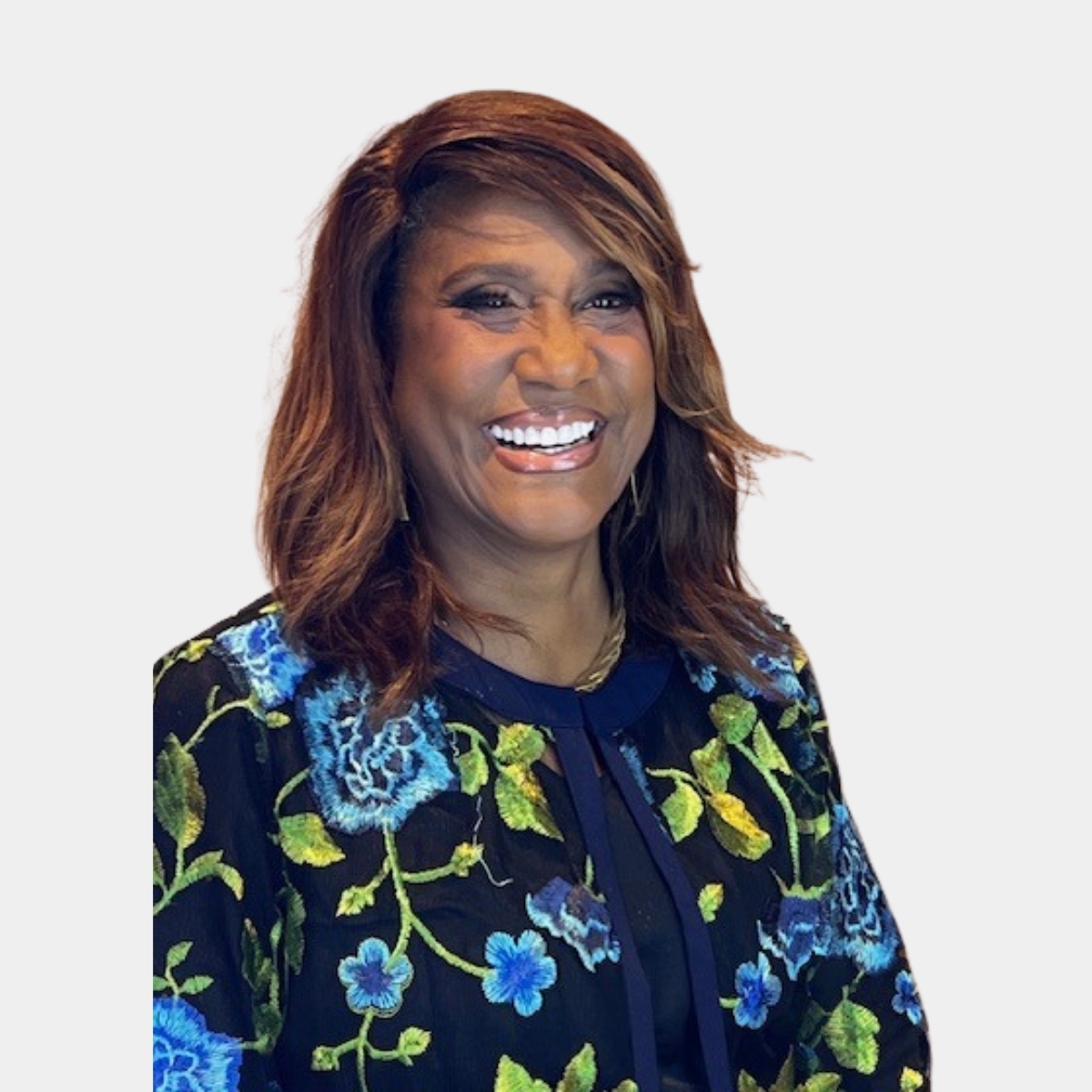
Article by
Franne McNeal
Franne McNeal, President, Significant Business Results LLC has helped 885+ small business owners collectively create 15,000 jobs and nearly $11 billion in revenue. We help architecture, engineering, and construction industry business owners with $1M-$20M in annual revenue, transform founder-dependent businesses into scalable, high-value enterprises. We solve the problems of low margins, inconsistent revenue and pressure to lower prices, by helping clients create a business that is an asset (one that runs without them), based on a proven system 8-pillar framework to increase the value of a business by 71%. We empower owners to move from being indispensable operators to intentional builders of enduring businesses, so they create financial & personal freedom. Our clients focus their energy for action to achieve significant business results.