.png)
The #1 financial mistake sinking Engineering Firm sales

Many engineering firm owners believe the path to a high-value exit is paved with ever-increasing revenue. They chase larger contracts, expand their teams, and celebrate top-line growth as the ultimate measure of success. Yet, when the time comes to sell, they are often met with shockingly low offers or, worse, a complete lack of interest. The firm that looked successful on paper turns out to be a high-stress job, not a valuable asset. The reason often comes down to one critical financial mistake.
The mistake is not a lack of ambition or technical skill. It is the failure to understand the relationship between growth and cash. Successful founders transition from being an Indispensable Operator, central to every project and sale, to an Intentional Builder who creates a business that runs without them. This shift in mindset is what separates firms that sell for millions from those that simply close their doors.
Table of Contents
• The Revenue Trap: Why Top-Line Growth Often Masks a Failing Asset
• Mastering the Valuation Seesaw: The Metric That Determines Your Exit Price
• From Operator to Intentional Builder: Preparing Your Firm for a Seven-Figure Exit
The Revenue Trap: Why Top-Line Growth Often Masks a Failing Asset
The single most destructive financial mistake in the AEC industry is prioritizing revenue growth while ignoring its impact on cash flow. This dynamic, which we call the Valuation Seesaw, measures the impact of your firm’s growth on its cash flow. When growth consumes more cash than it generates, the business becomes a liability, not an asset. This is the heart of the "Owner's Trap," a situation where the founder’s personal involvement is the only thing keeping the firm afloat. The owner becomes the primary rainmaker, the lead technical expert, and the chief problem-solver, creating a business that is entirely dependent on them.
This dependency creates a high-income job, but it has zero exit value. A potential buyer isn’t looking to purchase a job; they are looking to acquire a scalable, predictable asset. An Intentional Builder understands this distinction. They focus on building systems and processes that generate consistent results, transforming their firm from a service dependent on one person into a product that can be sold.
The Illusion of Success in AEC Firms
Consider two engineering firms. One is a $10 million firm celebrated for its marquee projects, but it suffers from inconsistent profit margins and chaotic cash flow. Every new project is a custom endeavor, requiring the founder’s direct oversight to manage scope creep and client demands. The other is a $3 million firm with highly predictable systems, consistent margins, and a steady stream of recurring work. A junior engineer can execute core processes flawlessly because they have been documented and refined.
To an acquirer, the smaller, systemized firm is vastly more valuable. Its value lies not in its revenue figure but in its operational maturity. The hidden cost of the larger firm’s "custom work" is its complete reliance on the founder. If the founder leaves, the firm’s ability to deliver—and generate revenue—leaves with them. This is a risk most buyers are unwilling to take. The Indispensable Operator has built a perfect prison, while the Intentional Builder has constructed an enduring asset.
Mastering the Valuation Seesaw: The Metric That Determines Your Exit Price
To build a sellable firm, you must master the Valuation Seesaw. The central question it forces you to answer is: How much cash does it take to fund one dollar of growth in your firm? For many engineering firms, the answer is alarming. Long payment cycles, high accounts receivable, and significant work-in-progress (WIP) create a "Cash Suck" model. As you win bigger projects, you need more working capital to float payroll and expenses, often waiting 60, 90, or even 120 days for payment. This growth is unsustainable and deeply unattractive to buyers.
Acquirers look for "Cash Rich" models, where the business generates cash as it grows. The antidote to the Cash Suck model is a systematic approach to building value. This is where a proven framework, like The Value Builder System™, becomes essential. By focusing on eight key drivers of company value, you can methodically increase your firm's worth. Two pillars are particularly critical for fixing the Valuation Seesaw: Financial Performance and Recurring Revenue.
Improving these drivers shifts your focus from chasing revenue to engineering a business that is profitable, predictable, and self-sufficient. To see how your firm measures up across all eight drivers, you can download the free 8 Key Drivers of Company Value eBook and begin your journey toward building a more valuable asset.
The Role of Working Capital in AEC Valuations
Buyers scrutinize a firm's working capital with surgical precision. A balance sheet loaded with high accounts receivable or unbilled WIP is a major red flag. It signals operational inefficiency and a high risk of cash shortfalls. Buyers will often penalize the valuation for this, either by reducing the offer or by structuring a deal that requires the seller to leave a significant amount of cash in the business post-sale.
To strengthen your balance sheet and valuation, it is also vital to explore specialized tax incentives. Engineered Tax Services specializes in helping AEC firms leverage R&D tax credits and cost segregation studies to increase profitability and keep more capital in the business.
Flipping the seesaw from a Cash Suck to a Cash Rich model requires strategic changes. Instead of financing your clients' projects, implement systems to get paid faster or upfront. This can include:
Project retainers
Secure a portion of the project fee before work begins.
Phase-based billing
Invoice clients upon the completion of specific, predefined milestones rather than waiting until the end of a project.
Subscription services
For ongoing consulting, environmental monitoring, or compliance work, transition clients to a recurring revenue model with automated monthly payments.
These strategies not only improve cash flow but also create the kind of predictable revenue that commands premium
From Operator to Intentional Builder: Preparing Your Firm for a Seven-Figure Exit
The transition from an Indispensable Operator to an Intentional Builder is the most important journey a founder can take. It’s a deliberate process of systemization, delegation, and strategic planning that transforms your role from the company’s primary doer to its chief architect. This is not about working harder; it’s about working on the right things—the systems that will allow your business to thrive without you.
This transformation follows a clear, three-step path:
Identify Your Value Gaps
The first step is to get an objective measure of your firm's current sellability. A comprehensive assessment will analyze your business across the eight key drivers of value and provide a clear picture of your strengths and weaknesses. It establishes a baseline and gives you a roadmap for improvement. You can get your Value Builder Score to see where you stand.
Implement a "Hub and Spoke" Model
To reduce founder dependency, you must decentralize decision-making and knowledge. The "Hub and Spoke" model ensures that your team, not just you, is empowered to manage client relationships, lead projects, and drive sales. This requires documenting standard operating procedures for everything from proposal writing to project execution, creating a company that can scale beyond your personal capacity.
Align Your Leadership Team
Building a valuable asset is a team sport. Your key employees must be aligned with the vision and understand their role in executing it. A peer-to-peer environment, such as the Significant Business Results Mastermind, provides a structured forum for leadership teams to solve challenges, share best practices, and hold each other accountable for building a more systematic and valuable firm.
Building an Enduring Asset
Ultimately, preparing your firm for sale requires a profound psychological shift. You must stop thinking of your engineering firm as a service you provide and start viewing it as a product you are building. A product has features, systems, and a value proposition that exists independently of its creator. It is designed to be consistent, reliable, and scalable.
This mindset changes how you approach every aspect of your business. It transforms the question from "How can I solve this client's problem?" to "How can I build a system that solves this type of problem for any client, delivered by any qualified member of my team?" This is the core difference between working in your business versus on it.
Here is an actionable tip you can implement this week: Identify one repetitive technical or administrative process that you are consistently involved in. Document it step-by-step in a simple checklist or process map. Then, delegate it to a junior team member and empower them to execute it flawlessly. This small act is the first step in building a business that is an asset, not just a job.
By avoiding the revenue trap and mastering the Valuation Seesaw, you can build an engineering firm that not only provides for you today but also secures your financial freedom tomorrow. It's the definitive move of an Intentional Builder.
Take the Value Builder Assessment to see if your firm is an asset or a job.
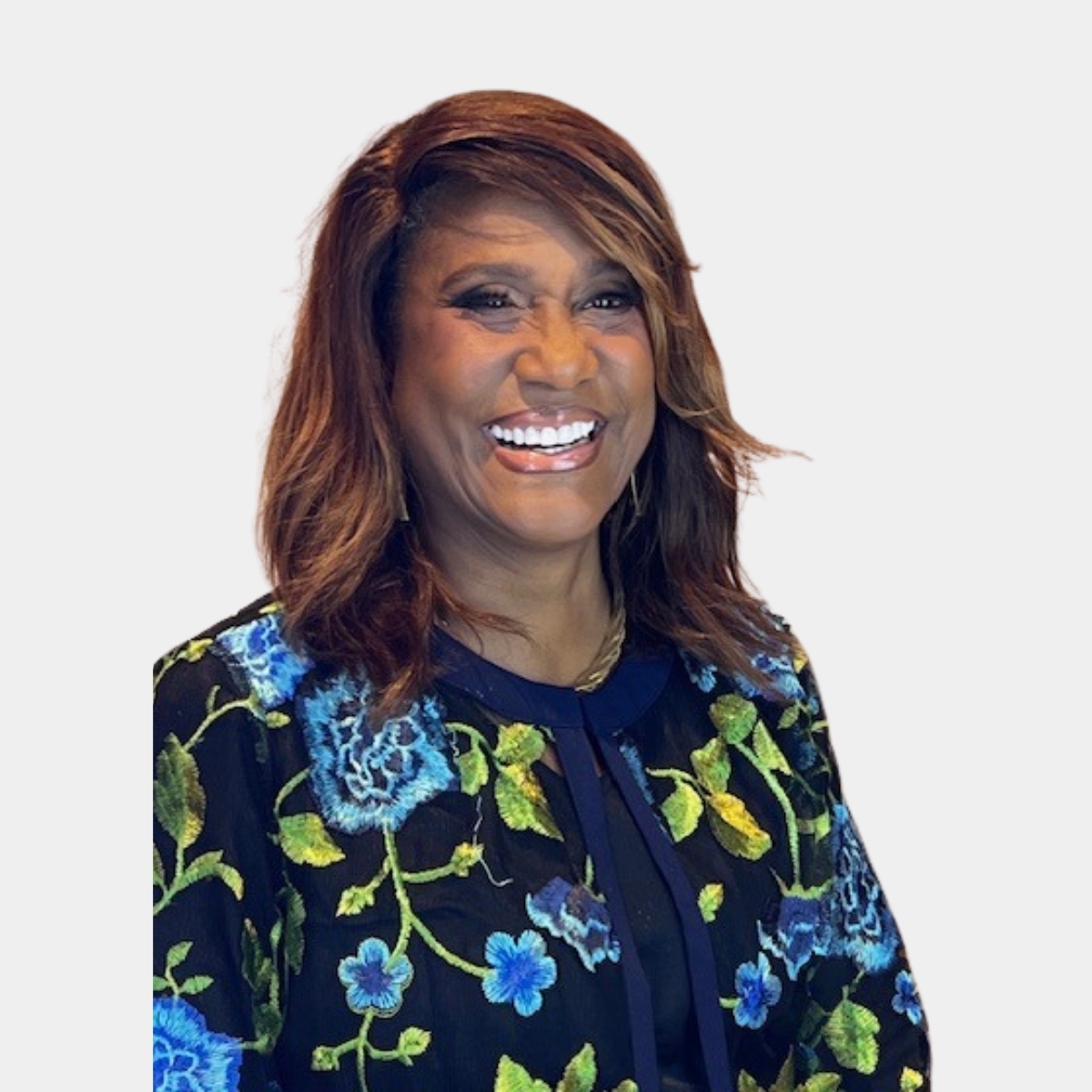
Article by
Franne McNeal
Franne McNeal, President, Significant Business Results LLC has helped 885+ small business owners collectively create 15,000 jobs and nearly $11 billion in revenue. We help architecture, engineering, and construction industry business owners with $1M-$20M in annual revenue, transform founder-dependent businesses into scalable, high-value enterprises. We solve the problems of low margins, inconsistent revenue and pressure to lower prices, by helping clients create a business that is an asset (one that runs without them), based on a proven system 8-pillar framework to increase the value of a business by 71%. We empower owners to move from being indispensable operators to intentional builders of enduring businesses, so they create financial & personal freedom. Our clients focus their energy for action to achieve significant business results.