
The Beliefs That Keep Owners From Stepping Back

What if the belief that your AEC firm needs you in every decision is limiting its ability to grow? The Beliefs That Keep Owners From Stepping Back can seem grounded in experience: you know the clients, understand the work, and feel accountable for every result. With costs rising and revenue sometimes uneven, staying closely involved may seem like the prudent choice.
Yet a firm’s long-term strength depends on more than the owner’s daily effort. This article explores how to recognize assumptions that may be shaping your role, examine what the business actually requires, and identify thoughtful ways to build capacity. The aim isn’t to step away abruptly. It’s to make deliberate progress toward a business that can operate with less reliance on you.
Key Takeaways
• The Beliefs That Keep Owners From Stepping Back can feel like facts. Treat concerns about client trust and quality as assumptions to examine against how work actually gets done.
• Choose one recurring decision or interruption and look for observable evidence of why it still depends on you.
• Build leadership capacity and clearer ways of working through deliberate steps, rather than expecting an overnight handoff.
• Explore how the Value Builder System’s eight-pillar framework can help you strengthen the firm as a lasting business asset.
Table of Contents
• The Beliefs That Keep AEC Owners From Stepping Back
• How to Test the Beliefs That Keep You Involved in Every Decision
• Build an AEC Firm That Can Operate Beyond the Owner
The Beliefs That Keep AEC Owners From Stepping Back
Wanting dependable standards is responsible leadership. The difficulty begins when every question, client concern, or quality check returns to you by default. In an AEC firm, staying involved can feel necessary when margins are tight, clients are pressing for lower prices, or rising costs make each project decision consequential. But if every issue waits for the owner, there’s less capacity to build a firm that can respond consistently.
Consider two familiar beliefs: “Clients only trust me” and “Quality depends on my personal review.” Either may reflect a real risk in a particular firm, but neither should be treated as a universal truth. A client may value your expertise while also developing confidence in a project lead. A review may catch an error, or it may be compensating for unclear responsibilities or checks.
Other pressures can reinforce owner dependence. High interest rates may make project financing more challenging; limited subcontracts can constrain the work available; and cash flow concerns can make any change feel risky. Regulatory compliance also demands attention. These realities deserve careful management, but they don’t automatically prove that every decision must remain with you.
How to tell a leadership belief from a business fact
Repeated habits can feel essential simply because the firm hasn’t tested another approach. For example, an owner might personally review every drawing package after a past coordination issue. That history matters, but it doesn’t prove every package requires the same level of owner review. Look at which checks caught the issue and whether a capable team member can apply them reliably.
An assumption describes what you expect; an operating pattern shows what the firm repeatedly does and what the evidence supports. Note where your involvement is requested, what risk it addresses, and whether the same decision follows a clear process. This distinction turns reflection into a practical view of how the firm operates.
How to Test the Beliefs That Keep You Involved in Every Decision
A belief becomes easier to assess when you connect it to a specific moment at work. Don’t try to rethink the entire firm at once. Choose one recurring decision or interruption, such as a project lead asking you to resolve a routine client concern, then examine what is happening before stepping in.
A practical belief audit for an AEC firm
Write down three details: the situation, the assumption behind your response, and what actually happened. For example: “A project lead asked me to approve a schedule adjustment. I assumed the client would reject it without my input. The lead explained the impact, proposed a revised sequence, and the client accepted.” The record helps separate the prediction from the result.
Next, distinguish immediate risk from discomfort with changing a familiar routine. A safety, contract, or project-quality concern may call for a defined review. Feeling uneasy because you’re not copied on every exchange is different. Both deserve attention, but they call for different responses.
Then run a small, reversible test. Assign one capable person to handle a clearly bounded decision, state when it should come back to you, and agree on a review point. Track what happened: Was the decision sound? Did a real risk arise? Did the process need clarification? Use what you learn to adjust the boundary, not to judge the person on one outcome.
Repeat the audit with a different recurring issue only after the first test has produced useful evidence. The Beliefs That Keep Owners From Stepping Back are easier to challenge when you replace broad conclusions with specific observations. A Value Builder Score assessment can offer a structured view of where the firm depends on you. If you’re ready to explore a more independent business, learn how Significant Business Results works with AEC owners.
Build an AEC Firm That Can Operate Beyond the Owner
Testing a belief is useful only if it leads to a stronger way of working. The goal isn’t to disappear from the business overnight. It’s to build leadership capacity and reliable systems gradually, so more decisions can be handled well without waiting for you. That matters in an AEC firm, where the owner’s time is often pulled between project demands, client relationships, staffing, and the next opportunity.
A structured business framework offers a proven approach to strengthening long-term firm value and reducing reliance on the owner. Focusing on comprehensive operational drivers helps increase company valuation over time, though results vary based on execution. The practical focus is on building a more resilient business, one with clearer ways of working and greater capacity to operate beyond its founder’s daily involvement.
Turn a mindset shift into a measured business-building plan
Choose one dependency to address first. It might be routine project decisions, client updates, or a recurring approval that only you currently provide. Define progress in observable terms: fewer routine requests reaching you, a designated leader resolving a defined type of issue, or a process being followed consistently. Review the measure at agreed intervals and refine the approach if quality, client experience, or project control needs attention.
Confidential coaching from Significant Business Results can help AEC owners turn these priorities into practical steps while strengthening a firm that operates with less founder reliance. The Beliefs That Keep Owners From Stepping Back don’t need to dictate how the business runs. With deliberate changes, the owner can shift more attention from daily problem-solving to building an enduring asset.
Explore AEC coaching and advisory.
Make Your Next Move a Business-Building Decision
Your firm’s future isn’t determined by how many decisions still reach your desk today. It’s shaped by whether you make room for capable people, clear standards, and dependable ways of working to grow. The Beliefs That Keep Owners From Stepping Back can be a prompt to consider not only what you trust yourself to do, but what the business needs to learn to do well without you.
That shift takes focus and patience. Each practical change can create more space for you to lead deliberately, strengthen the firm, and make choices with its long-term value in mind. Significant Business Results brings more than three decades of experience advising business owners to this work.
If you’re ready to consider your next step, Explore confidential AEC coaching and advisory. You can build a firm that reflects your leadership and is increasingly prepared to thrive beyond your daily involvement.
Frequently Asked Questions
Does stepping back mean I have to sell my AEC firm?
No. Stepping back means reducing the firm’s reliance on your day-to-day decisions, not committing to a sale. You can remain the owner and set direction while others take on more responsibility for running the business. The right level of involvement depends on your goals. A firm with stronger continuity can benefit you whether you plan to keep it, grow it, or eventually sell it.
How early should an owner prepare for a PE or strategic sale?
Owners usually start 2-5 years before a PE or strategic sale because changes take time to reflect in price. That period can be used to strengthen leadership depth, improve how performance is tracked, and reduce dependence on the owner. You don’t need to wait until a transaction is certain to begin building a firm that is more prepared for a future transition.
Can I start challenging these beliefs before my leadership team is fully ready?
Yes. Start by identifying what information your leaders need to make sound decisions. For a project, create a shared brief that records client priorities, budget assumptions, key deadlines, and unresolved risks. This can reveal whether a decision is coming back to you because of a genuine skill gap or because important context isn’t accessible. The Beliefs That Keep Owners From Stepping Back can point to where clearer information would help.
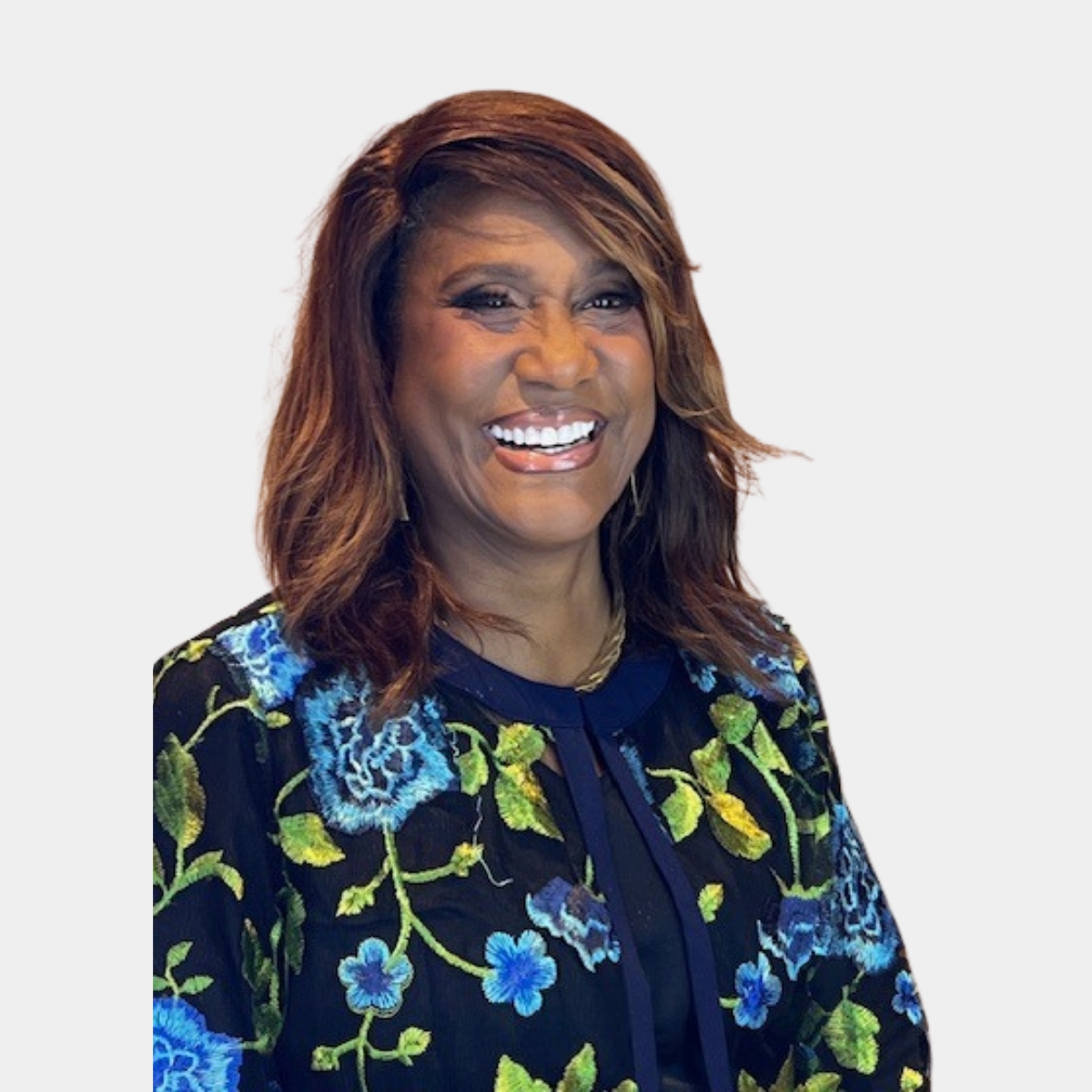
Article by
Franne McNeal
Franne McNeal, President, Significant Business Results LLC is known for helping architecture, engineering and construction firms with $1M-$20M in annual revenue, build scalable, transferable companies that increase in value, reduce owner dependence, and create more options for growth, succession, or sale. She help architects, engineers and construction firms become more valuable, so they don't collapse when the owner steps back. She solves the problems of low margins, inconsistent revenue and pressure to lower prices, by helping clients create a business that is an asset (one that runs without them), based on a proven system 8-pillar framework to increase the value of a business by 71%. Her clients are empowered to move from being indispensable operators to intentional builders of enduring businesses, so they create financial & personal freedom. Franne "FranneTastic" McNeal has helped 886+ small business owners collectively create 15,000 jobs and nearly $11 billion in revenue. She helps clients focus their energy for action to achieve significant business results.