.png)
The Median Engineering Firm Has 5 Open Roles It Can't Fill. Here's the Fix.

Table of Contents
• The Engineering Talent Crisis: Why 5 Open Roles Is the New Median
• The Systemic Fix: Reducing Dependency Through the 8-Pillar Framework
• Transforming Your Firm into a High-Value Asset That Attracts Talent
The Engineering Talent Crisis: Why 5 Open Roles Is the New Median
For architecture, engineering, and construction (AEC) firm owners, the phrase "we're hiring" has shifted from a sign of growth to a signal of persistent struggle. Recent data reveals a stark reality: the median engineering firm now has five open roles it cannot fill. This isn't a temporary dip in the talent pool; it's a systemic challenge that conventional recruiting cannot solve.
The problem is threefold. First, a "Knowledge Transfer Crisis" is unfolding as nearly 25% of senior engineers approach retirement, taking decades of invaluable experience with them. Second, a "Missing Middle" has emerged, with mid-level talent increasingly drawn to non-traditional roles in tech or consulting that offer different career trajectories. Finally, the tactical recruiting approach—posting on more job boards, hiring more recruiters—is a losing battle. It treats a deep, structural issue as a simple supply-and-demand problem, ignoring the foundational reasons why firms have become so difficult to staff.
While you're fighting to fill those five empty seats, the hidden costs are mounting, silently eroding your firm's value and your personal well-being.
The Hidden Costs of a 60-Day Hiring Cycle
An open role is more than an inconvenience; it's a leak in your revenue pipeline. A typical 60-day hiring cycle for a single technical role can represent tens of thousands in lost revenue from project backlogs and missed bid opportunities. But the damage runs deeper:
Margin Compression
When you, the owner, step in to fill technical gaps, you are performing work that a lower-salaried employee should be doing. This "owner-as-technician" model directly compresses your profit margins.
Owner Dependency
The more you become the indispensable expert, the more the business relies on you to function. This not only caps growth but also creates a high-stress environment that leads directly to burnout. Your firm becomes less of a business and more of a high-stakes job you can't leave.
The fix for having five unfilled roles isn't a better recruiter. It's building a business that is less dependent on specific, hard-to-find individuals to generate revenue and deliver exceptional work.
The Systemic Fix: Reducing Dependency Through the 8-Pillar Framework
If you can't hire your way out of this problem, you must build your way out. The solution is to shift your focus from finding indispensable people to creating indispensable systems. This transforms your firm from a collection of individual experts into a high-performing asset that can scale efficiently. This is the core principle behind The Value Builder System™ and its 8-pillar framework.
Instead of needing a senior engineer for every complex task, you can "productize" your services. This means creating standardized, repeatable processes that allow more junior team members to execute high-value work with precision and consistency. Two of the eight pillars are particularly crucial here:
The Hub & Spoke
This pillar helps you diagnose if your firm is overly dependent on you or a few key "superstars." If every major decision or project flows through you (the hub), your growth is permanently bottlenecked. The goal is to build a structure where the team and the systems can operate effectively without your constant input. Are you wondering how to make your engineering firm less dependent on you as the owner? It starts with dismantling this model.
Valuable Architecture
This isn't about buildings; it's about your business structure. A firm with a valuable architecture has well-documented, best-practice workflows for everything from project intake to final delivery. When your "way" of doing things is codified, it becomes a teachable asset that empowers your entire team and ensures quality, regardless of who is performing the work.
When your firm runs on systems, it becomes a more attractive place to work. Talented engineers are drawn to organizations that offer clarity, stability, and opportunities for growth—not chaos that relies on one person's heroic efforts.
Applying the Value Builder System to AEC Workflows
Transitioning from an owner-dependent model to a systems-driven one is a deliberate process. It involves a clear-eyed assessment of where you are and a strategic plan for where you want to go. Here’s how to begin:
Audit for Bottlenecks
Systematically review your project delivery process. Where do things get stuck waiting for your approval or a senior team member's input? These are your primary targets for systemization.
Implement Standard Operating Procedures (SOPs)
Document the critical, complex tasks that currently reside in the minds of a few key people. Break them down into clear, repeatable steps that can be trained and delegated.
Benchmark Your Firm
You cannot improve what you don't measure. Use a proven diagnostic tool to see how your firm stacks up against the eight key drivers of company value.
Action Tip: Download the free eBook, The 8 Key Drivers of Company Value, to get a comprehensive overview of the framework and start benchmarking your business.
Transforming Your Firm into a High-Value Asset That Attracts Talent
A business that can run without you is the ultimate goal. It's more than just a company; it's a self-sustaining asset. This distinction is critical not only for your eventual exit strategy but also for solving your immediate hiring problems. Top professionals want to join a thriving organization, not sign up to be a cog in a founder-led machine that might collapse if the owner takes a vacation.
Building this kind of asset requires a fundamental shift in your role. As a member of the Significant Business Results Mastermind, AEC owners learn alongside their peers how to make this transition. They move from being indispensable operators, caught in the daily grind of project execution, to intentional builders, focused on creating long-term value. A firm with a high Value Builder Score isn't just more sellable; studies show it also has lower employee turnover and higher engagement.
The long-term goal is to build a firm that provides you with both financial and personal freedom. When your business no longer depends on you, you have options: you can sell it for a premium, transition it to a new generation of leaders, or retain ownership and enjoy the profits without the operational burden.
Moving from Indispensable Operator to Intentional Builder
Making this leap from technician to strategist is the most significant challenge—and opportunity—for an AEC firm owner. It requires a conscious decision to delegate, trust your team, and focus your energy where it matters most.
Delegate Decision-Making
Empower a leadership team to handle day-to-day operational decisions, freeing you to work on the business, not just in it.
Focus on Significant Results
Shift your attention from fighting fires to building the systems, culture, and strategy that will prevent fires from starting in the first place. This is how you increase the value of your firm before you sell.
Map Your Strategy
The first step to building a self-sustaining business is creating a clear, actionable roadmap.
The five empty seats in your firm are a symptom of a deeper issue. By addressing the root cause—owner dependency—you not only solve your hiring crisis but also build a more profitable, scalable, and valuable asset for the future.
Ready to stop searching for people and start building a system? Request a Strategic Planning Session to map out your path from owner-operator to intentional business builder.
Frequently Asked Questions (FAQs)
How can an engineering firm grow without adding more headcount?
Growth is not solely dependent on the number of employees but on the efficiency of your operations. By implementing standardized systems and repeatable processes—the foundation of the 8-pillar framework—you increase the productive capacity of your existing team. This allows you to take on more work and generate higher revenue per employee, achieving scale without being entirely reliant on a difficult hiring market.
What are the 8 pillars of the Value Builder System for AEC firms?
The 8 pillars are the key drivers that determine your company's value and scalability. They are: Financial Performance, Growth Potential, The Switzerland Structure (client diversity), The Hub & Spoke (owner independence), Recurring Revenue, The Monopoly Control (differentiation), Customer Satisfaction, and Valuable Architecture (systems and processes). Strengthening these areas turns your firm into a valuable, sellable asset.
Why is my engineering firm struggling with low margins despite a full backlog?
A full backlog with low margins often points to operational inefficiency and hidden costs. If the owner or senior leaders are constantly pulled into technical work to fill gaps, you are using your most expensive resources on tasks that should be systemized and delegated. This "owner dependency" erodes profitability on every project. The solution is to build systems that allow the right work to be done by the right people at the right cost.
How do I make my architecture or engineering firm more sellable?
The single most important factor in making your firm sellable is reducing its dependency on you. A potential buyer is acquiring a business that can generate predictable profits without its founder. By implementing the 8-pillar framework, you create documented processes, a strong management team, and diverse revenue streams—transforming your practice from a job that only you can do into a turnkey asset that someone else will want to own.
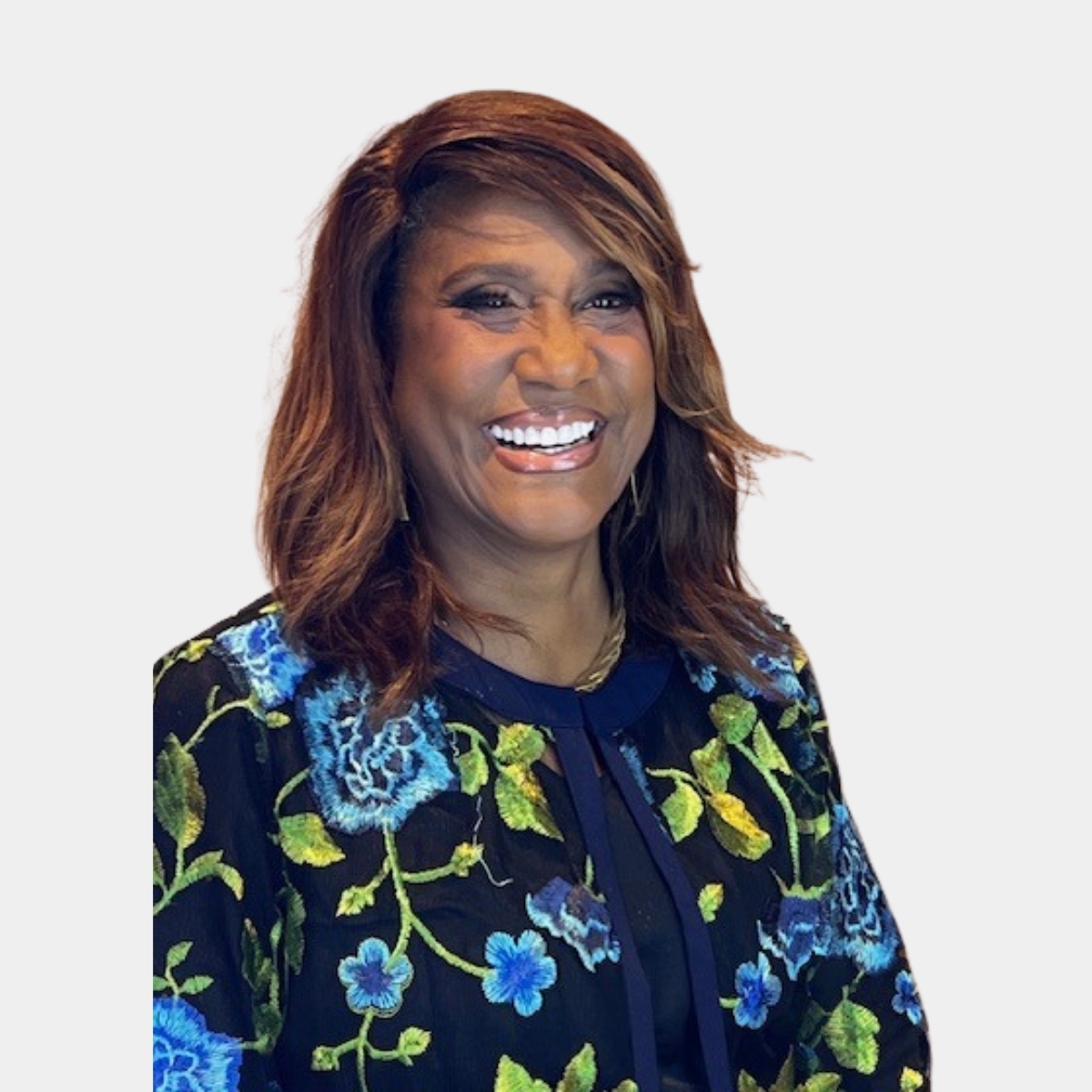
Article by
Franne McNeal
Franne McNeal, President, Significant Business Results LLC is known for helping architecture, engineering and construction firms with $1M-$20M in annual revenue, build scalable, transferable companies that increase in value, reduce owner dependence, and create more options for growth, succession, or sale. She help architects, engineers and construction firms become more valuable, so they don't collapse when the owner steps back. She solves the problems of low margins, inconsistent revenue and pressure to lower prices, by helping clients create a business that is an asset (one that runs without them), based on a proven system 8-pillar framework to increase the value of a business by 71%. Her clients are empowered to move from being indispensable operators to intentional builders of enduring businesses, so they create financial & personal freedom. Franne "FranneTastic" McNeal has helped 886+ small business owners collectively create 15,000 jobs and nearly $11 billion in revenue. She helps clients focus their energy for action to achieve significant business results.