
The Slow Part of Succession Is People, Not Paperwork

Paperwork can transfer ownership, but it cannot transfer judgment. The slow part of succession is people, not paperwork: preparing the next generation to make sound decisions and giving them meaningful responsibilities before authority changes hands. A plan may be documented and still leave the business or its investments dependent on one person.
It is natural to focus first on who will own what. But continuity also depends on who can lead, how decisions will be made, and whether future leaders understand their responsibilities. These conversations take time. Delaying them can put value at risk during a transition.
This article explains why succession extends beyond ownership, suggests a practical question to start the discussion, and explores ways to protect business and investment value as responsibilities shift. The central issue is not simply who inherits, but who is prepared to decide, lead, and act.
Key Takeaways
• Map decision-making authority alongside ownership so operational and investment responsibilities have clear successors.
• Use a direct discussion about who would make key decisions in the founder’s absence to surface gaps in readiness.
• Delegate routine approvals while retaining oversight of decisions that have the greatest effect on client relationships and business value.
• Build succession around a business that can perform without constant owner involvement, supporting a more resilient transition.
Table of Contents
• Succession planning beyond ownership transfer
• A practical question to begin succession discussions
• Protecting business and investment value during transition
• Significant Business Results
Succession planning beyond ownership transfer
Succession planning addresses who will lead, make decisions, and steward investments, not just who will inherit ownership. A family plan should clarify roles, discuss values and governance, prepare successors through active involvement, and update documents as intentions change. Business succession has no single timetable. One owner estimates that transferring judgment takes about eighteen months, so preparation needs to begin before authority is required.
Succession as an Ongoing Process
Succession is an evolving process that prepares people for leadership before and during a transition. Regular family discussions can give the next generation experience with investment decisions, governance forums, and the responsibilities that come with wealth. Families may postpone these conversations because expectations feel difficult to raise or documents create a false sense of completion. Revisiting the plan helps keep intentions aligned with people’s readiness and changing roles.
Employees and Stakeholders in Transition
Employees and stakeholders help preserve operational knowledge, client relationships, and confidence as leadership changes. Their involvement can reveal where decisions depend too heavily on the current owner and where responsibilities need clearer handoffs. Professional advisors can contribute distinct perspectives: wealth management professionals were involved in planning for 67% of respondents, trust and estate attorneys for 66%, and tax advisors or CPAs for 53%. Coordinated conversations help align the family’s intentions with business realities.
Risks of Paperwork-Only Planning
Planning that focuses only on paperwork can record ownership intentions while leaving successors unprepared to act. One warning sign is a founder who cannot identify who would make investment decisions in their absence. Another is a next generation named as beneficiaries but excluded from governance discussions. Families can start with a practical question: “If the founder could not act, who would make the key business and investment decisions, and would everyone understand that responsibility?” The answer can reveal gaps in authority, readiness, and shared expectations before a transition puts continuity at risk.
A practical question to begin succession discussions
Start with a direct question: “If the owner could not make decisions tomorrow, who would decide what happens to the business and its investments?” The answer may reveal unclear authority, conflicting expectations, or a successor who has not yet practiced making those decisions. Ask each family member to describe the role they expect to take on, not just the ownership they expect to receive.
Financial expectations also need open discussion. Among respondents who considered their heirs unprepared, 30% said they had not discussed financial expectations with them. A family can make the conversation more productive by separating three issues: who owns assets, who governs them, and who handles daily business decisions. For example, a beneficiary may inherit an ownership interest without being ready to manage employees or approve investments. Naming that distinction can keep one disagreement from becoming several.
To address disagreements, give each person time to explain their priorities, then identify where interests overlap and where they differ. If one sibling wants to lead operations and another wants a financial return, discuss those outcomes separately before assigning roles. Record what everyone agrees on, which decisions remain open, and who will revisit each issue. Relevant advisors can help clarify how proposed arrangements interact, while the family remains responsible for setting its direction.
Keep the discussion active. Revisit unresolved questions as successors gain experience and responsibilities change. For architecture, engineering, and construction owners, building a business that runs without its owner can make leadership handoffs more workable by reducing dependence on one person’s daily decisions.
Protecting business and investment value during transition
Value is exposed when decisions, client relationships, and investment judgment depend on one owner. One business owner calculated that the company would slow down and deliver worse work if they were sick for three weeks. That scenario offers a practical test: identify which decisions can continue without the owner and which still depend on their personal judgment.
Keep oversight where it matters most, while giving others room to act. One owner retained approval for pricing, difficult client communications, and the first project for a new account. Work below a set value threshold moved forward without approval, then was reviewed and documented together. This approach protects sensitive decisions while giving the team a chance to develop sound judgment.
Treat returned work as evidence, not just a reason to take control back. One owner and their team documented observations from corrected work for about six weeks. The notes clarified expectations and showed where support or process changes could help prevent repeat errors. One Tuesday, the owner had forty-one items waiting in the approval queue. A documented review process can turn that bottleneck into a shared learning cycle.
Transition readiness also depends on making performance visible. Track where approvals wait, which client interactions require owner involvement, and whether investment decisions have an identified successor. These signals show where continuity is strong and where dependence remains. Strengthen your business’s transition readiness by building clear decision pathways before a handoff becomes urgent.
Significant Business Results
Significant Business Results helps architecture, engineering, and construction business owners improve performance, reduce operational risk, and build businesses that can run without them. This work can support succession when the business still relies heavily on its owner for decisions, delivery, or client relationships. The focus is on strengthening the business as an asset, so its leadership responsibilities and operating practices are better positioned to continue through a transition.
For owners preparing to grow, scale, or sell, improving revenue and long-term value can also form part of the transition strategy. The right starting point is the business’s current constraints: where owner involvement is essential, where processes need greater consistency, and which operational risks could affect continuity. Contact Significant Business Results to discuss how to prepare your business for a more resilient transition.
Make the Next Decision Easier
The slow part of succession is people, not paperwork, because confidence in a transition grows through shared responsibility and informed decisions. Make the next step a leadership priority: identify where the business still relies on its owner, then build the capabilities and operating practices that support continuity. Significant Business Results helps architecture, engineering, and construction owners improve revenue, performance, and long-term value while strengthening operational efficiency and reducing risk. It also helps owners build businesses that can run without them. These priorities can support a more deliberate transition and keep attention on the business’s future.
When you’re ready to strengthen the business for its next stage, start a conversation with Significant Business Results. You can move forward with greater clarity, one leadership decision at a time.
Frequently Asked Questions
What does “The Slow Part of Succession Is People, Not Paperwork” mean?
It means ownership documents may be complete before the people involved are ready to carry out the transition. A successor may hold a formal role but lack the confidence, context, or working relationships needed to lead effectively. Knowing who signs an agreement, for example, does not necessarily prepare that person to resolve a difficult client issue or set priorities.
Why do family business succession plans take so long to implement?
Succession decisions often take time because ownership, leadership, and family expectations are connected but not identical. One relative may want operational responsibility, while another prioritizes preserving family assets. Owners may also delay decisions to avoid tension or because they have not settled what they want their own next chapter to involve. Clarifying these distinct interests can show what is holding progress back.
What are the main emotional and relationship challenges in succession planning?
Succession can raise concerns about identity, trust, fairness, and changing family roles. A founder may see delegation as losing influence, while a successor may worry that their authority is only symbolic. Siblings may also compare contributions or perceived recognition. Naming these concerns directly and separating family relationships from business responsibilities can make difficult conversations more specific and constructive.
How should owners choose and prepare a successor?
Choose based on the role’s actual demands, not family position alone. Identify the judgment, relationships, and leadership responsibilities the role requires, then assess candidates against those expectations. Preparation might include a defined project, authority to make bounded decisions, and feedback on the results. For example, a prospective leader could manage a client escalation before taking on broader responsibility.
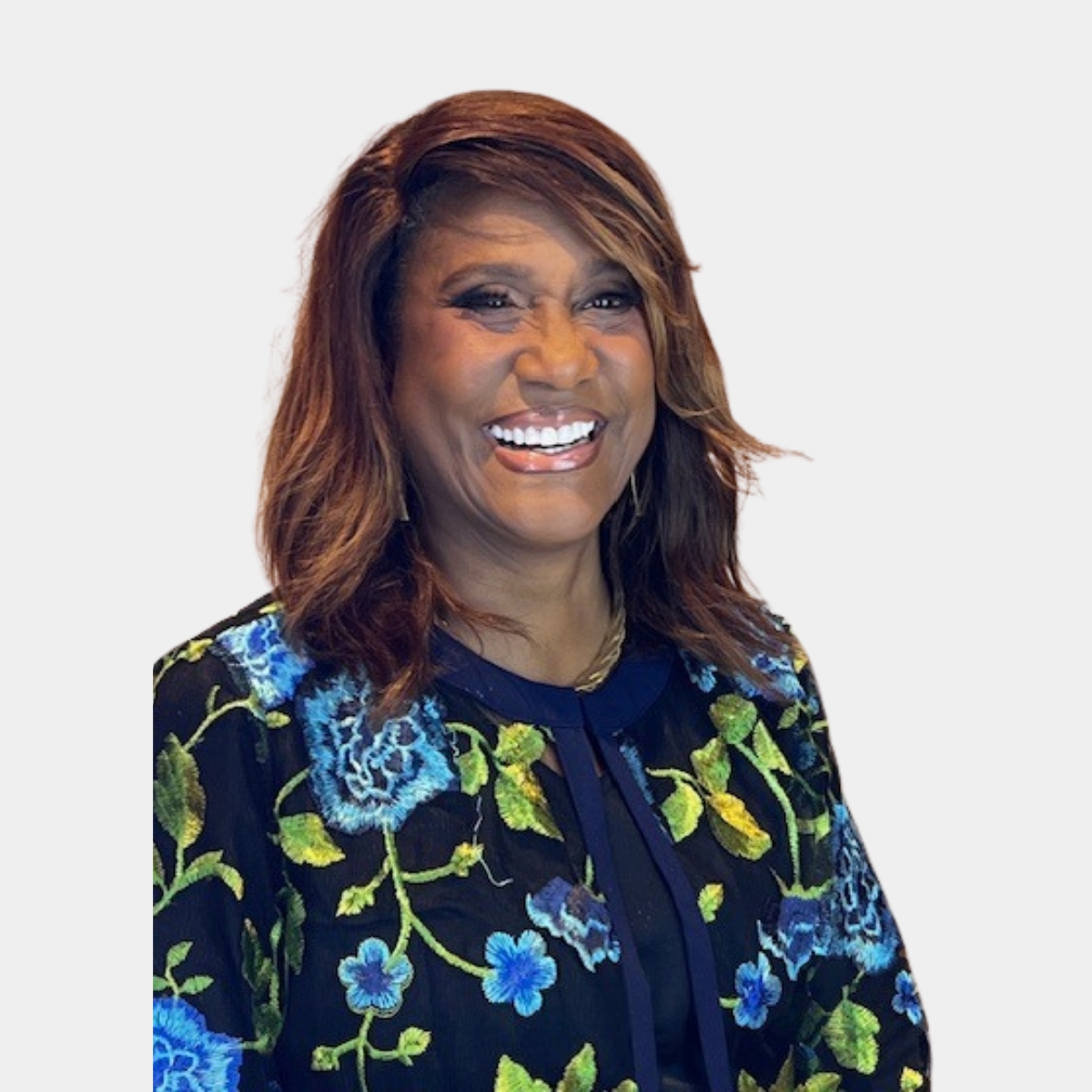
Article by
Franne McNeal
Franne McNeal, President, Significant Business Results LLC is known for helping architecture, engineering and construction firms with $1M-$20M in annual revenue, build scalable, transferable companies that increase in value, reduce owner dependence, and create more options for growth, succession, or sale. She help architects, engineers and construction firms become more valuable, so they don't collapse when the owner steps back. She solves the problems of low margins, inconsistent revenue and pressure to lower prices, by helping clients create a business that is an asset (one that runs without them), based on a proven system 8-pillar framework to increase the value of a business by 71%. Her clients are empowered to move from being indispensable operators to intentional builders of enduring businesses, so they create financial & personal freedom. Franne "FranneTastic" McNeal has helped 886+ small business owners collectively create 15,000 jobs and nearly $11 billion in revenue. She helps clients focus their energy for action to achieve significant business results.