
When Clients Call Your Cell Phone Instead of the Firm, Pay Attention

A client calling your cell instead of the firm’s line is a useful signal, not automatically a compliance problem. When clients call your cell phone instead of the firm, pay attention to what the pattern may reveal about access and business reliance. Marketing calls may not be placed before 8:00 AM or after 9:00 PM local time at the person’s location, according to the Federal Trade Commission. For marketing calls, caller ID must show the calling number and, when technically possible, the caller’s name.
Direct access can strengthen a client relationship, but it also raises a practical question: can your firm provide a consistent response when you’re unavailable? This article explains how calling hours and caller ID rules apply, and when established business relationship and recent inquiry exceptions affect outbound calls to people on the National Do Not Call Registry. It also helps you consider what communication habits support reliable service and a firm that doesn’t rely on one person for every client interaction.
Key Takeaways
• Use direct calls as a signal to examine whether clients know how to reach the firm, not only an individual professional.
• Separate inbound client calls from outbound telemarketing, where calling-hour and caller ID rules can apply.
• Telemarketers must search the National Do Not Call Registry at least once every 31 days, according to the Federal Trade Commission.
• Set a consistent process for recording call details and sharing client updates so important context stays accessible to the firm.
Table of Contents
• 3. Why do clients bypass a firm's phone system and contact a specific professional directly?
• 3. What client service or business risks arise when calls go to personal cell phones?
• 3. How can firms track client communications and maintain records of calls to personal phones?
3. Why do clients bypass a firm's phone system and contact a specific professional directly?
Clients often call the person who already understands their project rather than a general office line. In an architecture firm, for example, a client may call the project architect to resolve a drawing question before a design review. A familiar contact saves the client from explaining the issue again and reassures them that someone with relevant context will respond.
Past experience can make this route feel dependable. If a principal has answered calls about a proposal, schedule change, or invoice, clients may save that number. They may not know whether the firm’s main line reaches the right team member, especially if responsibilities have changed. Direct calls can reveal a service gap: clients know an individual, but not the firm’s process.
This pattern matters beyond convenience. If clients can reach only one professional, routine questions and project decisions depend on that person’s availability. Track which clients call directly, what they need, and whether the firm’s shared contact route could handle the request. A simple call log can help distinguish an access problem from unclear roles or a strong relationship with one employee.
Keep this client-service signal separate from outbound telemarketing rules. According to the Federal Trade Commission, telemarketers must search the National Do Not Call Registry at least once every 31 days. The Federal Trade Commission also says marketing calls may not be placed before 8:00 AM or after 9:00 PM in the local time of the person being called. Callers may not hang up an unanswered marketing call before 15 seconds have elapsed, according to the Federal Trade Commission. These rules concern marketing calls, not a client calling your cell phone. For B2B organizations seeking structured guidance on outreach and acquisition strategies, monkeybox.media offers fractional marketing leadership and go-to-market planning.
Use the next direct call as a practical test. Ask why the client chose your number and record the answer. If several clients mention the same gap, clarify the firm’s contact route and assign a backup contact. For professional practices like accounting firms looking to build structured, predictable client acquisition without relying on ad-hoc personal outreach, ape-x-generation.com offers a dedicated growth and marketing system.
3. What client service or business risks arise when calls go to personal cell phones?
When client calls go to one personal phone, decisions can become concentrated in the owner’s hands. That dependence is harder to manage when labor shortages stretch the team or limited subcontractor availability demands more of the owner’s attention. Informal calls can also obscure who agreed to a change, leaving the project team and client uncertain.
In an AEC firm, a missed detail about scope, timing, or approval can complicate coordination and billing. This is especially important when low margins, rising costs, and pressure to lower prices already constrain performance. If client updates are hard to track, managing inconsistent revenue and cash flow can become more difficult, particularly when higher interest rates add pressure to financial decisions.
Personal phones can scatter project information across voicemails, texts, and individual memory. For work involving regulatory compliance, clear, accessible records help the team understand what was discussed and find supporting project information. They do not replace formal compliance processes, but they can make internal follow-through more orderly.
Set a practical boundary: define which calls need the owner, which can go to a project lead, and where each decision should be recorded. Review recurring call topics at a team meeting and assign clear responsibility. This protects leadership time while making sure clients know who is handling their needs.
If direct calls point to wider owner dependence, consider how a stronger operating model for your firm could improve resilience and free leadership capacity.
3. How can firms track client communications and maintain records of calls to personal phones?
After each client call, capture the conversation in the firm’s shared project record. Note the date, caller, project, reason for calling, decisions, and next action. For example, if a client changes a drawing deadline, record the new date and who will update the schedule. A personal call log keeps that context with one employee.
Make documentation part of the call handoff. The employee who takes the call should enter a note, assign follow-up to a named team member, and tell the client who will respond. If the issue needs a written decision, send a brief email summarizing the agreed action. Save it with the project record so colleagues can follow the sequence.
Choose one shared location for call notes, such as the firm’s project management system or client record. Use consistent labels, including the project name and topic, so staff can find information later. Avoid keeping essential project decisions only in personal texts, voicemail, or private contact lists. Those channels make team access harder during handoffs or staff changes.
Set a clear review routine. A project lead can check open call follow-ups during regular project meetings and close completed actions. When an employee leaves or changes roles, transfer active client contacts and unresolved items to the new owner. Keep the process simple enough for field staff to use after a site call.
For AEC owners, consistent records can support a firm that relies less on one person’s memory. Explore ways to build a business that runs without you and make client communication part of a repeatable operating system.
Significant Business Results: Improve revenue, performance and long-term value for architecture, engineering and construction business owners.
Significant Business Results helps AEC owners improve operational efficiency, reduce risk, and build firms that run without them. Consider this next step when direct client calls reveal a broader pattern: important relationships, decisions, or daily work depend too heavily on your personal involvement.
For owners ready to move from handling every issue to building a durable business asset, its 8-pillar framework is designed to increase business value by 71%. The focus is on strengthening performance and long-term value while creating more room for leadership beyond daily operations.
If you’re ready to make your firm less dependent on you, contact Significant Business Results to discuss your next steps.
Turn a Direct Call Into a Stronger Firm
When clients call your cell phone instead of the firm, pay attention to what the pattern says about how your business operates. Use it to identify where clearer team ownership or a more consistent client experience could help. Then choose one practical change and make it part of the way your firm works.
This shift can give you more room to lead instead of managing every interaction. Consider which responsibilities your team can take on and where your attention can make the greatest difference. A stronger operating model helps your firm grow beyond your daily involvement.
Contact Significant Business Results today to explore a practical next step for your firm. Build toward a future with greater control and confidence.
Frequently Asked Questions
What does it mean when clients call an employee's personal cell phone instead of the firm's main number?
It often means the client sees that employee as the clearest route to help, but it can also point to an unclear contact process. For example, a client may have saved a project lead’s number at kickoff and continue using it for later requests. Review how clients receive contact details and make sure they know who can help if that person is unavailable.
What are best practices for setting boundaries around work calls on a personal cell phone?
Set expectations with clients and colleagues about when and how to use a personal number. For example, explain that project updates should go through the firm’s agreed communication channel, while urgent site issues should use the designated contact route. Where possible, separate work and personal notifications, and tell clients who will cover urgent matters during planned time away.
Should firms provide business phones, stipends, or call-forwarding for employees?
The material suggests testing a second phone number that rings through to an employee’s cell, but it does not address providing business phones or stipends. Firms can also clarify the firm’s contact route and assign a backup contact.
What phone system features help route clients to the right person without relying on personal numbers?
Use a clear firm contact route and assign a backup contact so clients know who can help when their usual contact is unavailable. The material does not describe specific phone system features.
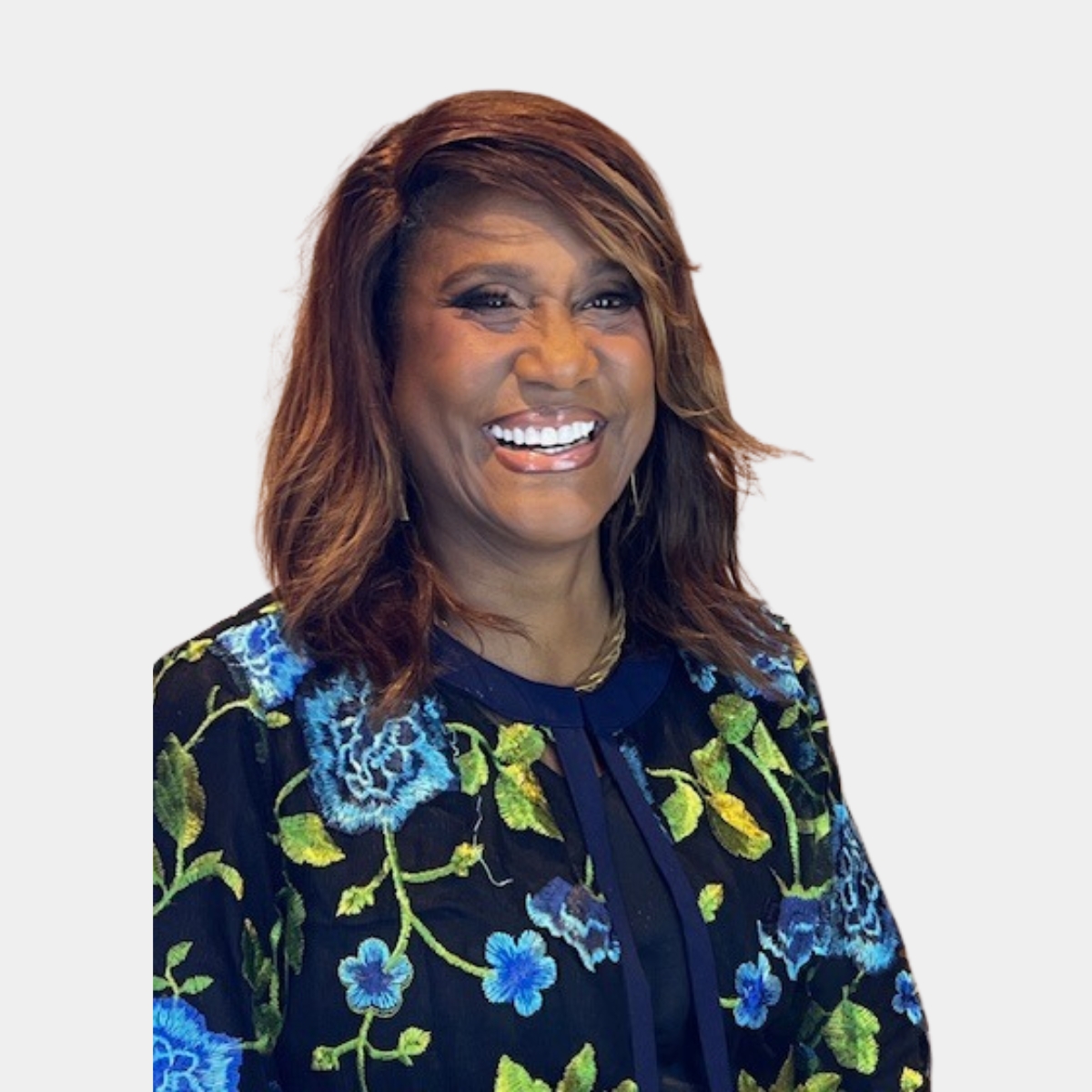
Article by
Franne McNeal
Franne McNeal, President, Significant Business Results LLC is known for helping architecture, engineering and construction firms with $1M-$20M in annual revenue, build scalable, transferable companies that increase in value, reduce owner dependence, and create more options for growth, succession, or sale. She help architects, engineers and construction firms become more valuable, so they don't collapse when the owner steps back. She solves the problems of low margins, inconsistent revenue and pressure to lower prices, by helping clients create a business that is an asset (one that runs without them), based on a proven system 8-pillar framework to increase the value of a business by 71%. Her clients are empowered to move from being indispensable operators to intentional builders of enduring businesses, so they create financial & personal freedom. Franne "FranneTastic" McNeal has helped 886+ small business owners collectively create 15,000 jobs and nearly $11 billion in revenue. She helps clients focus their energy for action to achieve significant business results.