
Why Growing a Firm That Depends on You Makes the Problem Bigger

Growth can intensify the strain on a firm that still relies on its owner for decisions and daily work. That is why growing a firm that depends on you makes the problem bigger: more projects and complexity can send even more demands back to the same person. Growth becomes sustainable when the business develops the leadership and processes to handle that added work.
If expansion has brought more pressure without giving you more control, this article explains why. You’ll learn how to spot dependencies, build team ownership, and design operations around your time. The goal is to shift your attention from solving every daily issue to building a business that can operate with less reliance on you.
Key Takeaways
• Identify the decisions, customer relationships, and critical work that still depend on you to reveal where growth is adding pressure.
• Give leaders clear responsibilities and decision-making authority so the team can solve problems without constant owner approval.
• Protect time for building the business, and treat founder availability as an operating concern rather than a personal scheduling issue.
• Strengthen processes and accountability before expanding further to support more stable performance and a business that can operate without you.
How business growth increases owner workload when structure does not keep pace
In an AEC firm, growth can multiply coordination demands while cost and delivery pressures mount. The owner often becomes the point where project, staffing, and financial decisions converge.
Workload Growth Outpacing Structure
Workload outpaces structure when new projects arrive without matching capacity, clear ownership, or reliable planning. Rising costs and high interest rates can make project choices and cash timing more demanding. Labor shortages and limited subcontract availability can also complicate schedules, leaving owners to find coverage and reset client expectations. Map these pressures across active projects, then identify where one decision-maker is handling too many exceptions.
Founder Dependency and Business Disruption
Founder dependency grows when operational pressure leads employees and clients to rely on the owner to resolve every disruption. A delayed subcontract, an unexpected staffing gap, or a cash-flow concern can quickly draw the founder into daily coordination. Regulatory compliance also requires consistent attention and clear responsibility. If one person holds the context for these issues, their absence can leave the team uncertain about priorities and next steps.
Redesigning Responsibilities and Processes
Redesigning responsibilities means assigning ownership for recurring project and business decisions, not simply asking the team to do more. Give project leads a clear process for flagging schedule risks, tracking payment milestones, and escalating compliance questions to the person responsible. Set regular reviews of staffing capacity, subcontract commitments, and cash needs. These routines help the business respond to pressure without making the owner the default coordinator for every project change.
Leadership, accountability, and team ownership
Leadership reduces owner dependence when people understand priorities, make decisions, and take responsibility for results. That structure supports sustainable growth while giving owners more room for strategic work. Understanding why growing a firm that depends on you makes the problem bigger starts with noticing which decisions still flow through you.
Owner Dependence and Earnings Quality
Earnings quality reflects how reliably a business can produce results without relying heavily on its owner. Consider two firms, each with $12 million in revenue and $2 million in earnings before interest, taxes, depreciation, and amortization, a measure of operating performance. Both have a 16.7% margin on that measure. Yet owner involvement in customer relationships or approvals can make results harder to sustain. Clarify who manages key accounts, pricing decisions, and delivery issues, then assess whether the team truly owns those responsibilities.
Timeframes for Reducing Dependency
Reducing owner dependence means building new leadership habits and routines, then giving them time to take hold. Structural changes can be identified and begun within 30 days, while fully embedding them typically takes between three and twelve months. Use the first phase to assign clear decision authority, define measurable priorities, and establish a regular review rhythm. Coach leaders through real decisions instead of reclaiming control when execution feels unfamiliar.
Employee Autonomy and Retention
Owner dependence limits employee autonomy when staff must seek approval for decisions within their roles. Capable people may feel responsible for outcomes without having the authority to shape them, weakening ownership and making retention harder. In an AEC firm, let a project leader manage client updates within agreed boundaries, then review results using shared measures. This shows why growing a firm that depends on you makes the problem bigger: responsibility without authority can frustrate people expected to support growth. Develop leaders who solve problems, improve processes, and protect customer relationships, rather than simply completing assigned tasks.
For owners ready to strengthen accountability and operational efficiency, explore strategic support for AEC business owners.
Founder time as part of the operating system
Founder time shapes how an AEC firm makes decisions, solves problems, and develops capable employees. Treat your calendar as an operating tool: reserve time for strategic planning, leadership conversations, and performance reviews. If client calls and project approvals consume every open block, daily operations are setting the company’s priorities instead of its leadership team.
Start with a weekly calendar review. Note each interruption and its cause, such as a client escalation, staffing decision, or project change. Then decide which issues require your judgment and which someone else can handle using clear guidelines. For example, a project manager can resolve routine schedule conflicts while you focus on a client relationship that needs your involvement.
Make knowledge transferable before an unexpected absence exposes a gap. Ask a capable employee to lead a project meeting, prepare a client update, or explain how a key decision is made. Record the steps and context they need. When an unexpected issue arises, the team can use that shared knowledge to act instead of waiting for the founder to return and explain what to do.
Test your operating model against growth: if the firm doubled over the next three years, which founder-dependent decisions would break first? Use your answer to set priorities for delegation, training, and process improvements. Founder time then becomes a deliberate part of how the business functions, rather than whatever time remains after operations demand attention.
Build a business that can operate without your constant involvement by aligning founder time with leadership and long-term performance.
Significant Business Results: Improve revenue, performance and long-term value for architecture, engineering and construction business owners.
Significant Business Results helps architecture, engineering, and construction owners improve operational efficiency, reduce risk, and build businesses that run without them. This can be a useful next step when the team still relies heavily on the owner or growth has not translated into stronger performance and long-term value.
Its 8-pillar framework is designed to help turn a founder-dependent firm into a self-sustaining business asset, with the stated aim of increasing business value by 71%. The focus is not simply on adding more work. It is on building the structure and leadership needed for enduring performance.
Contact Significant Business Results to discuss building a business that operates with less dependence on you.
Make your next stage less dependent on you
Recognizing why growing a firm that depends on you makes the problem bigger is a starting point. Lasting change comes from designing work around the business you intend to lead, rather than reacting to every demand that arrives today. Choose one recurring decision to assign clearly to a team role, then protect time to guide the company’s direction.
Significant Business Results helps AEC owners improve revenue, performance, and long-term value while strengthening operational efficiency and reducing risk. The firm helps owners build businesses that can run without their constant involvement. This can be a useful next step when you’re ready to turn daily operational pressure into a more durable business asset.
Explore a path to a stronger, more independent business, and keep building toward a company that creates value beyond your personal involvement.
Frequently Asked Questions
How Long Does It Take to Get Out of the Business Trap?
The first structural changes can be identified and begun within 30 days, while fully embedding them typically takes between three and twelve months. Start by listing decisions that delay work, then assign ownership and agree how results will be reviewed. The transition takes sustained practice: leaders need room to make decisions, learn from outcomes, and adjust routines.
How do I stop being the bottleneck in my business?
Stop routing every decision through yourself by setting clear decision boundaries. For example, define which project changes a project lead can approve, which need a client discussion, and which require your judgment. Then review a small set of outcomes regularly. If decisions stall, clarify authority or provide missing information instead of taking the task back.
What Is Owner Dependence?
Owner dependence is a business’s reliance on its owner to keep important work moving. Look for practical signs: employees wait for the owner before sending proposals, client history sits in personal inboxes, or only the owner knows how work is priced. These gaps reveal where knowledge and authority need to be accessible across the business.
Why does my business feel harder to run as it grows?
Growth adds coordination demands alongside the work itself. More active projects can mean competing needs for staffing, client communication, scheduling, and cash flow. If each new commitment relies on the same informal handoffs, decisions pile up and interruptions multiply. Compare how work is planned and tracked across projects; inconsistent methods often create avoidable friction as activity expands.
What does it mean when a business depends too heavily on its owner?
Owner dependence means essential relationships, knowledge, or decisions remain concentrated with one person, leaving others unable to act confidently. For example, a client may call only the owner to resolve a scope concern, even though a project lead manages delivery. The issue is not the owner’s expertise; it is whether the company can benefit from it without requiring the owner to handle every interaction.
Article by
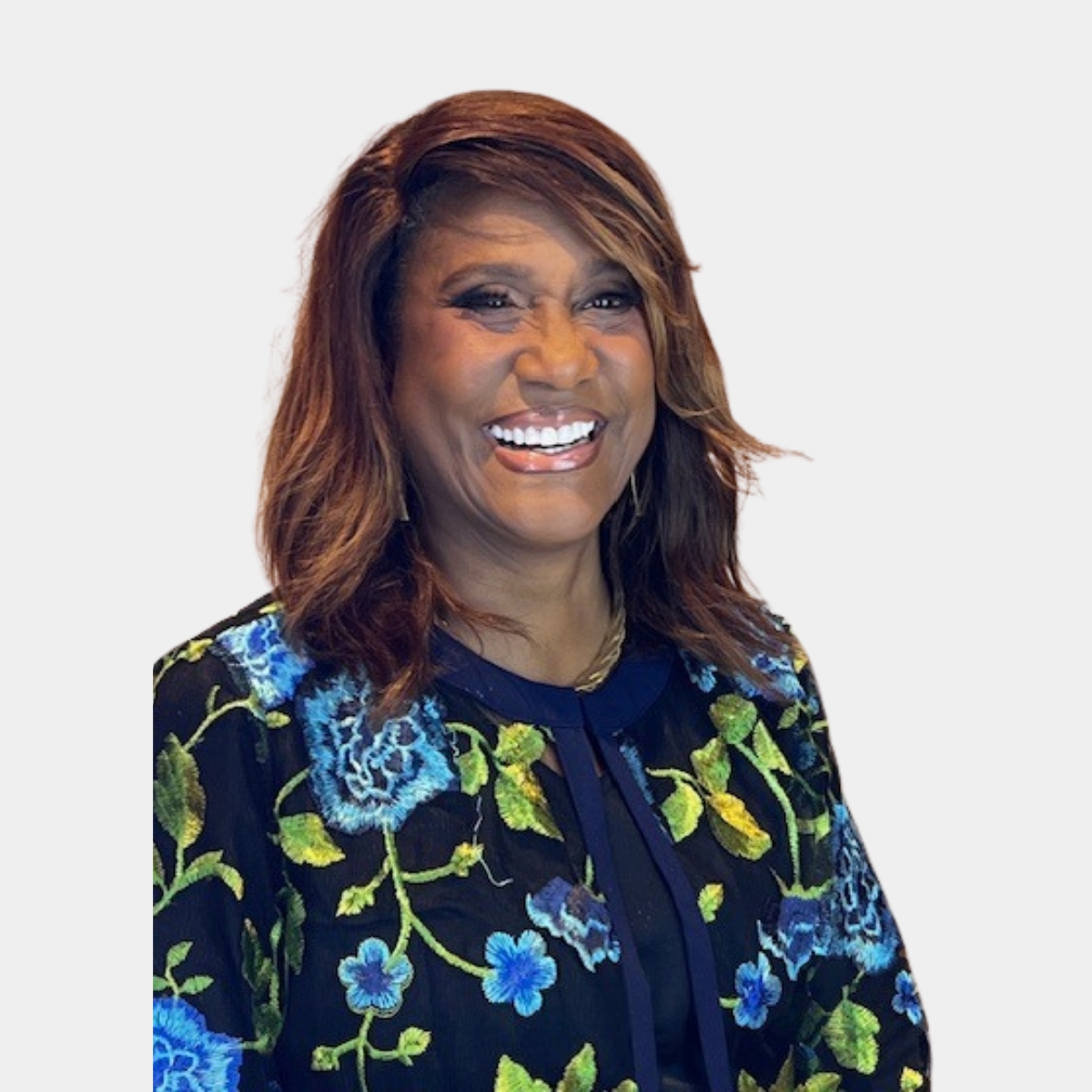
Franne McNeal
Franne McNeal, President, Significant Business Results LLC is known for helping architecture, engineering and construction firms with $1M-$20M in annual revenue, build scalable, transferable companies that increase in value, reduce owner dependence, and create more options for growth, succession, or sale. She help architects, engineers and construction firms become more valuable, so they don't collapse when the owner steps back. She solves the problems of low margins, inconsistent revenue and pressure to lower prices, by helping clients create a business that is an asset (one that runs without them), based on a proven system 8-pillar framework to increase the value of a business by 71%. Her clients are empowered to move from being indispensable operators to intentional builders of enduring businesses, so they create financial & personal freedom. Franne "FranneTastic" McNeal has helped 886+ small business owners collectively create 15,000 jobs and nearly $11 billion in revenue. She helps clients focus their energy for action to achieve significant business results.