
Why You Hired a Business Development Person and You're Still Buried.

Hiring a business development person won’t automatically ease the pressure on an architecture, engineering, or construction firm. If you’re wondering why you hired a business development person and you’re still buried, the role may not match the firm’s needs, expectations may be unclear, or decisions may still depend on you. A new hire can’t create capacity without a clear path to contribute.
It’s reasonable to expect the role to support growth and reduce your daily load. Start by defining what success means for your firm, then assess whether candidates can build trust, learn from setbacks, and work effectively with your team. Use clear responsibilities to distinguish business development from sales, and prepare interviewers to evaluate candidates consistently. That makes it more likely your hiring decision supports durable growth.
Key Takeaways
• Assess candidates through role-specific questions that reveal how they build trust, handle setbacks, and stay motivated.
• Set clear ownership for business development so important work doesn’t default back to you.
• Separate relationship-building and opportunity development from sales responsibilities to identify the capabilities your firm needs.
• Use stronger role clarity as a step toward more consistent growth and a business that depends less on your daily involvement.
Table of Contents
• Evaluating soft skills and motivation
• 3. What responsibilities should a business development representative own?
• 3. How do sales and business development roles differ?
Evaluating soft skills and motivation
Assess a candidate’s listening, curiosity, resilience, and follow-through through examples from their work. Ask how they handled a client conversation that stalled, what they learned, and what they did next. A strong answer shows how they respond to setbacks and build trust, rather than simply claiming to be “good with people.”
Technology also changes the skills this role needs. In conversations with talent acquisition leaders, candidate use of AI accounted for about 80% of the pull toward in-person interviews. Don’t treat polished answers as proof of ability. Give candidates an AEC client scenario and ask how they’d use technology, check details, and explain their own judgment.
Hire sales operations support when records, reporting, and follow-up need consistent management. Choose an executive assistant when scheduling, inbox tasks, and administration are crowding out your decisions, or consider specialized external support like Yellow Rose Consultants to streamline business development and daily administrative workflows.
Track how many potential clients become qualified opportunities, how many proposals lead to work, and how long decisions take. Reviewing these measures regularly can show where opportunities stall and whether your revenue is becoming more consistent.
Delegate follow-up by assigning each prospect an owner, defining what details to record, and specifying when to involve you. Give the hire clear questions to assess project fit, client needs, timing, and next steps. Ask candidates how they would prioritize opportunities when labor is limited, cash flow is tight, revenue is uneven, interest rates are high, or compliance demands staff time.
Cover your services, ideal projects, client history, and record-keeping tools during onboarding. Have the new hire observe client meetings, practice follow-up, and review early opportunities with you. Schedule regular feedback to help them build judgment as your firm’s priorities and technology change.
What responsibilities should a business development representative own?
Give the representative ownership of defined growth responsibilities, not every task that involves a client. In an architecture firm, that might mean identifying prospective clients, learning about their upcoming projects, and arranging a conversation with the right decision-maker. In an engineering firm, it could mean building relationships with referral partners and tracking opportunities that fit the firm’s expertise.
Set a clear boundary: the representative creates and advances suitable opportunities, while technical leaders assess project scope and delivery risk. The representative can research target accounts, prepare for introductory meetings, record client needs, and agree on a next step. For example, after learning that a developer is planning a project, they can connect them with the principal best suited to discuss the work.
Include market intelligence in the role. Ask the representative to summarize recurring client concerns, such as pressure to reduce fees, limited subcontractor availability, or rising project costs. Share these patterns with leadership to refine the firm’s positioning and decide which opportunities support healthy margins. The representative shouldn’t promise a price, schedule, or technical approach without appropriate internal input.
Set a written handoff process that specifies what information accompanies an opportunity, who accepts it, and how the client hears back. The representative can coordinate proposal follow-up and maintain relationships with past clients, while project leaders remain responsible for technical commitments. This keeps promising conversations from depending on your memory or inbox.
When business development duties reveal broader gaps in ownership and operations, consider a growth plan for a more self-sustaining AEC business. Clear roles help turn individual effort into a repeatable process.
3. How do sales and business development roles differ?
Business development creates and develops opportunities; sales turns qualified opportunities into agreements. At an engineering firm, business development might involve building relationships with developers and learning about upcoming projects. Sales then guides a suitable prospect through scope discussions, proposal decisions, and agreement details. In a smaller firm, one person may handle both functions, but the responsibilities still need clear boundaries.
Think of the work as two connected stages. Business development looks outward: it identifies promising client groups, strengthens referral relationships, and opens relevant conversations. Sales works with specific prospects to clarify needs, coordinate technical input, present a proposal, and follow through on decisions. For example, a prospect considering a building renovation may first meet the firm through a referral, then discuss project scope with its principal.
Define handoffs before hiring. Specify what makes a lead suitable, what information must be recorded, and who owns the next client communication. Business development can document the client’s goals, project type, decision process, and concerns about fees. Sales or a technical leader can then determine whether the work fits the firm’s capacity, expertise, and margin requirements. This prevents a promising introduction from becoming an unqualified commitment.
Review each role against outcomes it can influence. Business development should build relevant relationships and move suitable prospects toward meaningful conversations. Sales should advance qualified opportunities and bring clear proposals to decisions. If the owner still handles every introduction, follow-up, and proposal conversation, the distinction exists only on paper. Clarify ownership and build a repeatable growth process with strategic support for your AEC business.
Significant Business Results: Improve revenue, performance and long-term value for architecture, engineering and construction business owners.
Significant Business Results helps architecture, engineering, and construction owners improve revenue, performance, and long-term value. Consider this support when hiring a business development person hasn’t reduced your operational load, or when growth still depends on your personal involvement in every opportunity.
The focus is on improving operational efficiency, reducing risk, and building a business that can run without you. Its 8-pillar framework is intended to increase business value by 71% while supporting a more self-sustaining company.
Contact Significant Business Results to discuss building a business that depends less on your daily involvement.
Build a business that moves forward without you
Asking why you hired a business development person and you’re still buried points to a broader leadership question: what should no longer depend on your attention? For an AEC owner, the next step is to turn the answer into clear responsibilities and consistent decisions, building a business that can create value beyond the founder’s daily effort.
Significant Business Results works with architecture, engineering, and construction owners to improve revenue, performance, and long-term value, strengthen operational efficiency, and build businesses that run without them. The goal is not simply to fill a role, but to build a stronger business asset and create more room for leadership beyond daily operations.
Explore how to build a more self-sustaining AEC business, and take the next step with greater clarity and confidence.
Frequently Asked Questions
Why is a business development hire not reducing the founder's workload?
A business development hire may not reduce your workload if routine decisions still require your approval. If you’re wondering why you hired a business development person and you’re still buried, check whether the hire can manage routine client communication independently. If every introductory email needs your review, for example, the role adds coordination instead of capacity. Set clear decision limits so work can move forward without constant founder review.
What are common signs a business development hire is a poor fit?
A poor fit may pursue opportunities that don’t match your firm’s strengths, ignore agreed priorities, or fail to raise concerns early. If you’re asking why you hired a business development person and you’re still buried, the role may be mismatched if the hire repeatedly promises work your delivery team can’t support. Review specific situations, clarify expectations, and distinguish a coaching need from a role-fit issue.
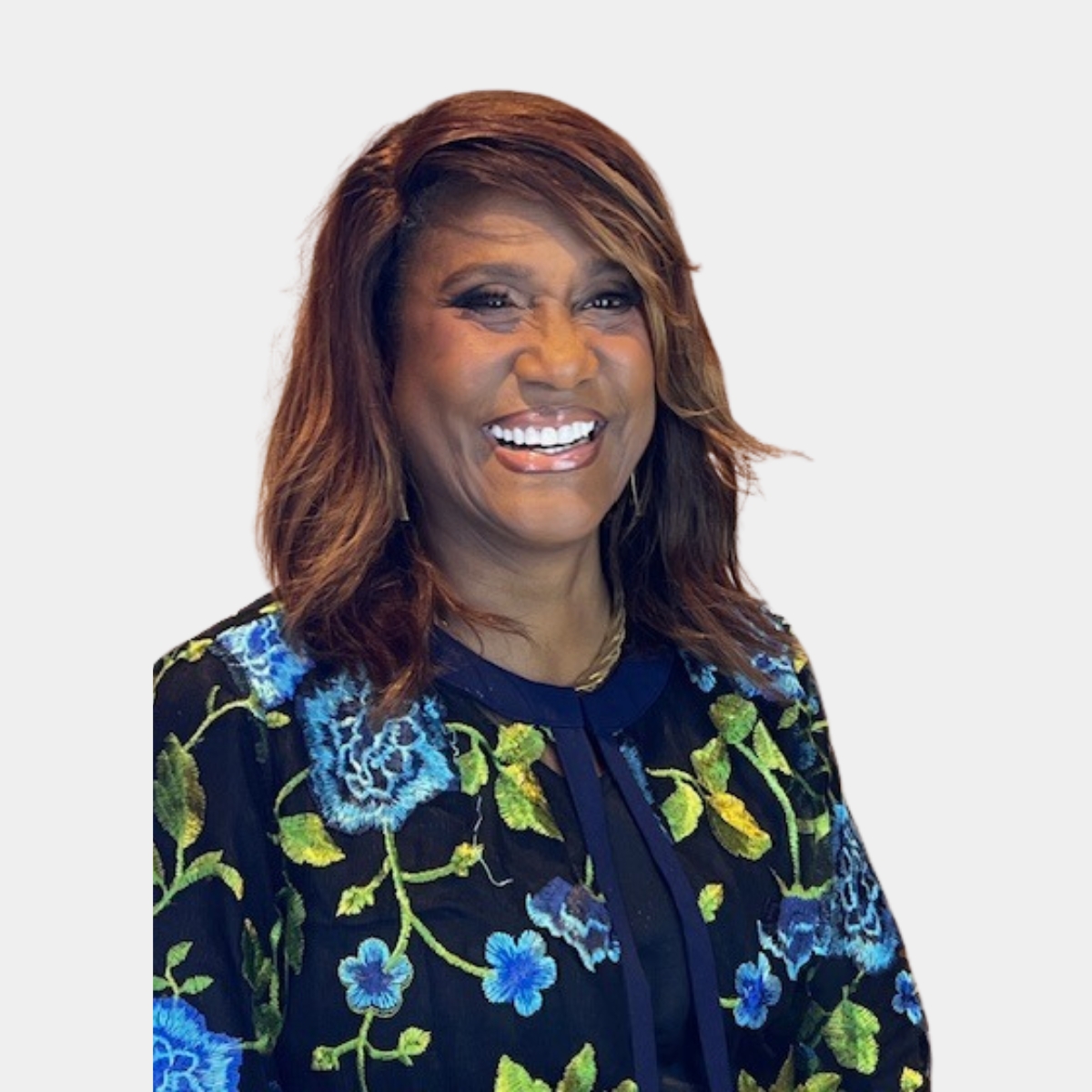
Article by
Franne McNeal
Franne McNeal, President, Significant Business Results LLC is known for helping architecture, engineering and construction firms with $1M-$20M in annual revenue, build scalable, transferable companies that increase in value, reduce owner dependence, and create more options for growth, succession, or sale. She help architects, engineers and construction firms become more valuable, so they don't collapse when the owner steps back. She solves the problems of low margins, inconsistent revenue and pressure to lower prices, by helping clients create a business that is an asset (one that runs without them), based on a proven system 8-pillar framework to increase the value of a business by 71%. Her clients are empowered to move from being indispensable operators to intentional builders of enduring businesses, so they create financial & personal freedom. Franne "FranneTastic" McNeal has helped 886+ small business owners collectively create 15,000 jobs and nearly $11 billion in revenue. She helps clients focus their energy for action to achieve significant business results.