
Why Your Surety Won't Raise Your Bonding Line

What if a stronger project pipeline isn’t enough to earn a higher bonding line? Your limit can keep your firm from pursuing work it’s ready to take on, while the surety’s reasons for holding steady may feel difficult to pin down. Why Your Surety Won't Raise Your Bonding Line may have less to do with the size of the opportunity than with how clearly your firm demonstrates its ability to finance and deliver the work.
That can be frustrating when cash flow is tight, workloads shift, and you’re already managing pressure on margins and staff. This article explains factors that may shape a surety’s decision and outlines practical ways to improve financial reporting, project visibility, and management depth. You’ll also consider how stronger business systems can help your AEC firm grow with greater resilience, reduce reliance on your daily involvement, and build lasting value beyond the next project opportunity.
Key Takeaways
• Understand how single-job and aggregate limits differ, and why a surety may consider more than the project you want to pursue.
• Why Your Surety Won't Raise Your Bonding Line may come down to financial information, workload, project experience, or documentation. Identify which areas your firm can clarify and improve.
• Strengthen underwriting conversations by organizing current financial information, reviewing active workload, and tracking project performance consistently.
• Build management systems and leadership depth that reduce reliance on the owner, improving business resilience regardless of the surety’s decision.
Table of Contents
• Why Your Surety May Not Raise Your Bonding Line
• How to Address the Business Issues Behind a Stalled Bonding Line
• Build a Stronger AEC Business While Bonding Capacity Develops
Why Your Surety May Not Raise Your Bonding Line
A bonding line is the amount of bonded work a surety is willing to support for your firm. It usually has two dimensions: the single-job limit, which relates to the size of one project, and the aggregate limit, which relates to the total bonded work your company can manage at once. The single-job limit concerns one project; the aggregate limit concerns your bonded workload overall.
That distinction helps explain why a firm may appear ready for a larger opportunity but still face a limit. A larger request alone doesn’t demonstrate that the business can finance and deliver the work while managing its existing commitments. A surety’s decision is independent, and no single metric guarantees approval.
What might the surety be assessing beyond the requested limit?
Financial statements and available cash offer clues about the firm’s ability to support work, but they aren’t a universal approval formula. The surety may also consider whether reported results align with current operations. For example, strong revenue can tell an incomplete story if cash is tied up in receivables or project costs are difficult to track.
Workload matters too. Several active projects can draw on the same managers, crews, and cash resources. A technically complex project may require experience and oversight that differ from the firm’s usual work. The question is not only whether the company has completed similar projects, but whether it can handle the new work alongside current commitments.
Documentation connects these factors. If financial reports, project updates, and explanations of major changes are inconsistent, it may be harder to see how the business is performing. Digital site documentation tools like GoBuid can streamline daily reporting so leadership can clearly describe each project’s status, expected costs, and emerging risks. This operating visibility helps reveal where the firm is strong and where capacity may be stretched. It also gives you a clearer starting point for understanding Why Your Surety Won't Raise Your Bonding Line and deciding what to improve within your control.
How to Address the Business Issues Behind a Stalled Bonding Line
A productive review starts with current information, then examines the operating pressures behind it. Low margins, inconsistent revenue, and pressure to lower prices can leave less room to absorb rising costs or high interest expenses. The goal isn’t to force a surety decision. It’s to see where the business is under strain and choose improvements within your control.
Organize financial information.
Assemble current statements and cash-flow details. Identify how delayed payments, rising borrowing costs, or price concessions affect available cash and project profitability. Note material changes and explain how the firm is responding.
Review active work.
Compare project commitments with available staff and subcontract support. Labor shortages or limited subcontract availability may affect schedules and the capacity to take on additional work. Track each project’s status, expected costs, schedule changes, and risks, and keep relevant compliance records organized.
Identify operating gaps.
Look for recurring problems behind squeezed margins or missed forecasts. Decide who is responsible for tracking project updates, raising concerns, and following through. A consistent process can help leaders address issues earlier instead of relying on last-minute intervention.
Which practical steps can strengthen the next underwriting conversation?
Use accurate, current financial and work-in-progress information to explain significant changes, risks, and actions taken. Assess whether project selection, cash flow, staffing, or compliance processes are creating avoidable strain. These improvements can make the business easier to understand, but they don’t guarantee a higher limit or approval.
Our comprehensive diagnostic assessment offers a broader business evaluation, not a surety assessment. It can help you consider improvement priorities beyond the next bond request. Explore business-building support for AEC owners through Significant Business Results as you plan practical steps for a more resilient operation.
Build a Stronger AEC Business While Bonding Capacity Develops
Your firm can improve its operations, but it can’t control the surety’s independent underwriting decision. Continue the surety conversation with clear, current information while strengthening the business for future projects.
Establish dependable project reviews, clarify decision ownership, and develop managers who can lead without routing every issue through the owner. A regular reporting rhythm and assigned responsibilities can surface schedule or cost concerns earlier.
How can long-term business-building support greater readiness?
Readiness means delivering consistently, managing risk, and maintaining continuity as the firm grows. Stronger systems and leadership depth can reduce owner dependence, support stable performance, and build long-term business value. None of these improvements promises a larger bonding line or bond approval.
Business coaching can help owners address these organizational priorities, but it is business advisory support, not a way to secure a surety decision. AEC coaching and consulting can support stronger management practices, clearer leadership, and more dependable systems. Explore business-building support for AEC owners as part of that longer-term work.
Build the Firm You Want to Lead
Use the next planning cycle to choose an improvement that will matter whether bonding capacity changes or not: clarify decision ownership, create a consistent leadership rhythm, or strengthen project-performance measurement. This shifts the firm from solving every daily issue to operating with less dependence on you.
If the question Why Your Surety Won't Raise Your Bonding Line exposes a broader need to improve the business, strategic coaching can help you set priorities and sustain progress. Significant Business Results brings more than three decades of experience; its Value Builder System methodology is associated with firm valuation increases of up to 71%, though results vary and are not guaranteed.
Explore strategic coaching for AEC business owners and take a deliberate step toward a stronger, more resilient firm.
Frequently Asked Questions
Why would a surety deny a bond if my company is within its bonding line?
A bonding line isn’t blanket approval for every contract. A surety may review the specific project, your other commitments, and the information available at the time. Work that overlaps demanding projects or falls outside your team’s established experience may affect the decision.
What is the difference between a single-job limit and an aggregate bonding limit?
The single-job limit concerns one contract; the aggregate limit concerns your company’s total bonded commitments. A project may fit within the first limit but still be difficult to support alongside existing obligations.
Can improving my company’s financial reporting help with a bonding-line review?
Yes. Clear, timely records make it easier to understand what changed and why. Documenting shifts in expected project costs and updating forecasts keeps the financial picture connected to current operations, but does not guarantee an increased limit or bond approval.
How long does it take to increase a contractor’s bonding capacity?
There’s no reliable fixed timeline. The pace depends on your company’s circumstances, needed improvements, and the surety’s independent review. Quick changes may improve visibility, while demonstrating sustained operating progress takes longer. Measure progress in consistent execution, not only in a bonding decision.
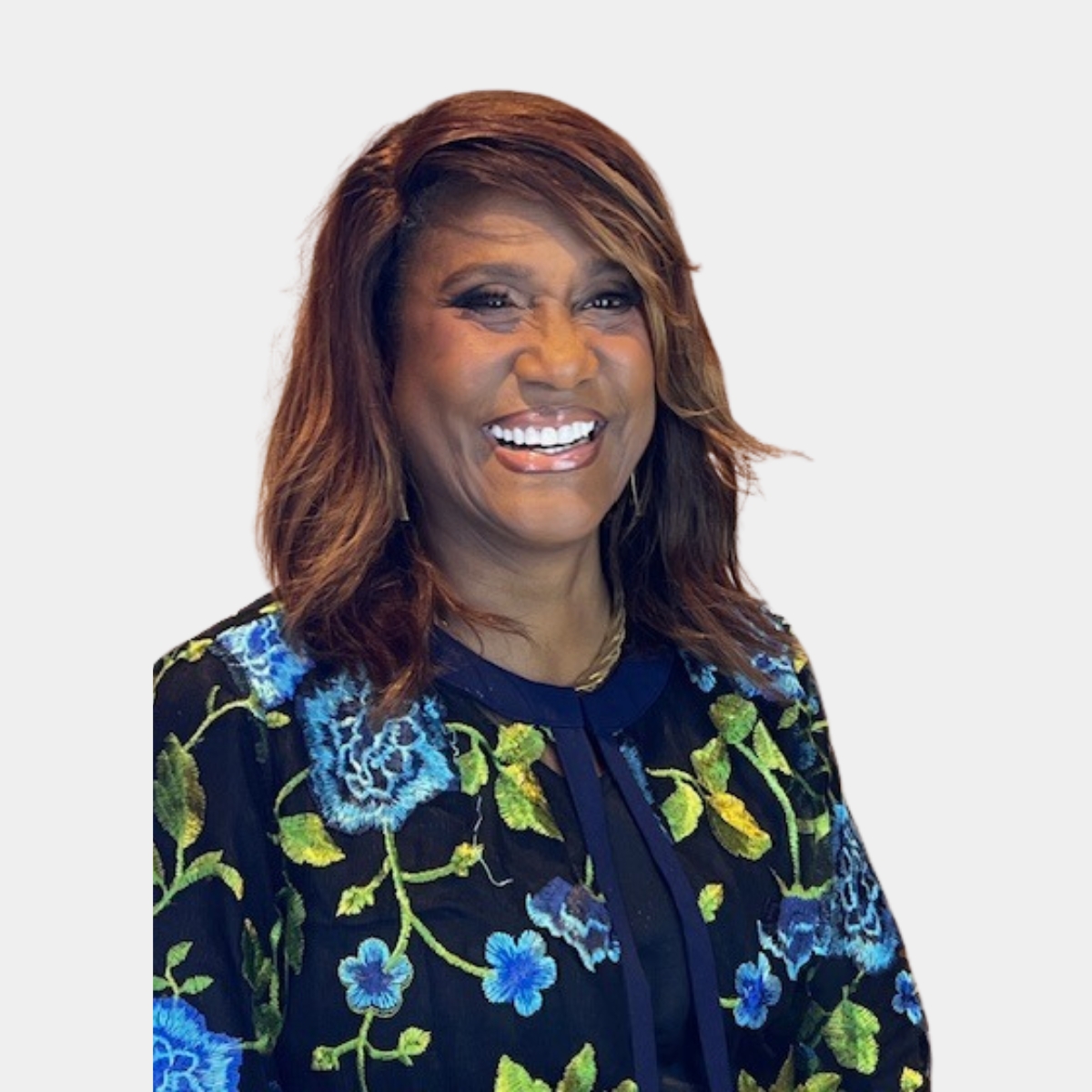
Article by
Franne McNeal
Franne McNeal, President, Significant Business Results LLC is known for helping architecture, engineering and construction firms with $1M-$20M in annual revenue, build scalable, transferable companies that increase in value, reduce owner dependence, and create more options for growth, succession, or sale. She help architects, engineers and construction firms become more valuable, so they don't collapse when the owner steps back. She solves the problems of low margins, inconsistent revenue and pressure to lower prices, by helping clients create a business that is an asset (one that runs without them), based on a proven system 8-pillar framework to increase the value of a business by 71%. Her clients are empowered to move from being indispensable operators to intentional builders of enduring businesses, so they create financial & personal freedom. Franne "FranneTastic" McNeal has helped 886+ small business owners collectively create 15,000 jobs and nearly $11 billion in revenue. She helps clients focus their energy for action to achieve significant business results.